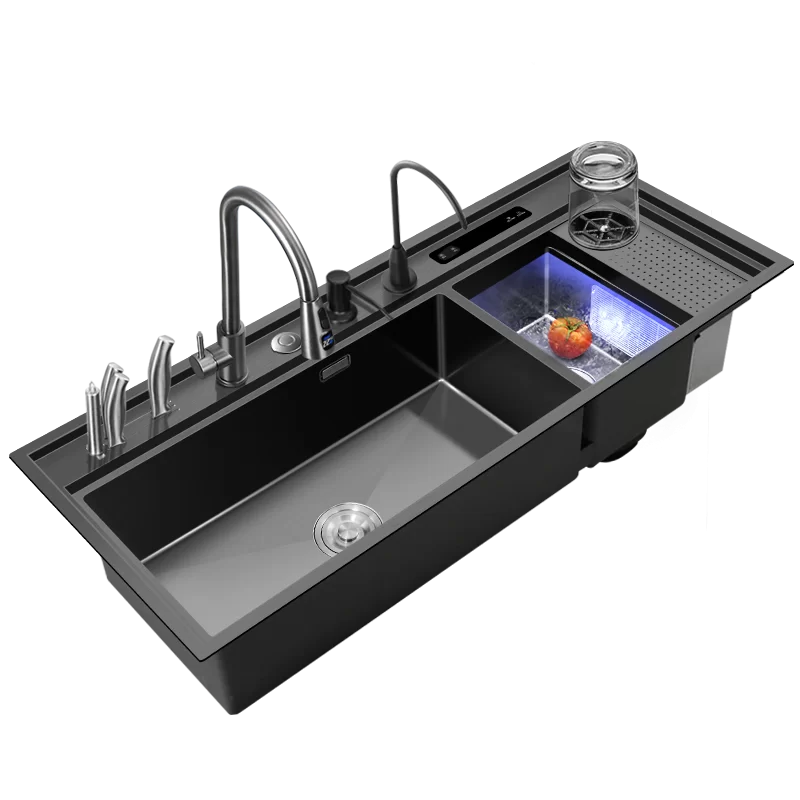
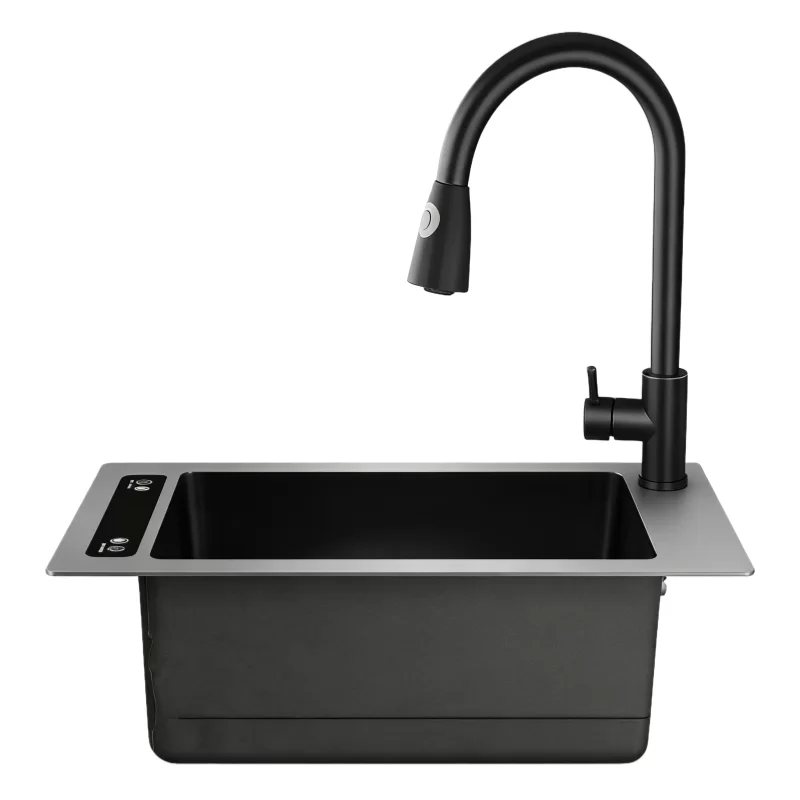
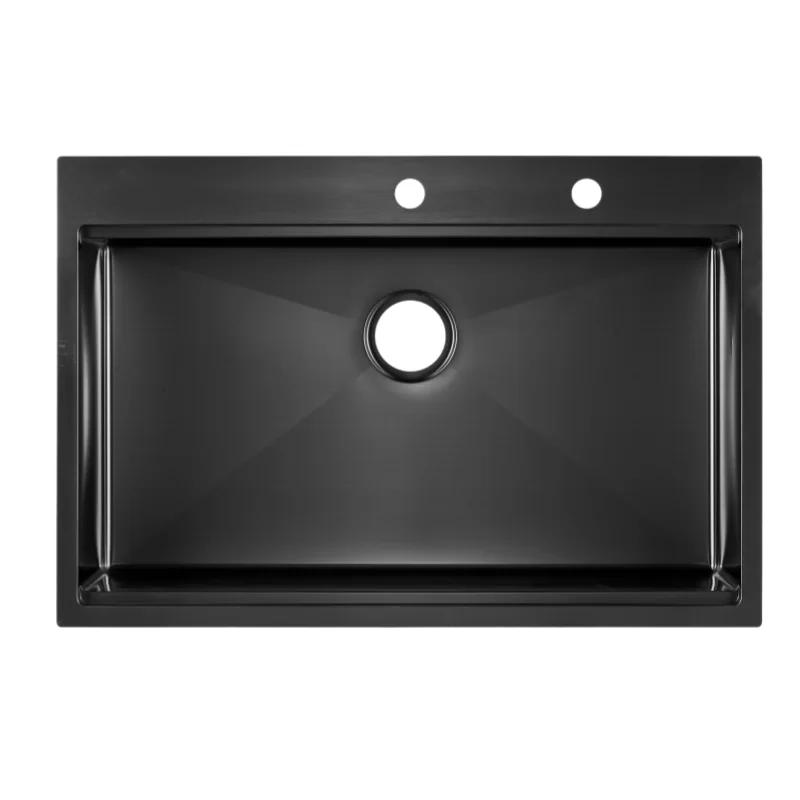
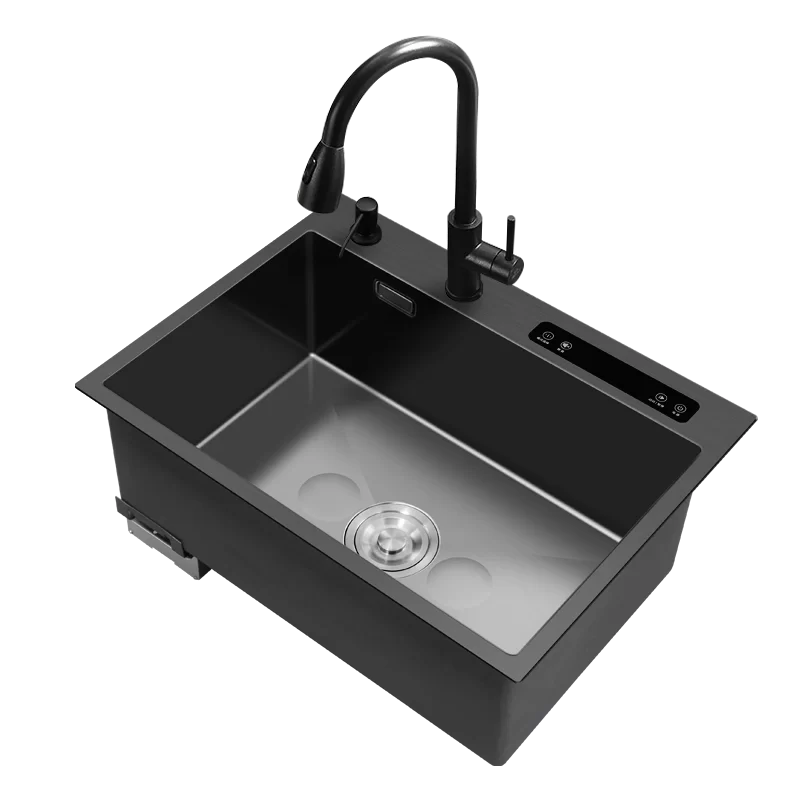
Understanding Stainless Steel Sink Manufacturers: An Industry Overview
Stainless steel sinks might seem like a simple kitchen staple, but the manufacturers behind them play a crucial global role. These producers design and build durable, hygienic, and versatile sinks used in homes, commercial kitchens, hospitals, and industrial settings worldwide. In an increasingly health-conscious and sustainability-focused world, understanding the key players and technology behind stainless steel sinks not only informs consumer choices but also reflects broader trends in manufacturing and material science.
Introduction: Stainless Steel Sink Manufacturers on the Global Stage
Whether it’s a bustling restaurant in New York or a remote clinic in East Africa, stainless steel sinks are everywhere. The global stainless steel market is projected to reach nearly $130 billion by 2027, driven in part by demand for kitchen and sanitary equipment (Statista). Manufacturers of stainless steel sinks must meet stringent international standards—think ISO 9001 quality-management certifications—while addressing challenges like resource efficiency and supply chain complexity. It’s no surprise these manufacturers are increasingly embracing innovation to stay competitive and meet diverse market needs.
Yet, a common challenge remains: balancing cost, quality, and environmental responsibility in a sector where corrosion resistance and hygiene are critical. That’s where the expertise and capabilities of stainless steel sink manufacturers truly matter.
What Are Stainless Steel Sink Manufacturers?
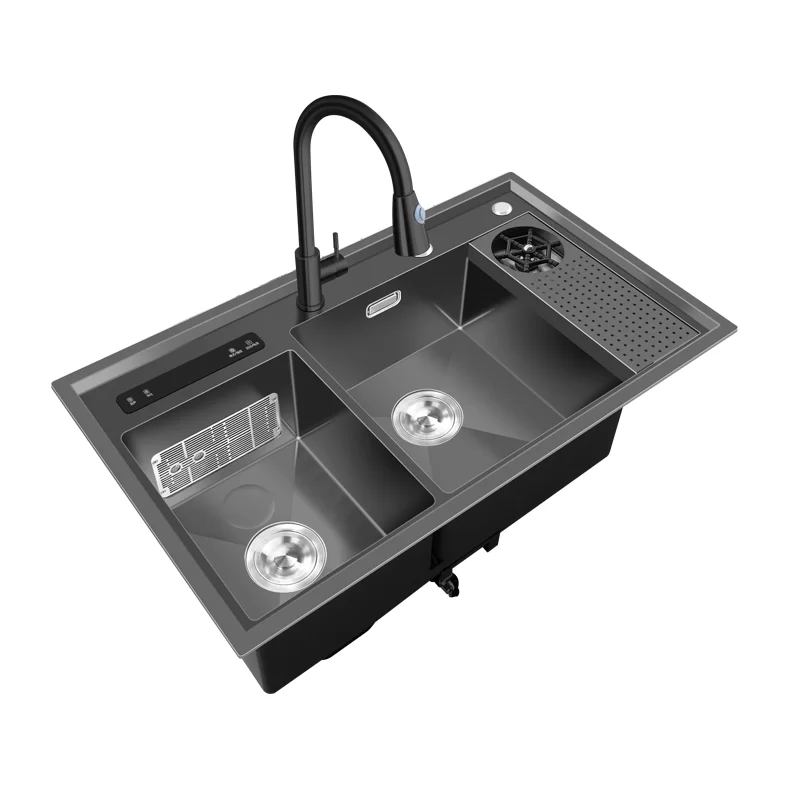
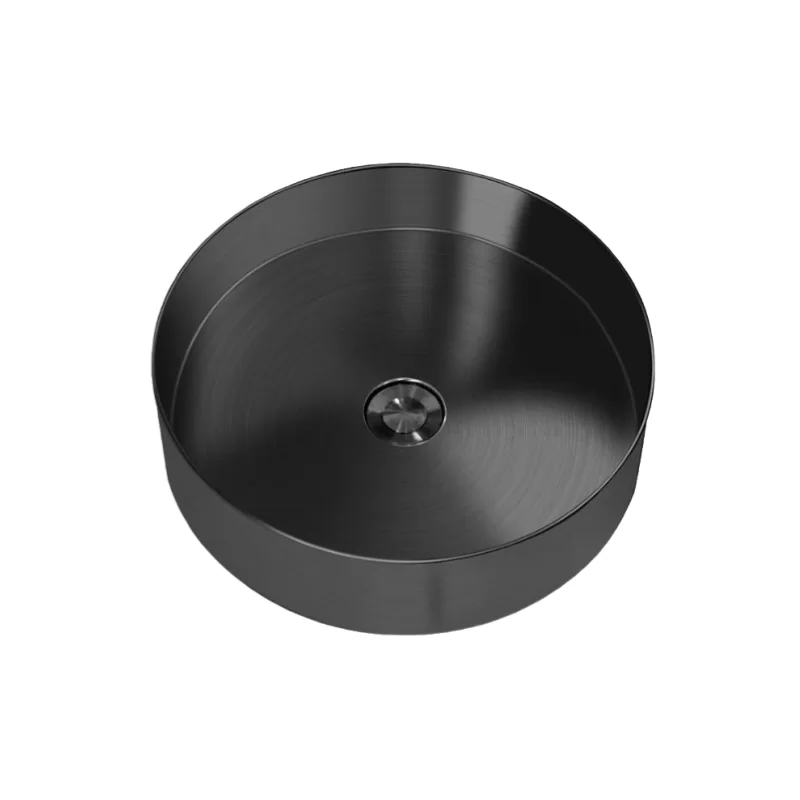
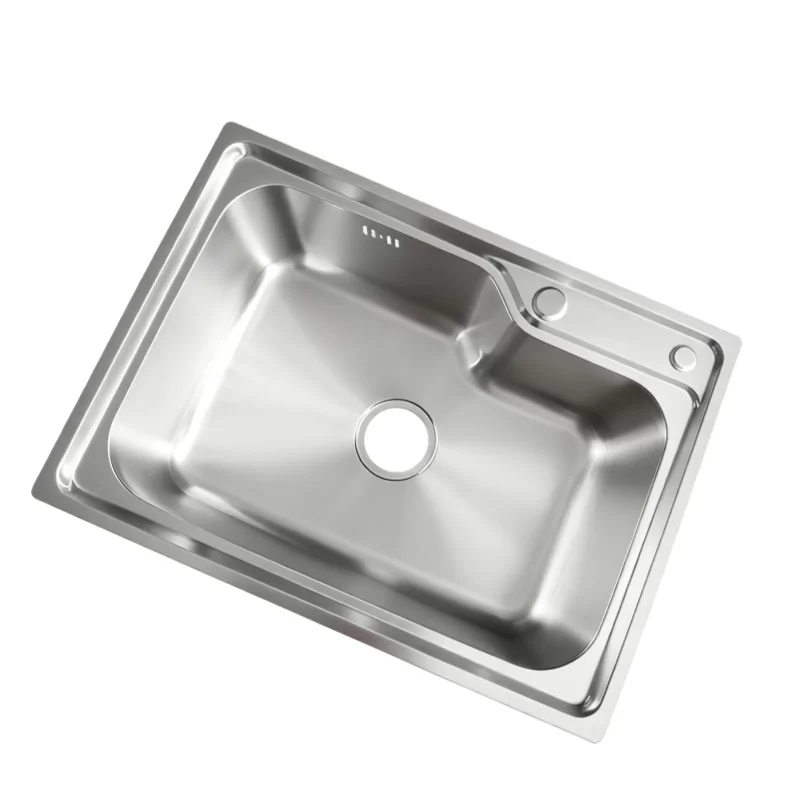
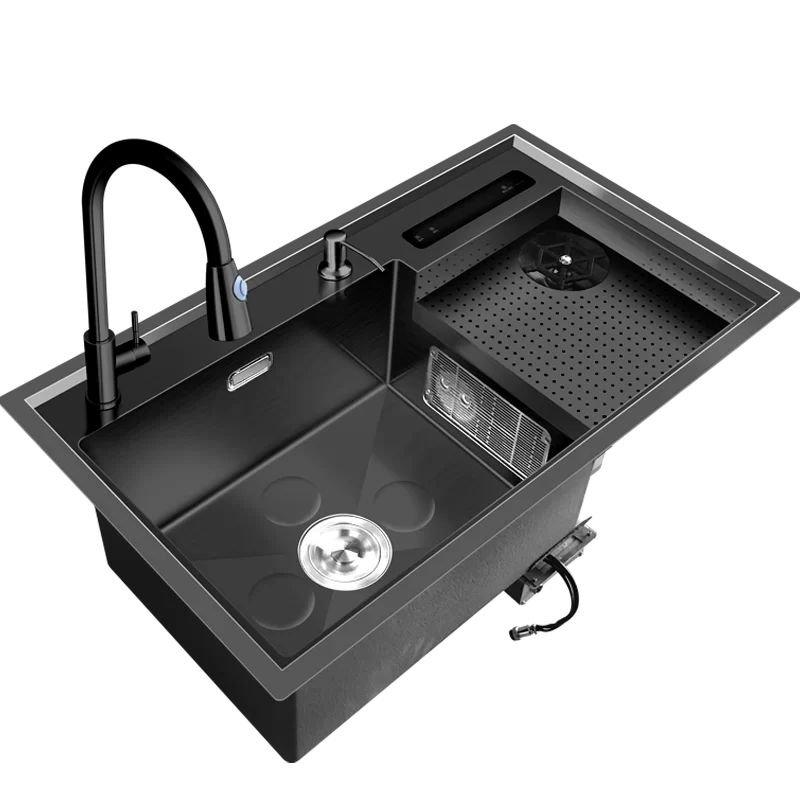
In simple terms, stainless steel sink manufacturers are companies specialized in producing sinks made primarily from stainless steel alloys. These manufacturers handle everything from material selection and forming to finishing processes like polishing and welding. Their role extends beyond just fabrication; they innovate designs to suit modern culinary, healthcare, and industrial applications where durability and cleanliness can’t be compromised.
More than just appliance makers, these manufacturers also support sectors with stringent sanitary requirements or tough environmental conditions — such as hospitals needing sterile surfaces or commercial kitchens requiring easy-to-clean, robust equipment. It’s a niche, but one that intersects with broad humanitarian and industrial needs.
Key Factors That Define the Industry
1. Durability and Corrosion Resistance
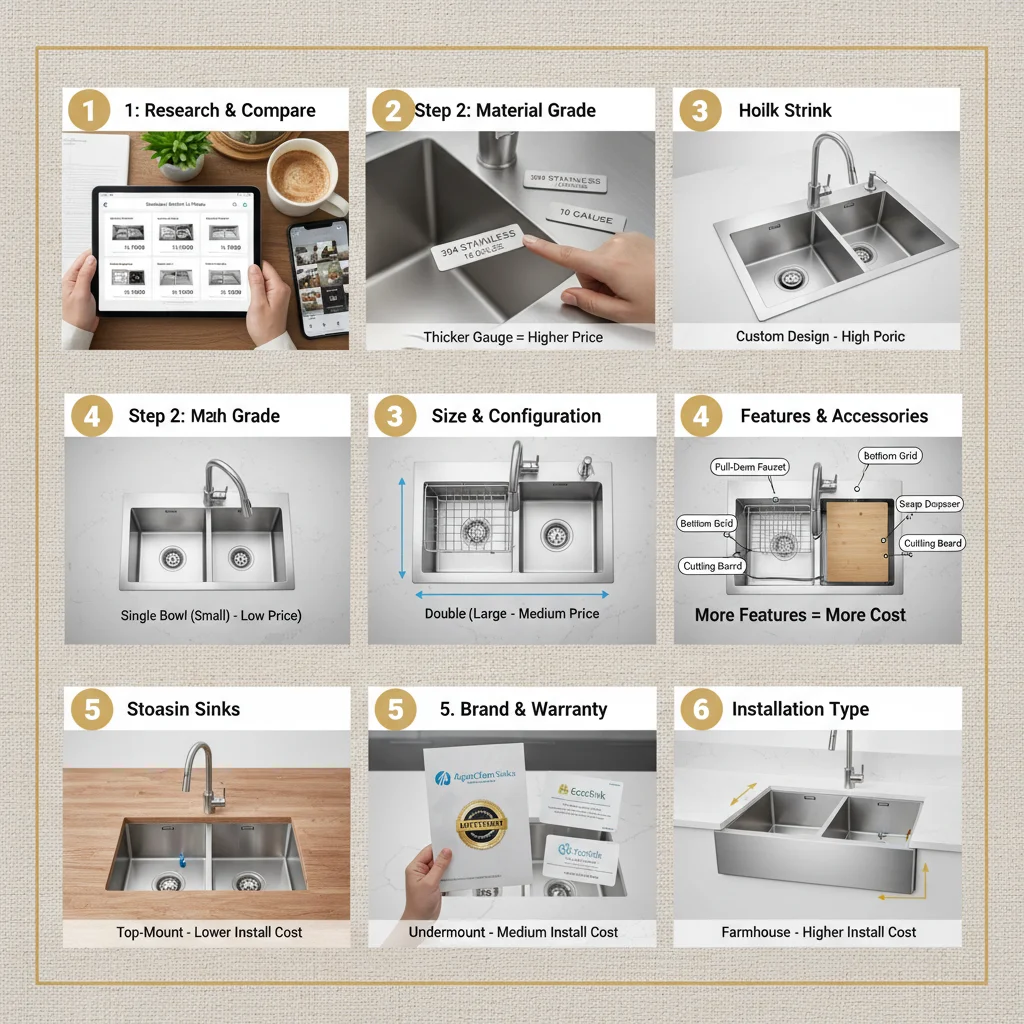
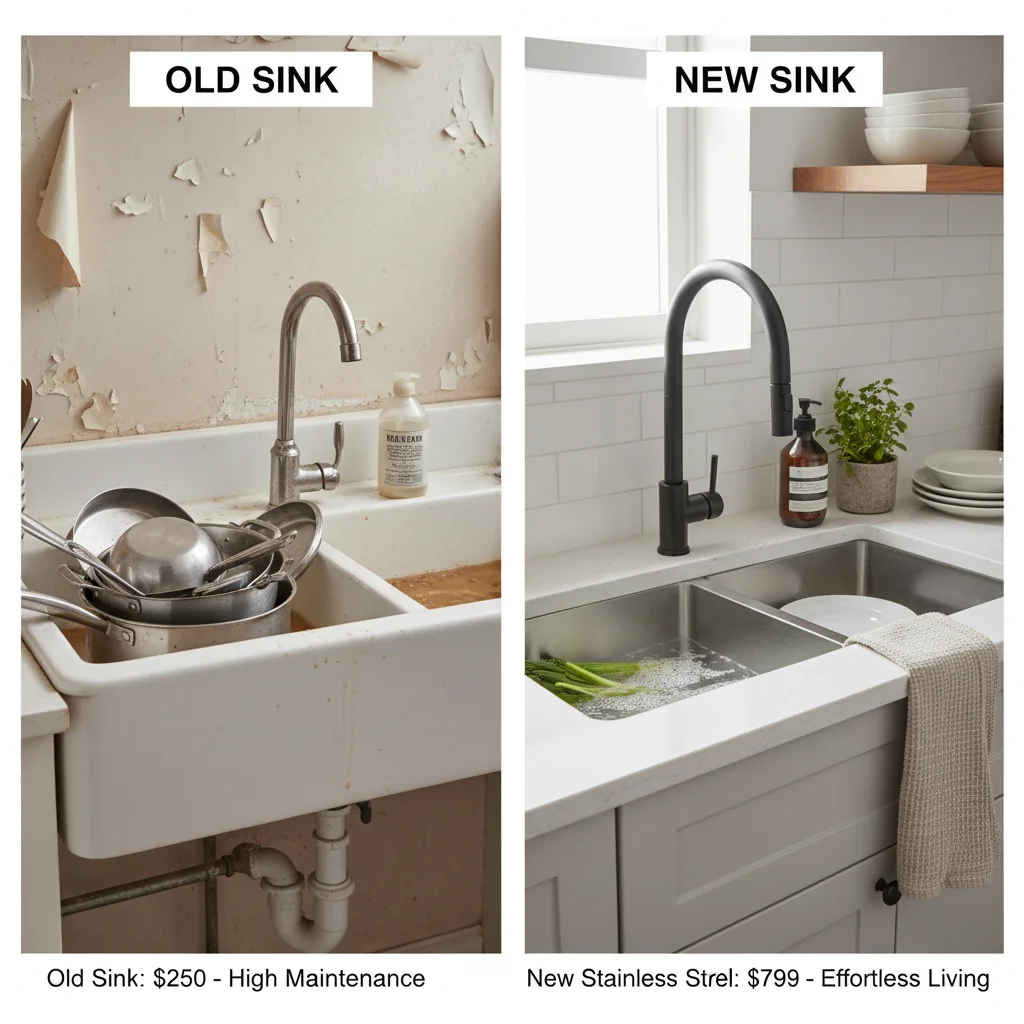
Stainless steel sinks must withstand constant water exposure, detergents, and sometimes acids. Manufacturers focus on alloy blends (304 and 316 grades are common) to ensure resistance to rust and pitting. This means fewer replacements and long-term value, especially important in commercial kitchens.
2. Scalability of Production
Leading manufacturers juggle custom one-off designs with mass production. Quick turnaround times and flexible manufacturing lines help meet orders ranging from boutique restaurants to multinational hotel chains. Automation and lean processes have increasingly become part of these companies’ playbooks.
3. Cost Efficiency
Stainless steel isn’t cheap, so manufacturers often optimize material thickness and fabrication techniques to balance strength with cost savings. Partnerships with raw material suppliers and smart inventory management come into play here.
4. Hygiene and Safety Compliance
Meeting food safety and health regulations is non-negotiable. Surface finishing processes like electropolishing improve hygiene by reducing microbial retention. Many manufacturers are certified for NSF/ANSI standards, reassuring clients in sensitive sectors.
5. Sustainability
Recycling rates for stainless steel are remarkably high (>90%), and manufacturers are improving energy-efficient processes and waste reduction. It’s an increasingly important factor for buyers conscious about environmental impact.
Product Specification Table
| Specification |
Typical Values |
| Material Grade |
304 / 316 Stainless Steel |
| Thickness |
0.6 mm to 1.2 mm |
| Finish |
Brushed, Polished, Electropolished |
| Sink Size Range |
300mm to 1500mm width |
| Certifications |
ISO 9001, NSF/ANSI 2, 3A Sanitary Standards |
Mini Takeaway: Stainless steel sink manufacturers operate at the intersection of material science, production efficiency, and strict hygiene standards — crafting products vital to both everyday users and specialized industries.
Global Applications and Use Cases
Stainless steel sinks have diverse applications:
- Healthcare Facilities: Hospitals rely on sinks resistant to bio-contamination for critical hygiene.
- Commercial Kitchens: From multinational hotel chains in Europe to street food stalls in Southeast Asia, these sinks are essential.
- Industrial Plants: Factories handling chemicals use robust sinks suited for tough conditions.
- Emergency and Relief Operations: NGOs deploy mobile kitchens with stainless steel sinks in disaster zones for safe meal prep.
For instance, in post-disaster camps, where water and sanitation infrastructures are fragile, durable stainless steel sinks provide reliable hygiene points that reduce disease spread. Oddly enough, you might not consider a sink a life-saving device, but in these contexts, it often is.
Vendor Comparison Table: Leading Stainless Steel Sink Manufacturers
| Manufacturer |
Product Range |
Certifications |
Sustainability Initiatives |
Price Range |
| Yashite Sink Co. |
Residential & Commercial |
ISO9001, NSF |
Energy-efficient production, 95% recycled steel |
Mid-Range |
| StainlessPro |
Industrial & Custom Designs |
ISO9001, 3A Sanitary Std. |
Wastewater recycling & zero-waste goals |
Premium |
| Global Sink Innovations |
Healthcare & Surgical Sinks |
ISO9001, NSF, FDA-compliant |
Solar-powered plants & eco-packaging |
High-End |
Advantages and Long-Term Value of Reliable Stainless Steel Sink Manufacturers
The true value of a stainless steel sink manufacturer lies beyond just the product. Here’s what you typically get:
- Cost Efficiency: Durable sinks reduce replacement frequency, saving money.
- Sustainability: High recycling rates and greener production lessen environmental impact.
- Health & Safety: Certified hygienic surfaces protect users, patients, and food preparation.
- Innovation: Advanced finishes and smart designs meet niche requirements.
- Trust & Peace of Mind: Reliable vendors with certifications instill buyer confidence.
Emotionally, there’s a lot to be said for kitchens and hospitals that “just work.” When I think about how a reliable sink underpins everyday food prep or patient care, it feels like a small yet critical backbone of safety and dignity.
Future Trends & Innovations in Stainless Steel Sink Manufacturing
Looking ahead, we see several exciting movements:
- Smart Manufacturing: Industry 4.0 principles bring automation and real-time quality control to sink production lines.
- Green Energy Integration: Solar and wind power use reduces manufacturing carbon footprint.
- New Materials: Coatings that resist bacteria even more effectively, or recycled alloys with enhanced durability.
- Customization at Scale: Digital modeling allows bespoke sinks for specialized applications to be produced cost-effectively.
Challenges & Practical Solutions
Despite the advances, some hurdles persist:
- Raw Material Price Volatility: Stainless steel prices fluctuate, impacting costs; solution: strong supplier relationships and bulk contracts.
- Environmental Regulations: Navigating global compliance can be tricky; solution: continuous certifications and audits.
- Supply Chain Disruptions: Especially post-pandemic, manufacturers have diversified suppliers and embraced local sourcing.
In real terms, it boils down to flexibility and commitment to quality — you’ve got to adapt or fall behind.
FAQs About Stainless Steel Sink Manufacturers
- What advantages do stainless steel sinks offer over other materials?
- They are incredibly durable, corrosion-resistant, hygienic, and easy to maintain. Stainless steel’s recycling potential also makes it environmentally friendly compared to plastic or ceramic.
- How do manufacturers ensure the hygiene of stainless steel sinks?
- They use special finishing techniques like electropolishing to smooth surfaces and reduce areas where bacteria could thrive. Many comply with NSF or 3A sanitary standards tailored for food and healthcare environments.
- Can stainless steel sinks be customized for unique commercial needs?
- Yes, many manufacturers offer custom sizing, bowl configurations, and accessories, adapting sinks for specialized uses like laboratory or industrial settings.
- Are stainless steel sinks suitable for outdoor or industrial environments?
- Absolutely. Stainless steel grades like 316 provide extra corrosion resistance, ideal for harsh weather or chemical exposure.
- How can international buyers source from reliable manufacturers?
- Many manufacturers maintain export capabilities and offer certifications to ease import compliance. Working with stainless steel sink manufacturers that have international experience helps smooth the process.
Conclusion: Why Choosing the Right Stainless Steel Sink Manufacturer Matters
When you boil it down, a kitchen or facility’s functionality often hinges on the quality of something as overlooked as the sink — stainless steel sinks by reputable manufacturers bring durability, hygiene, and sustainability together. Choosing a provider skilled in balancing these aspects means investing in products that serve you well for years.
Looking for trusted stainless steel sink manufacturers? Visit https://www.yashitesink.com to explore offerings tailored to both residential and commercial needs. Honestly, it feels good knowing you’re getting products made with care, expertise, and a nod to future sustainability.
Mini takeaway: Stainless steel sink manufacturing is more than metalwork — it’s about engineering longevity, safety, and environmental responsibility into everyday life.
References
- Wikipedia: Stainless Steel
- ISO 9001 Quality Management Standards
- Statista: Stainless Steel Market Overview