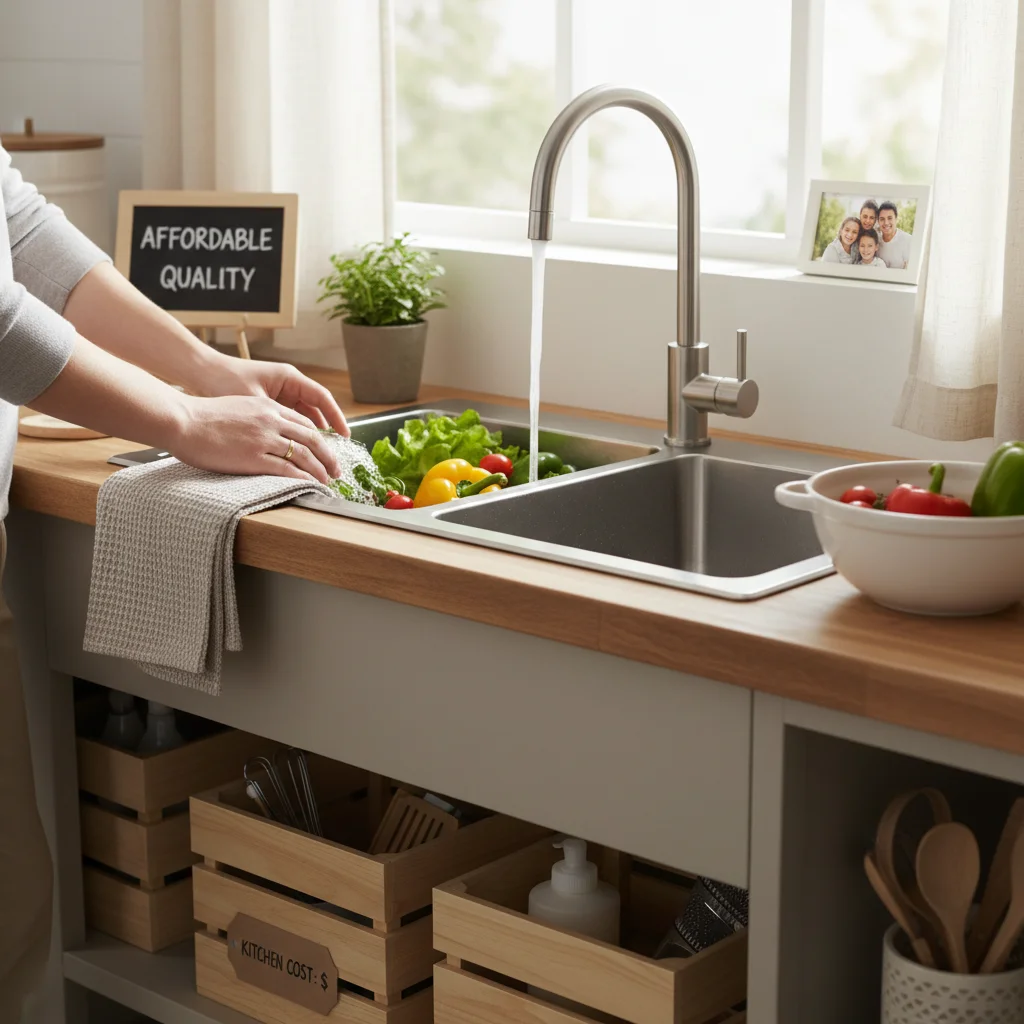
Choosing the right kitchen sink shape may seem like a small design decision, but it can significantly influence both the functionality and visual style of your kitchen. Among the most common options, rectangular and oval sinks each offer their own advantages. However, in modern kitchens, rectangular kitchen sinks have become increasingly popular due to their practicality, clean design, and compatibility with contemporary cabinetry.
In this article, we will compare rectangular and oval sinks in terms of usability, aesthetics, installation, and maintenance to help you determine which option works best for your kitchen.
Why Rectangular Kitchen Sinks Are the Most Popular Choice Today
Over the past decade, rectangular kitchen sinks have become the dominant style in modern kitchen design. Their straight edges and structured shape complement the clean lines commonly found in contemporary countertops and cabinetry.
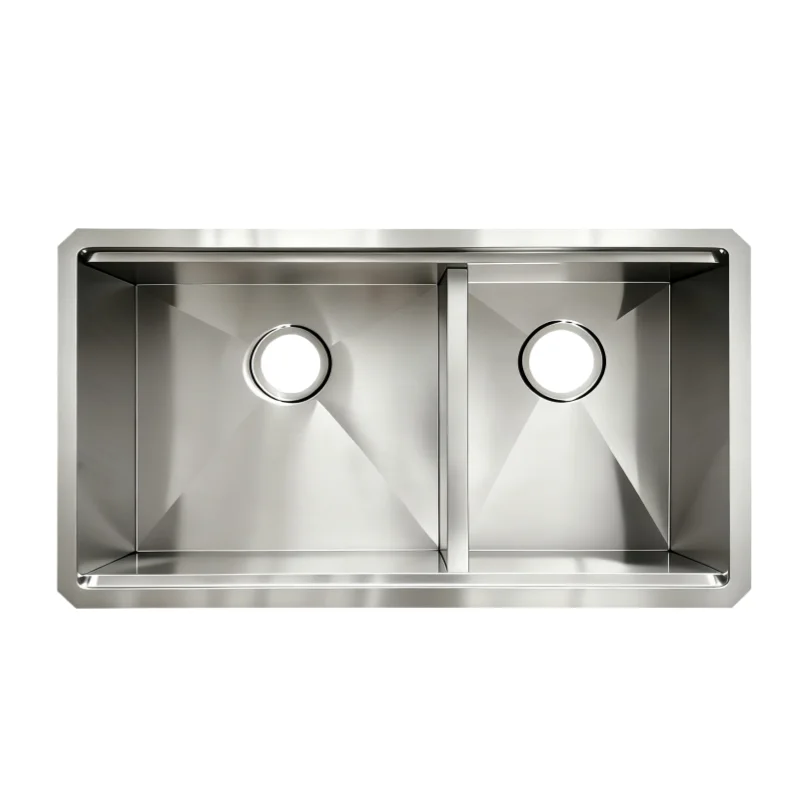
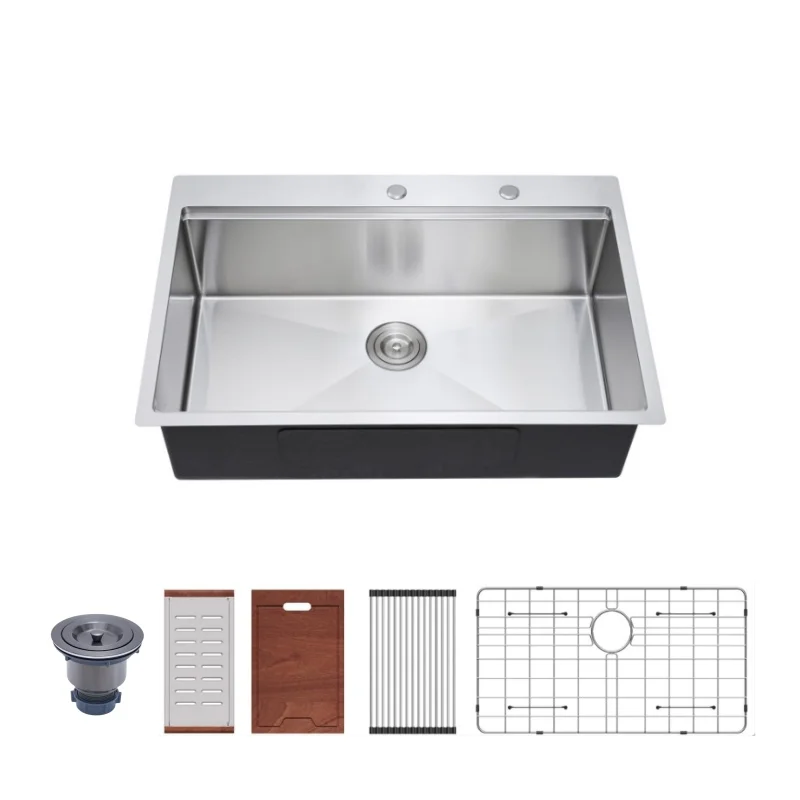
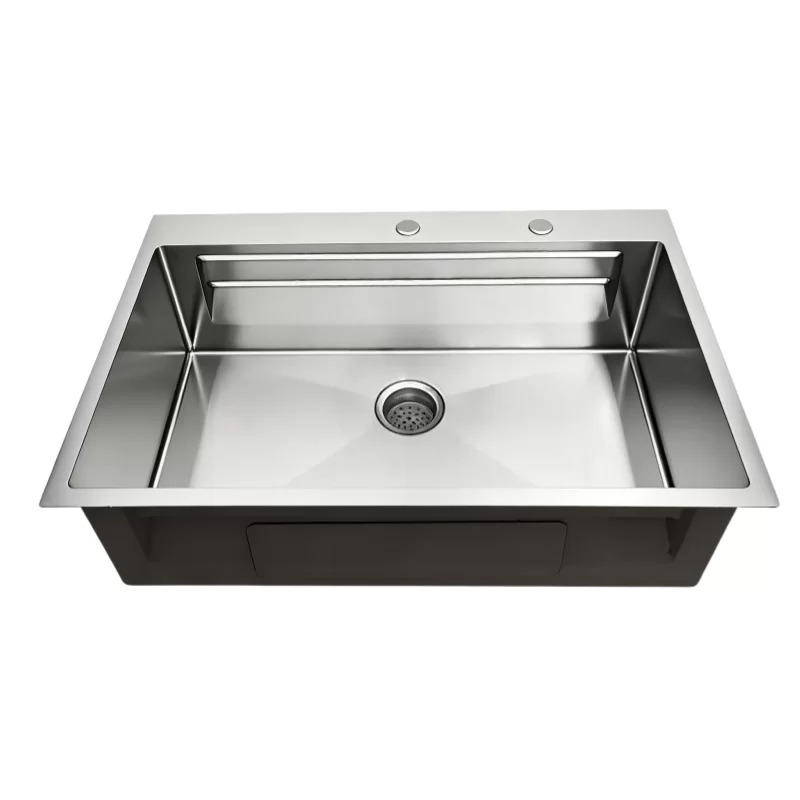
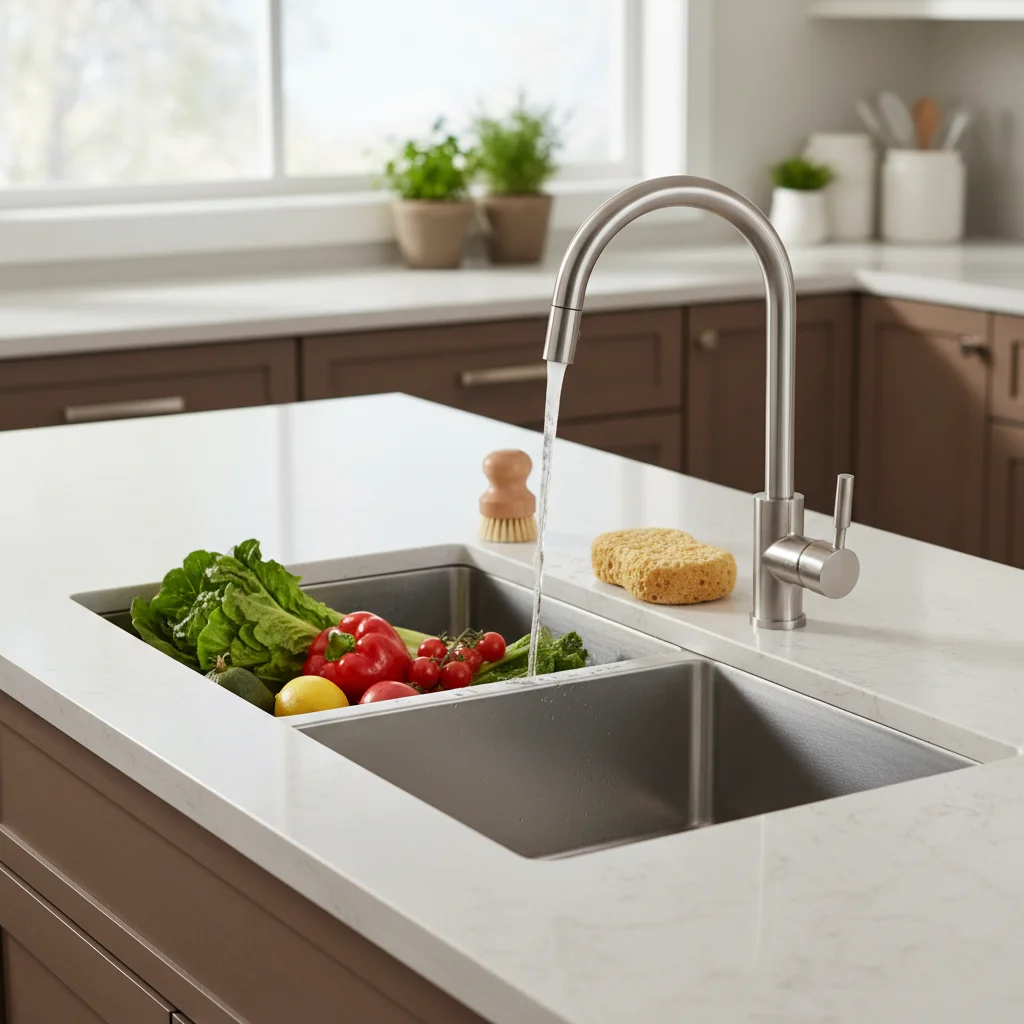
One of the biggest advantages of rectangular sinks is space efficiency. The squared corners allow users to maximize the usable area inside the basin. Compared with oval sinks, which have curved edges that reduce internal capacity, rectangular designs provide more room for washing large cookware such as baking trays, stockpots, and cutting boards.
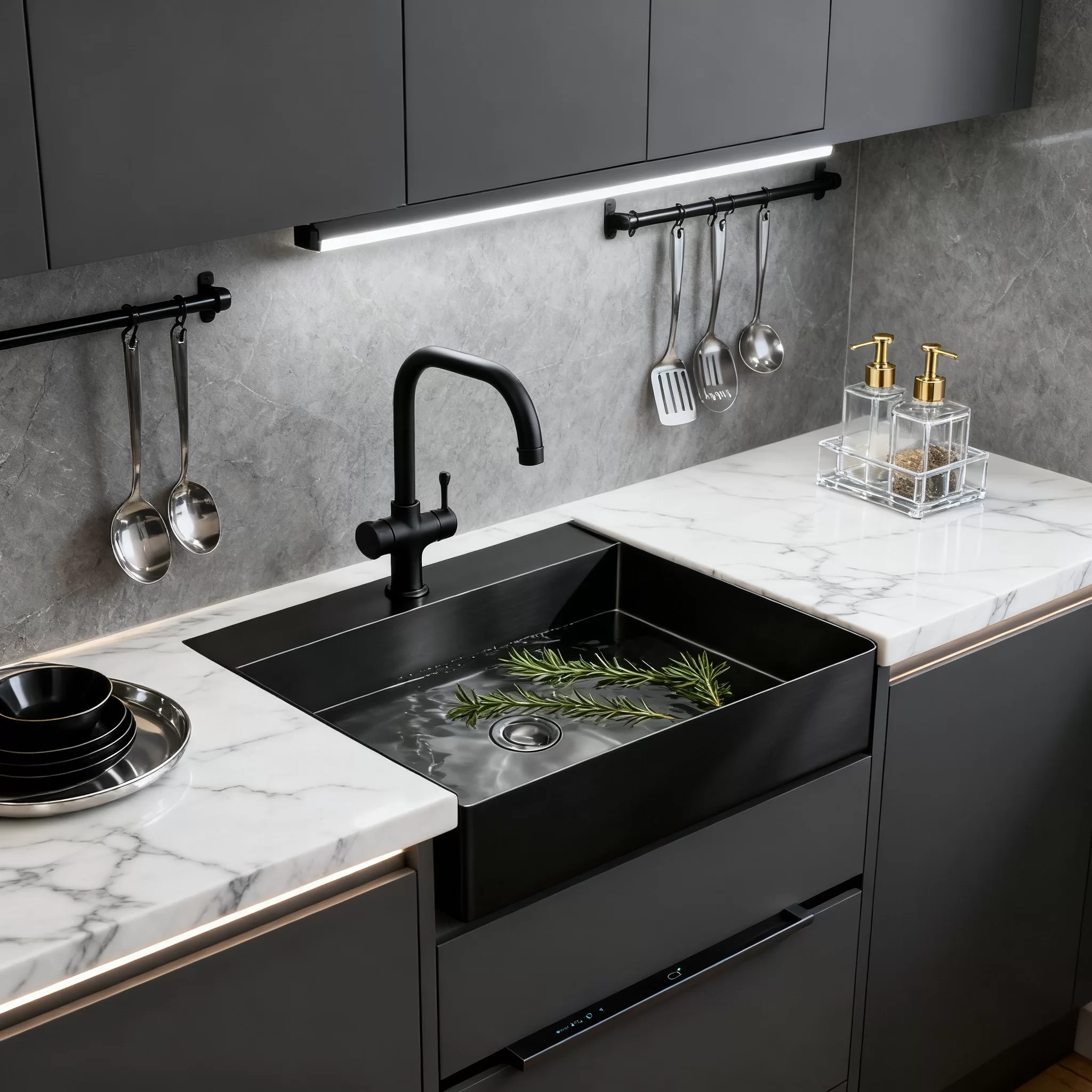
Another reason homeowners and designers prefer rectangular kitchen sinks is design compatibility. Whether the kitchen style is minimalist, industrial, or modern farmhouse, the geometric shape blends seamlessly with stone countertops like quartz, granite, or marble.
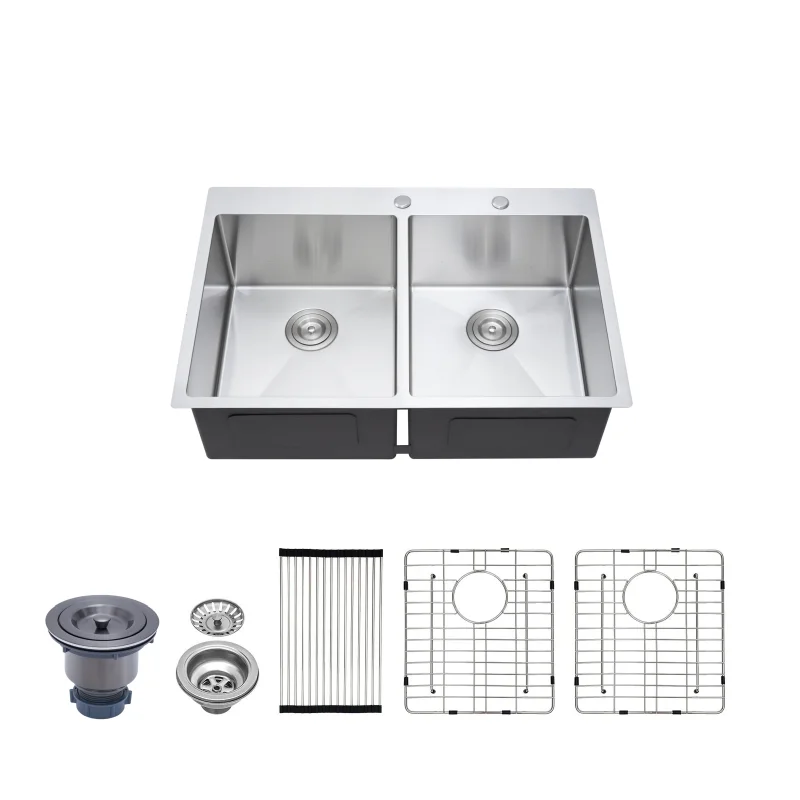
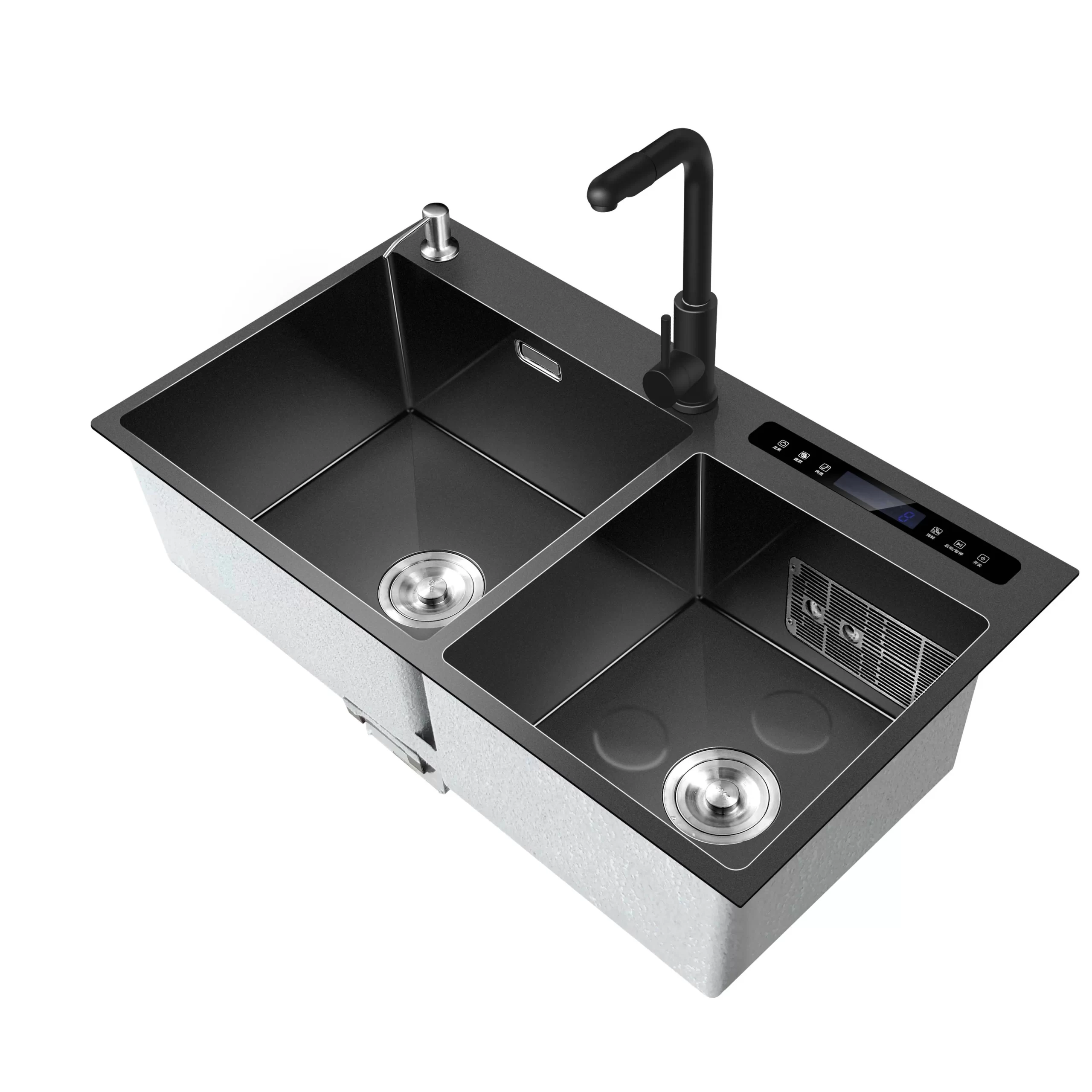
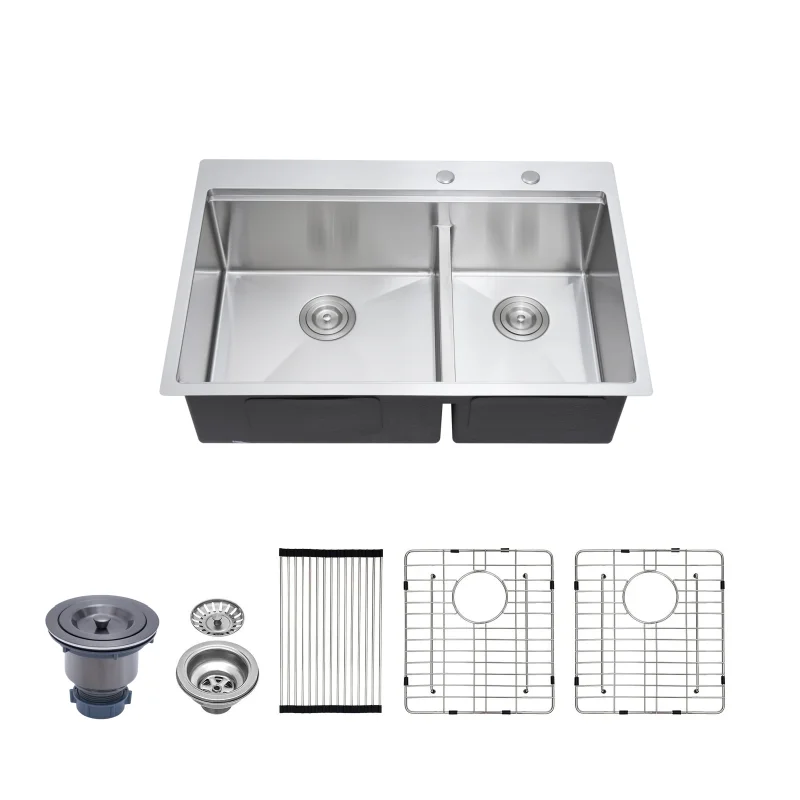
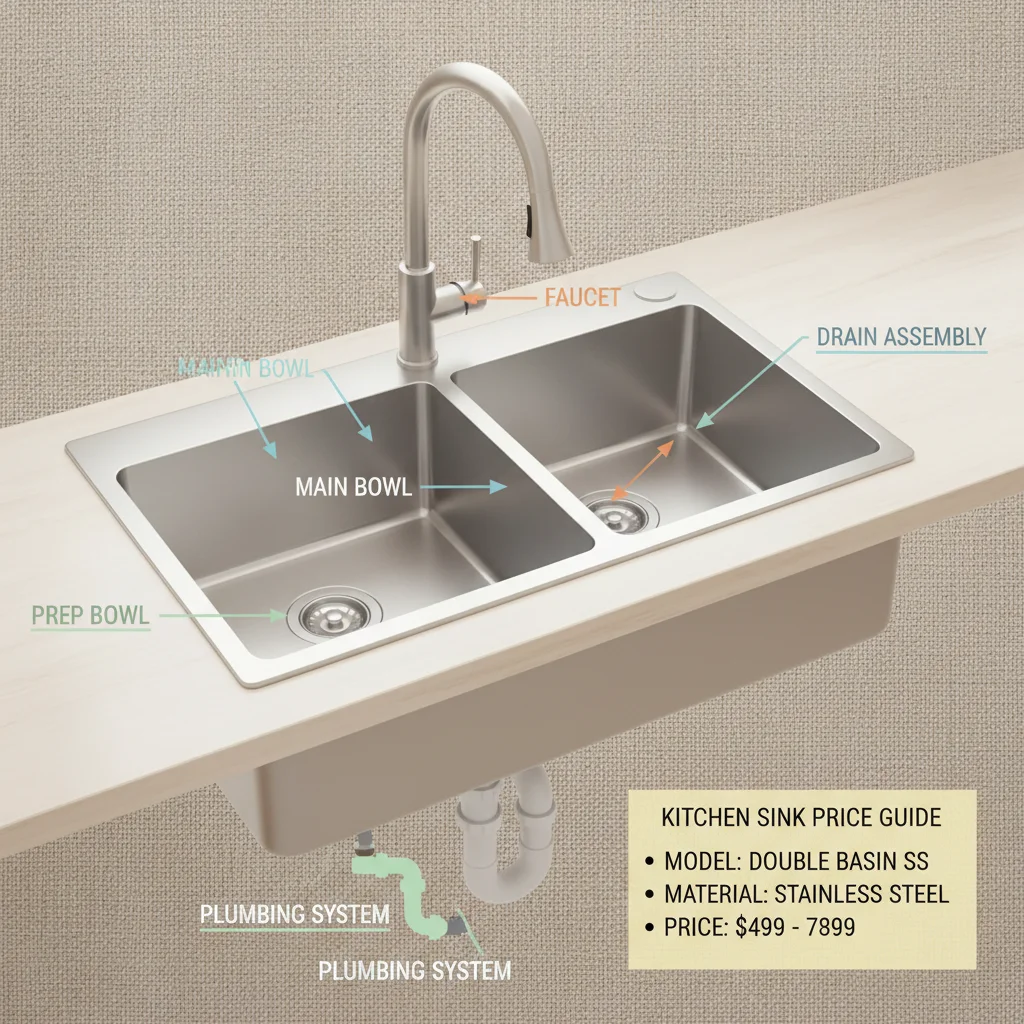
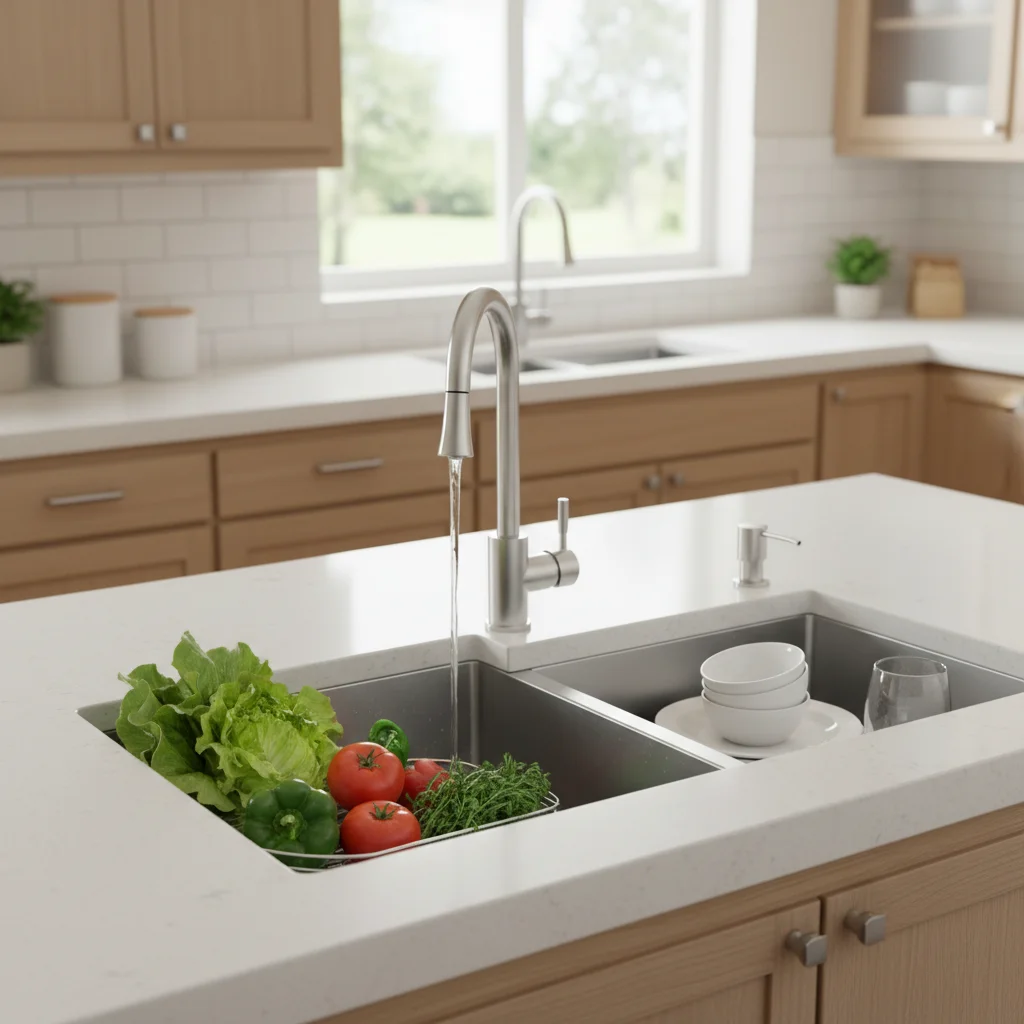
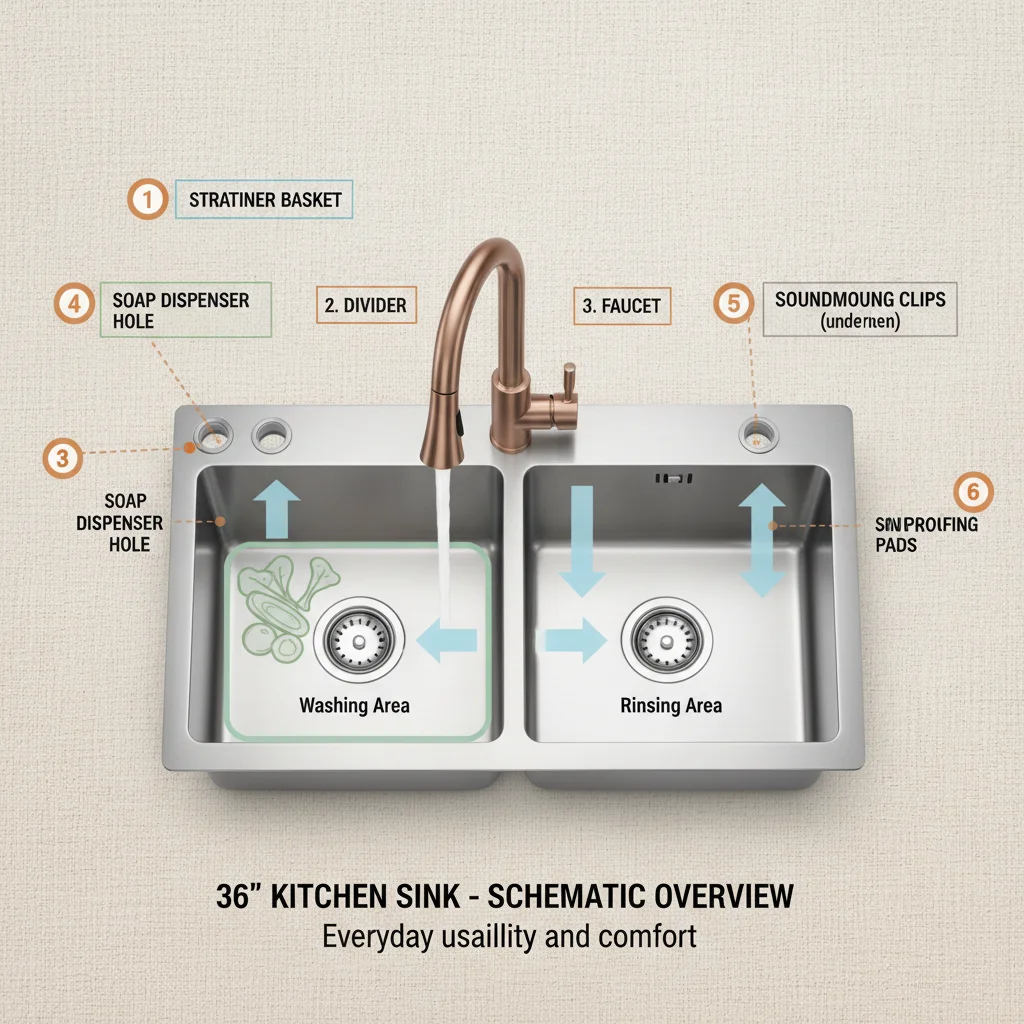
Additionally, rectangular sinks often come in single-bowl and double-bowl configurations, making them versatile for different kitchen workflows. Many households appreciate the flexibility of a double-bowl rectangular sink for separating washing and rinsing tasks.
Oval Sinks: A Classic Design with Soft Visual Appeal
While rectangular sinks dominate modern kitchens, oval sinks still maintain a place in traditional or decorative kitchen designs.
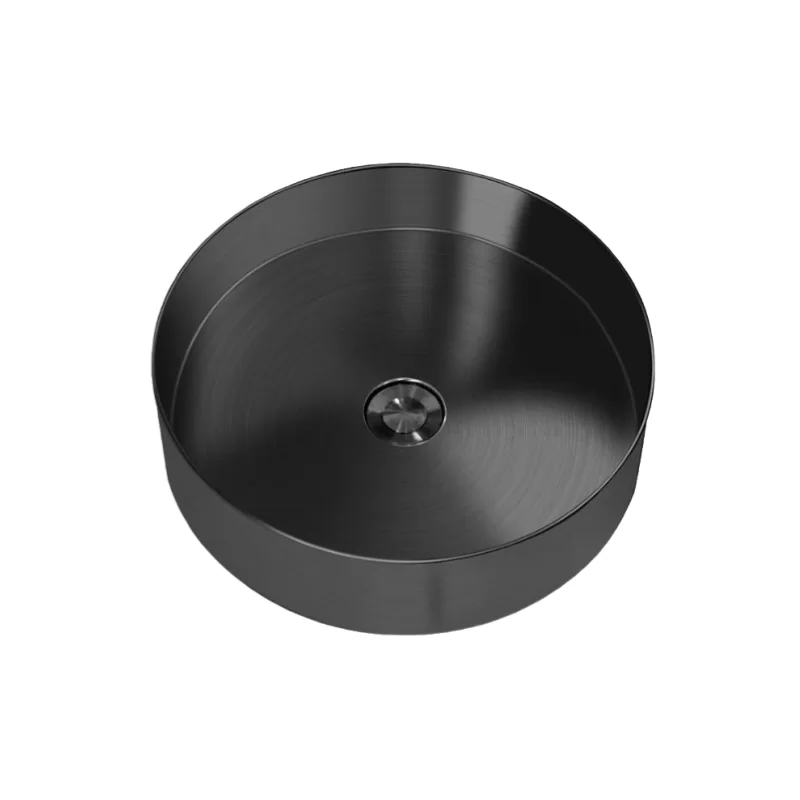
The curved edges of an oval sink create a softer visual profile, which can complement classic or vintage-style kitchens. In some cases, oval sinks are also chosen for smaller spaces because their rounded corners can create a more compact footprint.
However, the curved interior walls often reduce the amount of usable sink space. Large dishes or rectangular cookware may not fit as comfortably inside an oval basin.
From a cleaning perspective, oval sinks can be easier to maintain because the smooth curved surfaces have fewer corners where debris can accumulate. This makes wiping down the basin slightly quicker.
Despite these advantages, oval sinks are less common in modern kitchen installations, especially in homes that prioritize functionality and efficient workflow.
Rectangular Kitchen Sinks Offer Better Workspace Efficiency
When comparing functionality, rectangular kitchen sinks typically outperform oval designs in everyday kitchen tasks.
The primary reason is their larger flat-bottom surface area. This allows dishes, pots, and utensils to sit more evenly inside the basin during washing. In contrast, oval sinks often have curved bottoms that can cause items to slide or stack unevenly.
Rectangular sinks are also ideal for modern kitchen accessories such as:
These accessories are typically designed for rectangular kitchen sinks, making them easier to integrate into daily kitchen routines.
For households that cook frequently or handle large cookware, the additional space provided by a rectangular basin can significantly improve efficiency.
Design Flexibility with Rectangular Kitchen Sinks
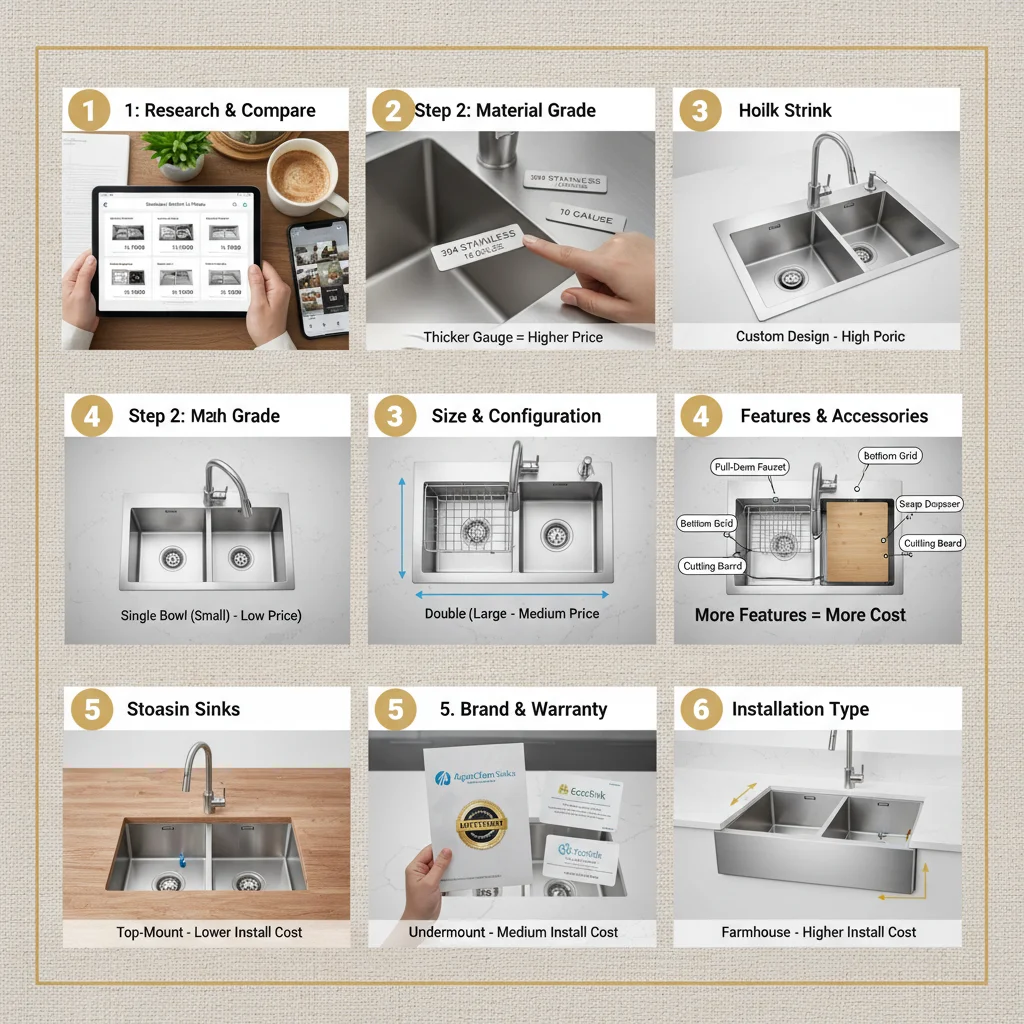
Another major advantage of rectangular kitchen sinks is the variety of installation styles available. Manufacturers typically offer these sinks in multiple configurations, including:
Top-mount (drop-in) sinks
Undermount sinks
Farmhouse apron-front sinks
Integrated countertop sinks
This flexibility allows homeowners and kitchen designers to match the sink with different countertop materials and cabinet styles.
Rectangular sinks also provide greater depth options, often ranging from 8 to 12 inches. Deeper sinks help reduce water splashing and make it easier to wash large cookware.
In contrast, oval sinks are more commonly limited to drop-in installation styles and may offer fewer customization options.
Cleaning and Maintenance: Which Sink Shape Is Easier?
Maintenance is another important factor when choosing between sink shapes.
At first glance, oval sinks appear easier to clean because their curved surfaces eliminate sharp corners. However, modern rectangular kitchen sinks are often designed with rounded interior corners, sometimes referred to as zero-radius or small-radius corners.
These design improvements provide the sleek appearance of a rectangular sink while still allowing for relatively easy cleaning.
Most rectangular sinks are also made from stainless steel, which offers several practical benefits:
With proper maintenance, a high-quality stainless steel rectangular sink can maintain its appearance for many years.
Rectangular Kitchen Sinks and Modern Kitchen Trends
Current kitchen design trends strongly favor geometric shapes and minimalist aesthetics, which is another reason rectangular sinks continue to gain popularity.
Many modern kitchens feature:
The sharp lines of rectangular sinks align perfectly with these design elements. As a result, they are widely used in contemporary residential kitchens, luxury apartments, and commercial cooking spaces.
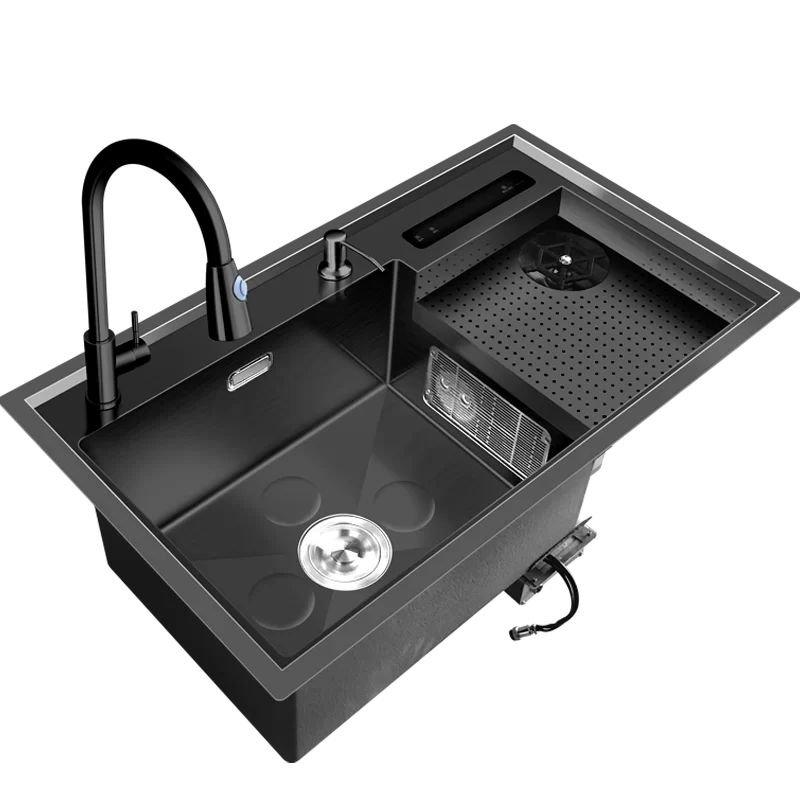
Additionally, rectangular sinks often pair well with pull-down kitchen faucets and workstation sink designs, creating a highly functional and visually balanced workspace.
Which Sink Shape Should You Choose?
When deciding between rectangular and oval sinks, it ultimately comes down to your kitchen style and functional needs.
Choose rectangular kitchen sinks if you want:
Maximum washing space
Compatibility with kitchen accessories
A modern or contemporary design
Multiple installation options
Better accommodation for large cookware
On the other hand, oval sinks may be suitable if you prefer:
A softer, traditional design aesthetic
A slightly easier-to-clean curved basin
Compact installation in smaller kitchens
For most modern homes, however, rectangular kitchen sinks offer the best balance of style, efficiency, and versatility.
Final Thoughts
Both rectangular and oval sinks have their own strengths, but in today’s kitchens, rectangular kitchen sinks are generally considered the better option. Their larger basin space, compatibility with modern kitchen accessories, and sleek geometric appearance make them ideal for contemporary cooking environments.
Whether you are renovating your kitchen or designing a new one, investing in a well-designed rectangular sink can significantly improve both the functionality and visual appeal of your kitchen workspace.
By carefully considering your cooking habits, kitchen layout, and design preferences, you can choose the sink shape that best supports your daily kitchen activities.