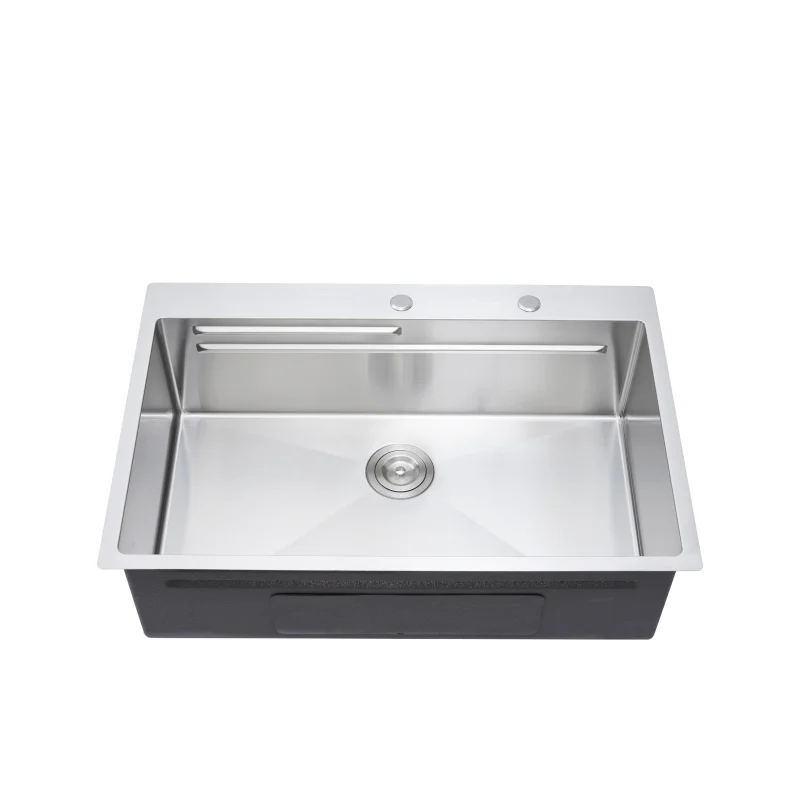
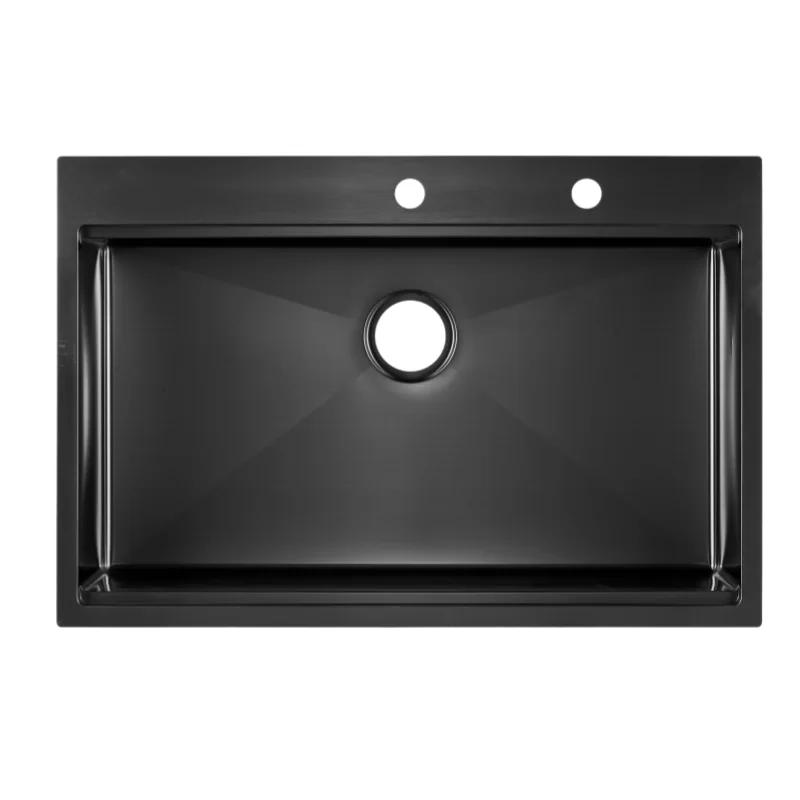
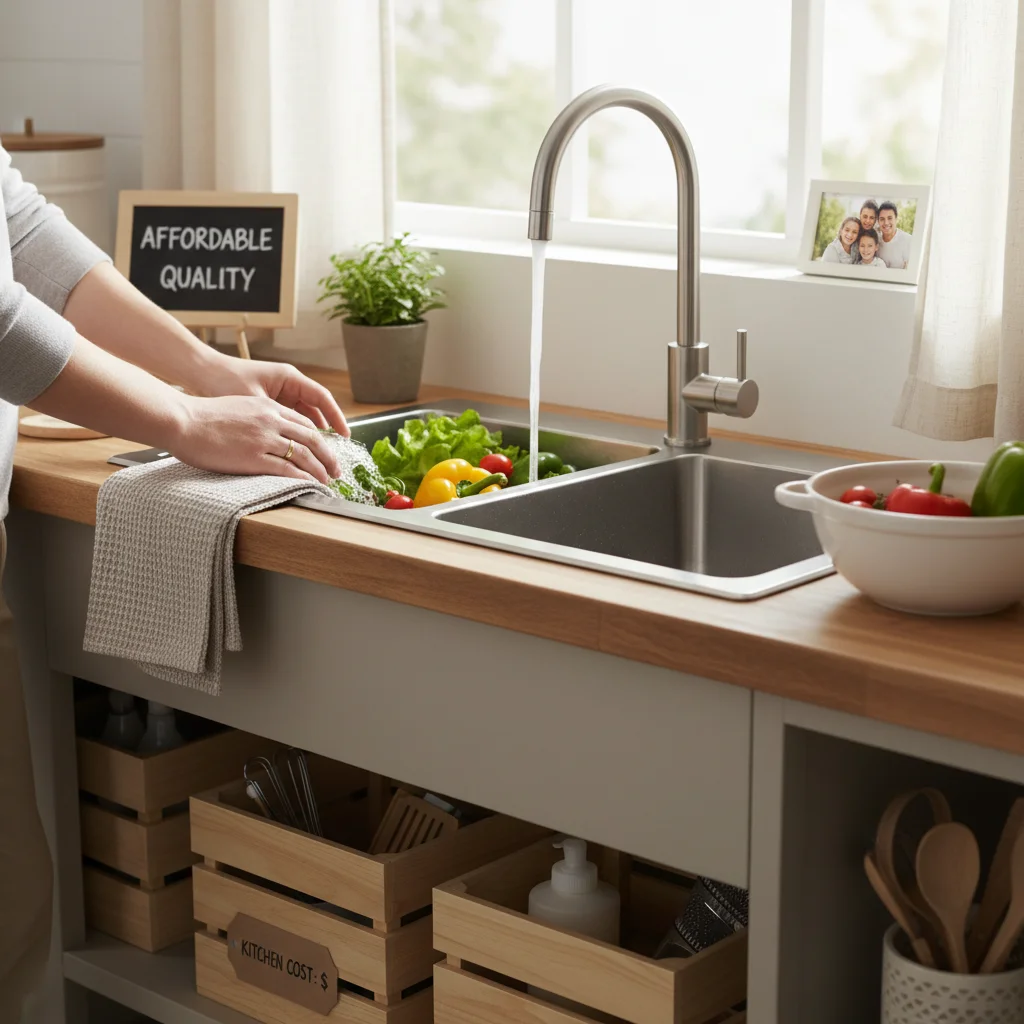
In the vast landscape of kitchen design, few elements combine practicality, aesthetics, and ease of installation as effectively as the top mount single bowl kitchen sink. This design, often referred to as a drop-in sink, has maintained its status as a homeowner favorite for decades, primarily due to its straightforward installation process and the significant countertop space it offers. Unlike its undermount counterparts, a top mount sink simply drops into a pre-cut hole in the countertop, with its rim resting on the surface. This simplicity translates directly into reduced labor costs and installation time, making it an attractive option for both new constructions and renovation projects. Beyond the immediate benefits of installation, the single bowl configuration itself offers unparalleled versatility. Imagine effortlessly washing an oversized roasting pan or a stack of dinner plates without the obstruction of a central divider – a common frustration with double-bowl designs. Data from industry surveys consistently show that large, unpartitioned sink basins are becoming increasingly preferred, with a recent poll indicating 68% of homeowners value a single, large basin for its superior functionality. This preference is driven by a desire for efficiency and convenience in busy modern kitchens, where culinary tasks often involve larger pots, baking sheets, and cutting boards. Furthermore, the inherent design of a top mount allows for a broader range of material choices and finishes, seamlessly integrating into diverse kitchen styles from rustic farmhouse to sleek contemporary. Its robust edge provides a natural barrier, often preventing water from seeping into the countertop cutout, a subtle but significant advantage for maintaining the integrity of your kitchen surfaces over time. This foundational choice sets the stage for a highly functional and aesthetically pleasing kitchen environment.
The Unrivaled Utility: Why a Single Bowl Design Dominates
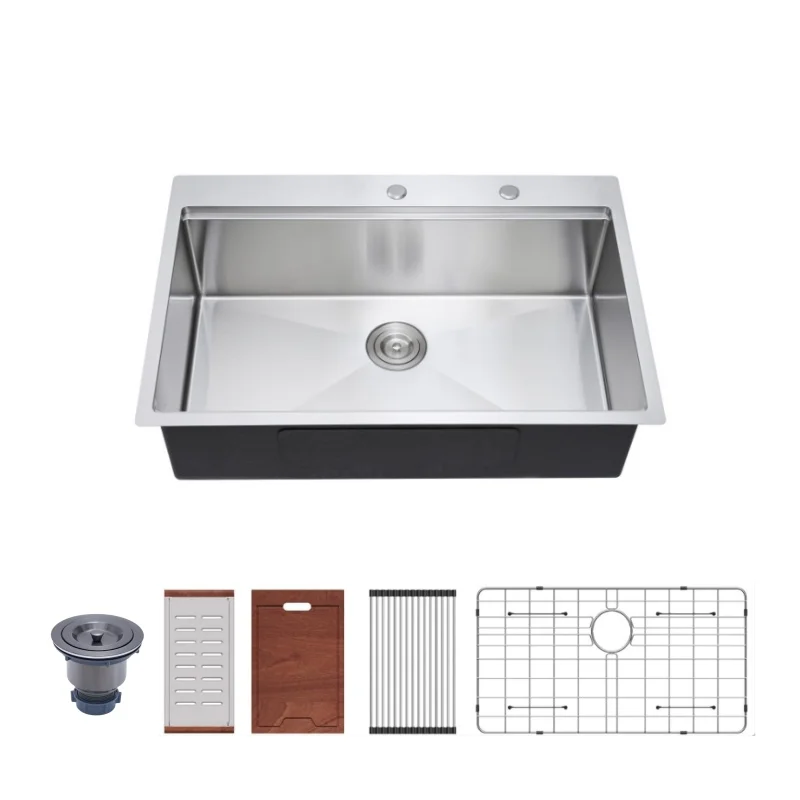
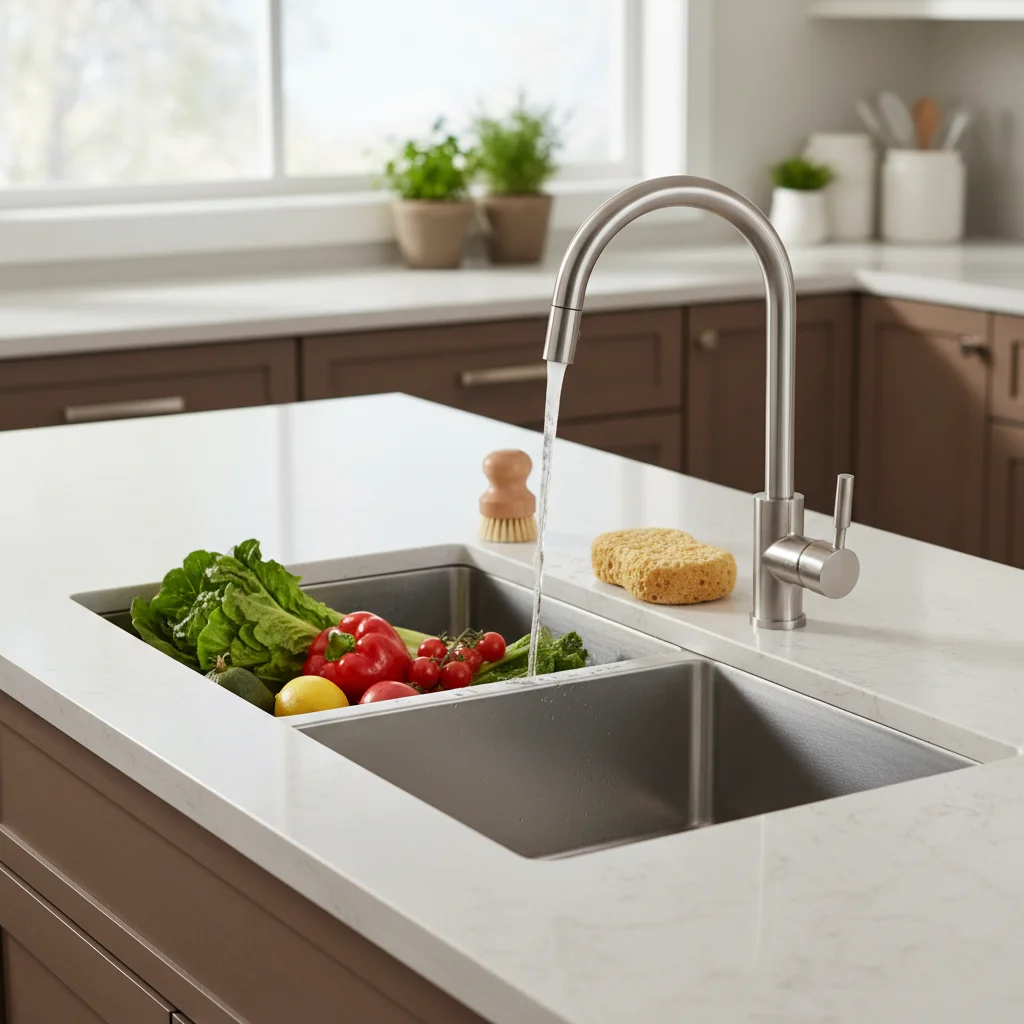
The single bowl design, particularly in a top mount configuration, stands out as a beacon of utilitarian brilliance in the kitchen. Its primary advantage lies in its expansive, uninterrupted basin, which fundamentally redefines how one approaches kitchen chores. Consider the sheer volume: a typical single bowl sink can offer up to 25% more usable space compared to a divided sink of the same overall dimensions. This makes it the undisputed champion for tackling large and unwieldy items that simply won't fit into smaller, partitioned compartments. Think about soaking a substantial stockpot after preparing a hearty stew, cleaning oversized baking sheets that span nearly the entire width of an oven, or rinsing a large quantity of fresh produce without feeling constrained. The absence of a divider means there are no cramped corners or shallow sections to navigate, allowing for a more fluid and efficient cleaning process. For families, the single bowl facilitates quick clean-ups after large meals, accommodating multiple dishes and utensils simultaneously. Professional chefs and avid home cooks alike often praise this design for its ability to handle prep work requiring extensive space, such as draining pasta from a colossal pot or washing large quantities of vegetables. Moreover, a single bowl sink often comes equipped with more versatile accessory options, such as custom-fit cutting boards, colanders, and drying racks that can span the entire width of the basin, effectively transforming your sink into a dynamic workstation. This adaptability significantly enhances kitchen workflow, streamlining tasks and minimizing clutter on surrounding countertops. The simplicity of a single bowl also extends to its maintenance; with fewer seams and corners, cleaning is often quicker and more thorough, preventing the accumulation of grime and bacteria that can sometimes plague divided sinks. This practical dominance translates directly into a more hygienic and user-friendly kitchen environment, underscoring why its utility is often prioritized above all else by those who truly use their kitchen to its full potential.
Engineering Excellence: Diving into Technical Specifications and Material Science
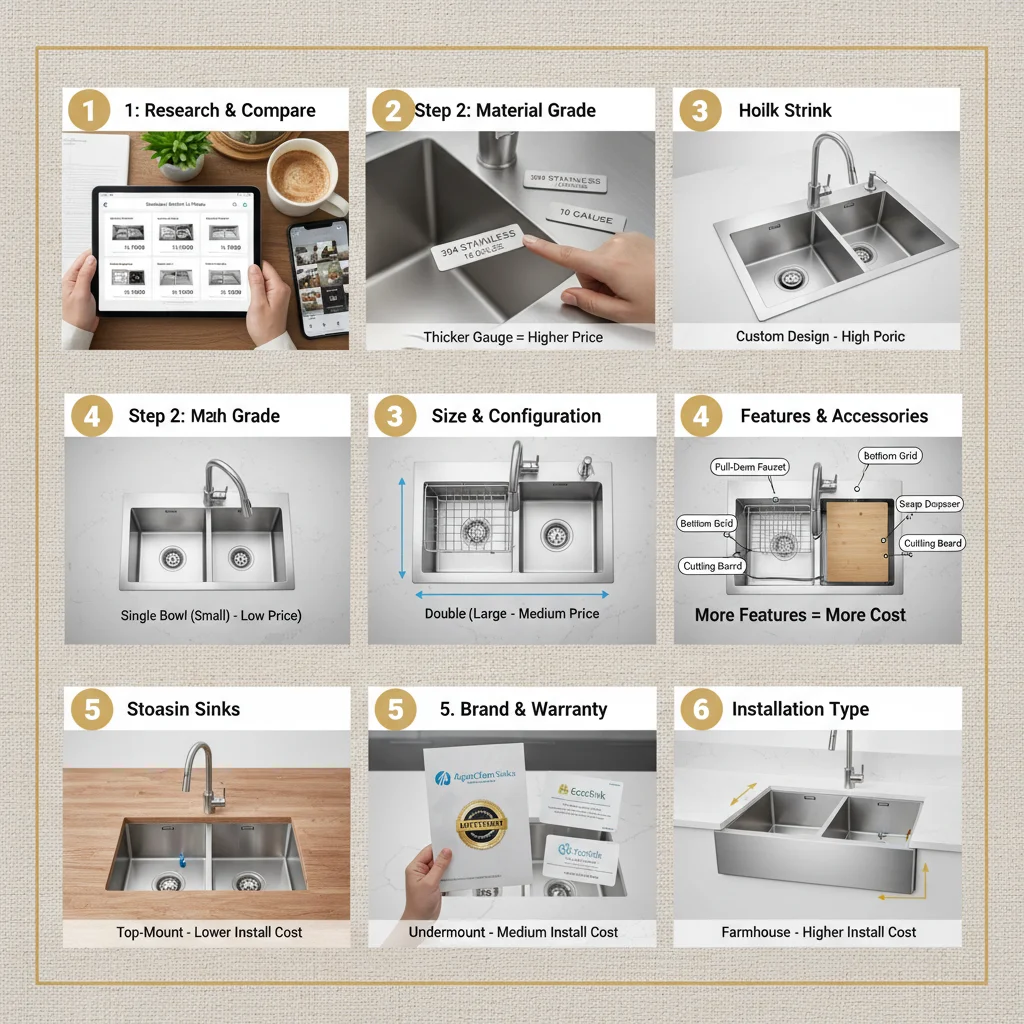
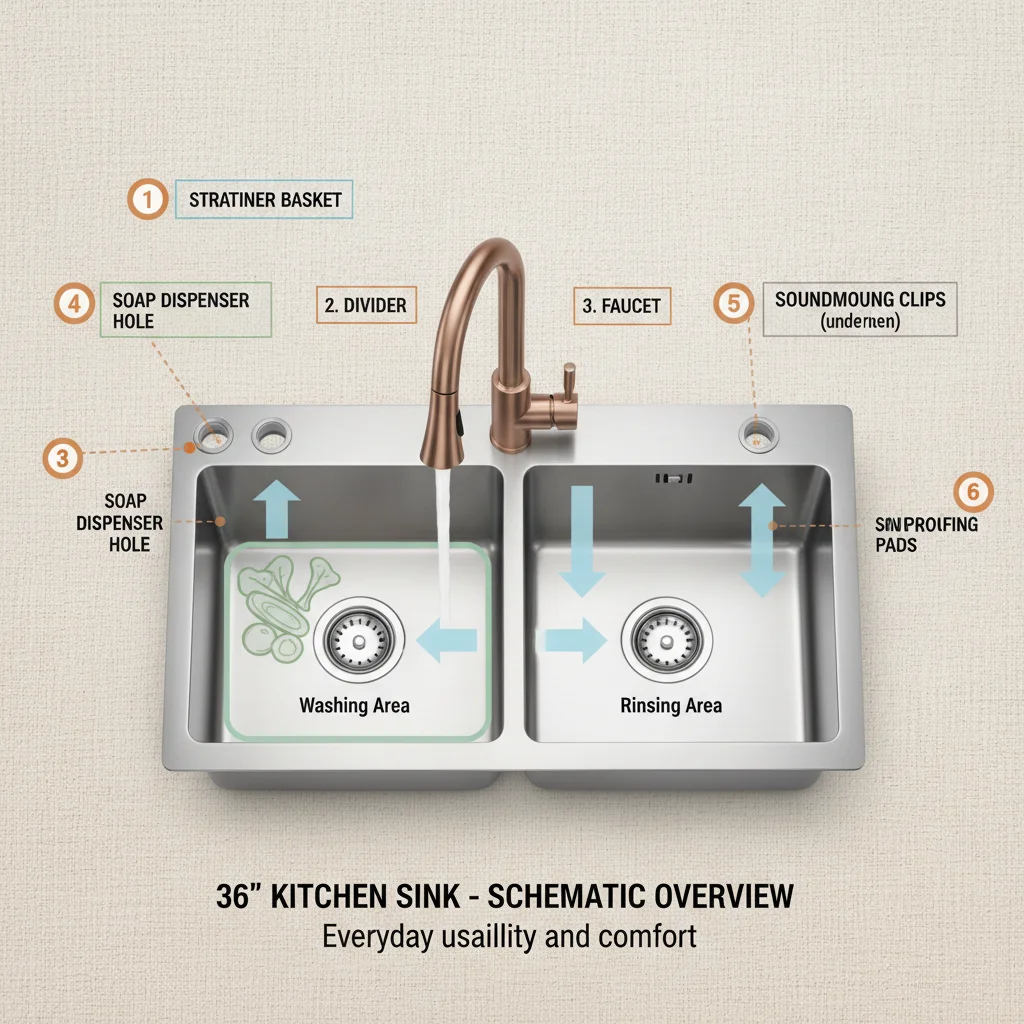
Beneath the surface aesthetics of any high-quality kitchen sink lies a sophisticated interplay of material science and precision engineering. For a top mount single bowl kitchen sink, these technical specifications are paramount to its durability, performance, and longevity. The most common material, stainless steel, is graded by its composition, with 304 stainless steel being the industry standard for its excellent corrosion resistance and robust strength. For coastal regions or environments with high chloride exposure, 316 stainless steel offers even superior resistance, though it comes at a premium. Gauge thickness is another critical factor; typically ranging from 16-gauge to 20-gauge, lower numbers indicate thicker steel. A 16-gauge sink, for instance, offers superior dent resistance and structural rigidity compared to a 18-gauge or 20-gauge model, significantly contributing to its lifespan and noise reduction capabilities. Speaking of noise, advanced sound dampening technologies are now standard features. These typically involve thick rubber pads strategically applied to the sink's underside, coupled with a protective undercoating that not only reduces noise from water impact and dish rattling but also helps maintain water temperature in the basin and prevents condensation. A premium sink often boasts soundproofing material covering 80% or more of the sink's exterior surface area, drastically reducing operational noise by up to 30 decibels compared to untreated sinks. The finish of the stainless steel, whether brushed satin, polished, or a unique PVD (Physical Vapor Deposition) coating, also plays a role in both aesthetics and scratch resistance. Brushed finishes are generally preferred for their ability to camouflage minor scratches and reduce glare. Drainage systems are meticulously designed, often featuring slightly sloped bottoms towards the drain opening (typically 2-3 degrees) to prevent water pooling. Corner radius – the curvature of the sink's interior corners – affects both aesthetics and ease of cleaning; tighter radii (e.g., 10mm or less) offer a more contemporary look but can be slightly harder to clean than larger radii. Some manufacturers even integrate innovative offset drains or rear-set drains to maximize usable basin space and cabinet storage below. Collectively, these engineering choices dictate not just how a sink looks, but how it performs under daily rigorous use, ensuring it remains a functional centerpiece for years.
A Head-to-Head: Comparing Leading Top Mount Sink Manufacturers
When selecting a top mount single bowl kitchen sink, the choice of manufacturer can significantly impact everything from the product's longevity to its aesthetic integration and overall value. The market is populated by numerous brands, each with unique selling propositions and varying levels of quality and innovation. To provide clarity, let's examine a comparison of some prominent manufacturers based on key technical specifications and features. This comparative analysis highlights that while core functionality is similar, crucial differences in material science, construction, and value-added features differentiate the leaders. For instance, Brand A might prioritize heavy-gauge steel and superior sound dampening, targeting the premium segment, while Brand C focuses on affordability and a broader range of aesthetic options, appealing to budget-conscious renovators. Brand D, on the other hand, might excel in innovative accessories and specialized finishes, catering to design-focused consumers. Understanding these distinctions is crucial for making an informed decision that aligns with your specific needs, budget, and kitchen design aspirations. The table below illustrates how different manufacturers position their products in the competitive landscape.
Manufacturer | Material Grade | Gauge Thickness | Sound Dampening | Warranty (Years) | Key Features/Innovation | Price Range ($) |
Brand A (Premium) | 304 Stainless Steel | 16-Gauge | Heavy pads & undercoating (90% coverage) | Limited Lifetime | Offset drain, R10 corners, scratch-resistant finish | 300-800 |
Brand B (Mid-Range) | 304 Stainless Steel | 18-Gauge | Pads & undercoating (70% coverage) | Limited Lifetime | Standard rear-set drain, brushed finish | 200-500 |
Brand C (Value) | 304 Stainless Steel | 20-Gauge | Partial pads | 10 Years | Variety of sizes, simple installation, economic | 100-300 |
Brand D (Innovative) | 304/316 Stainless Steel | 16-Gauge | Advanced noise reduction + anti-condensation | Limited Lifetime | Integrated ledges for accessories, PVD finishes | 400-1000 |
This table offers a snapshot, but deeper research into specific models, customer reviews, and local availability is always recommended. Ultimately, the best manufacturer for you will depend on a nuanced evaluation of your functional requirements, aesthetic preferences, and investment parameters.
Crafting Your Culinary Hub: Customization Beyond the Standard
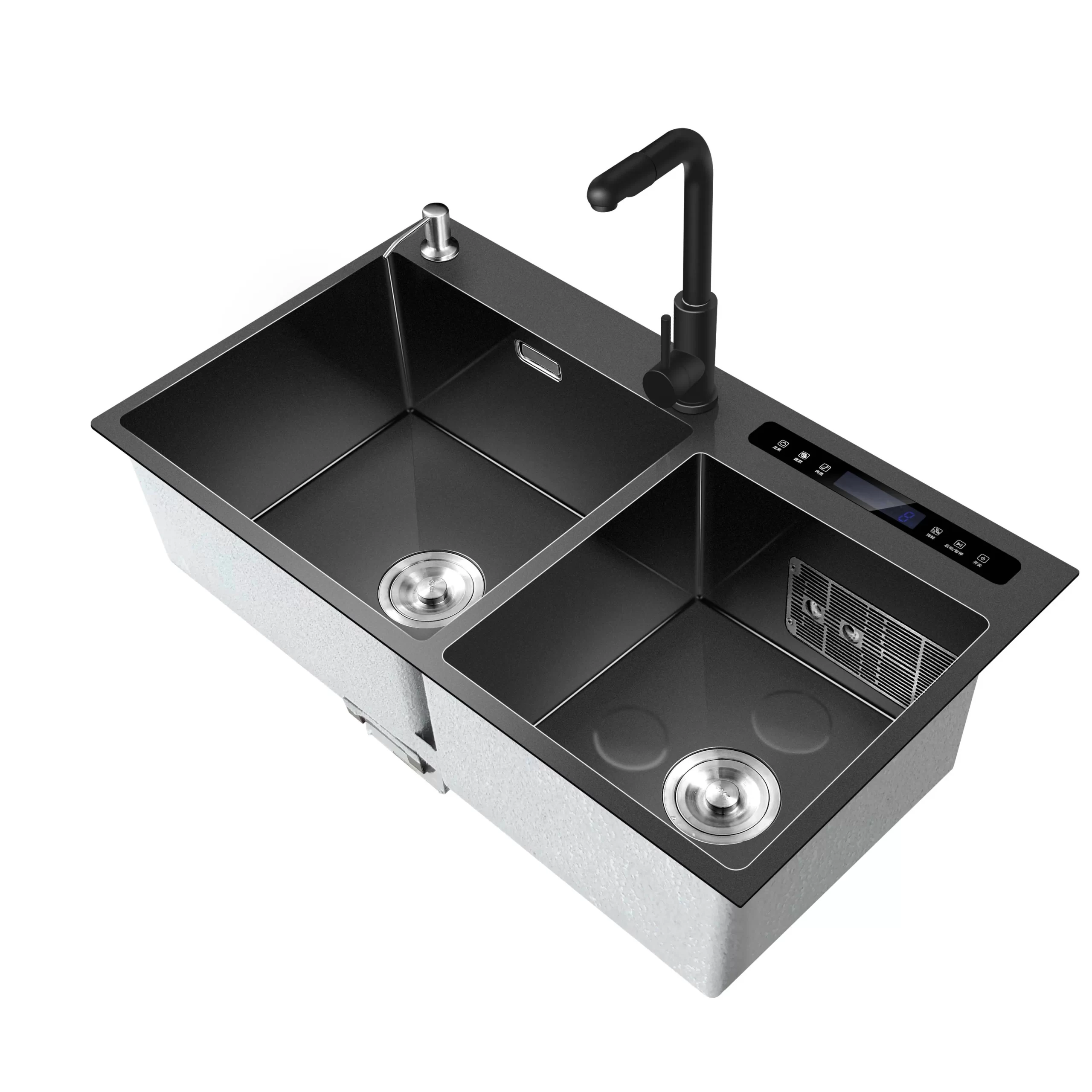
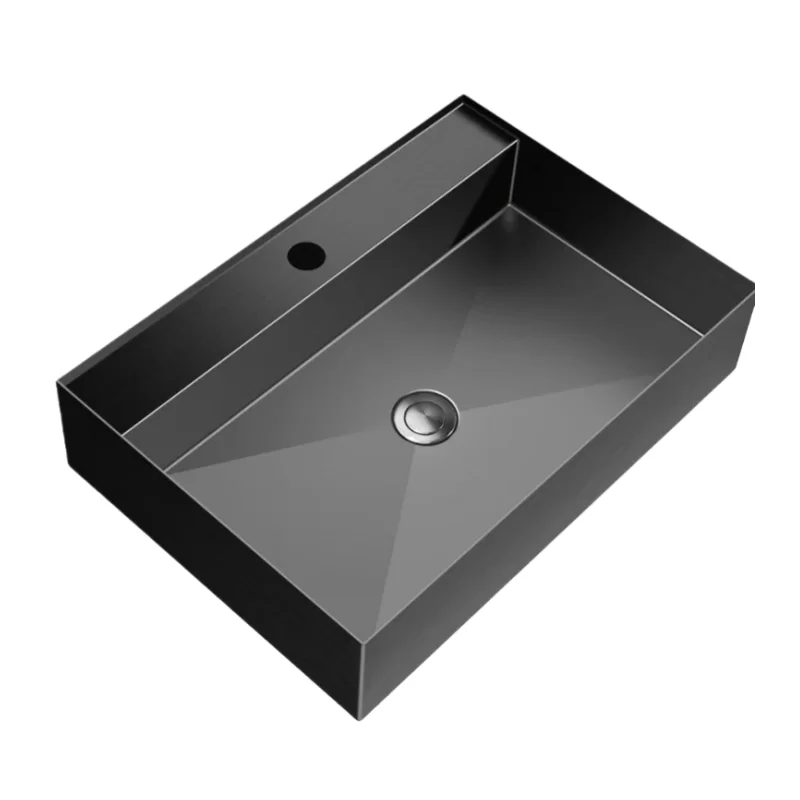
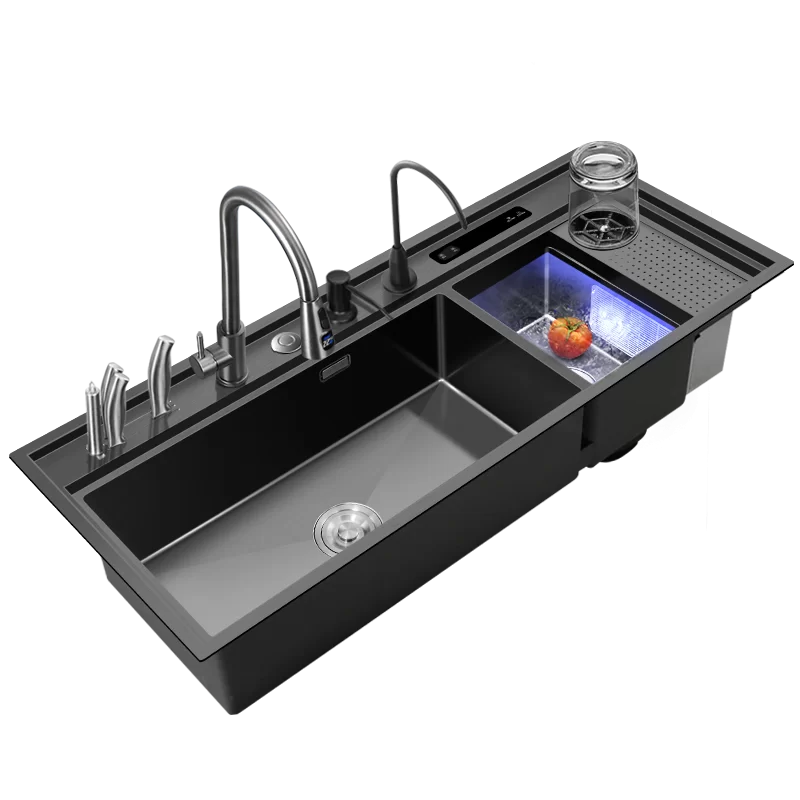
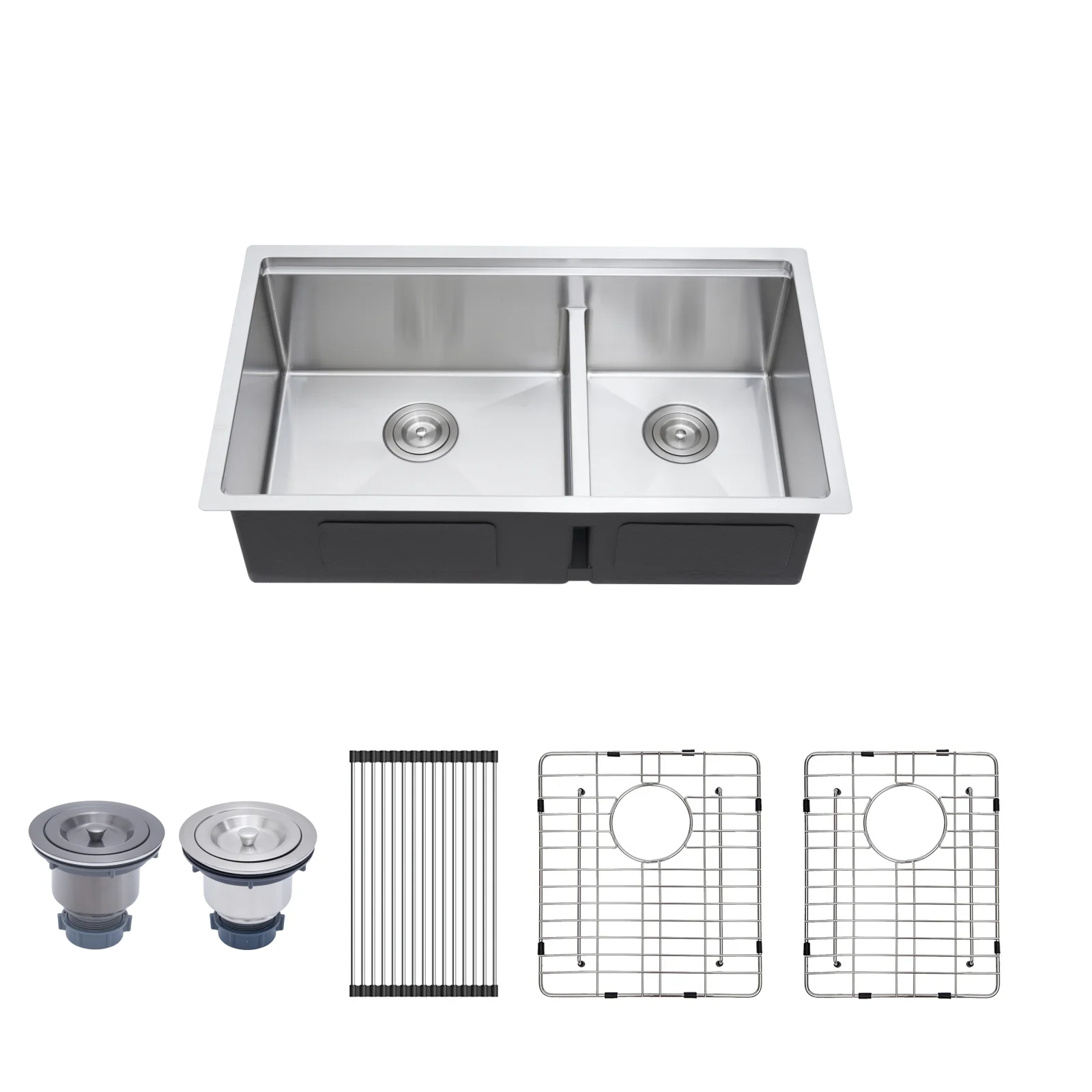
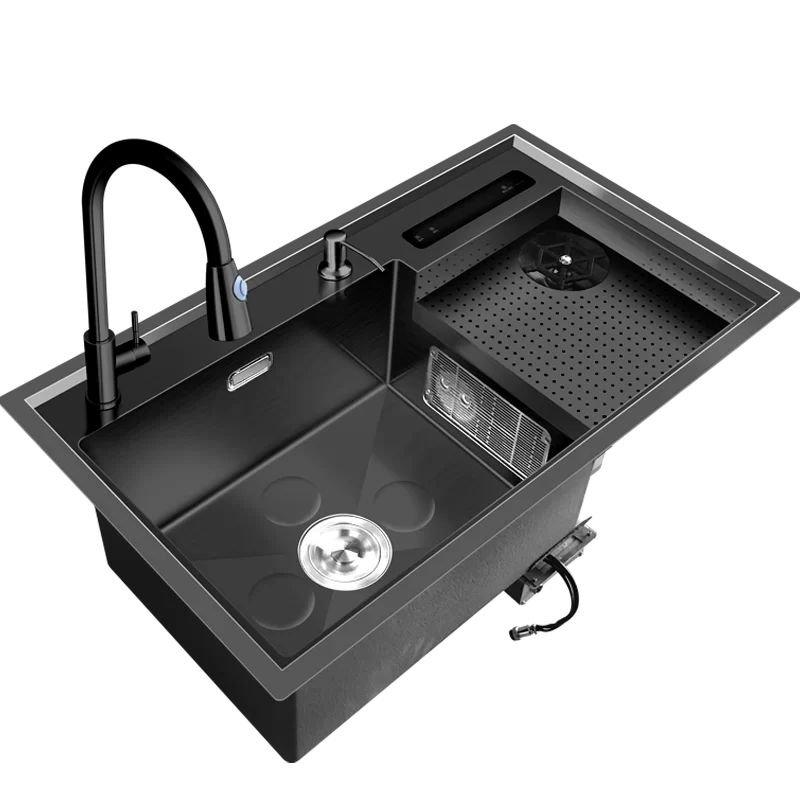
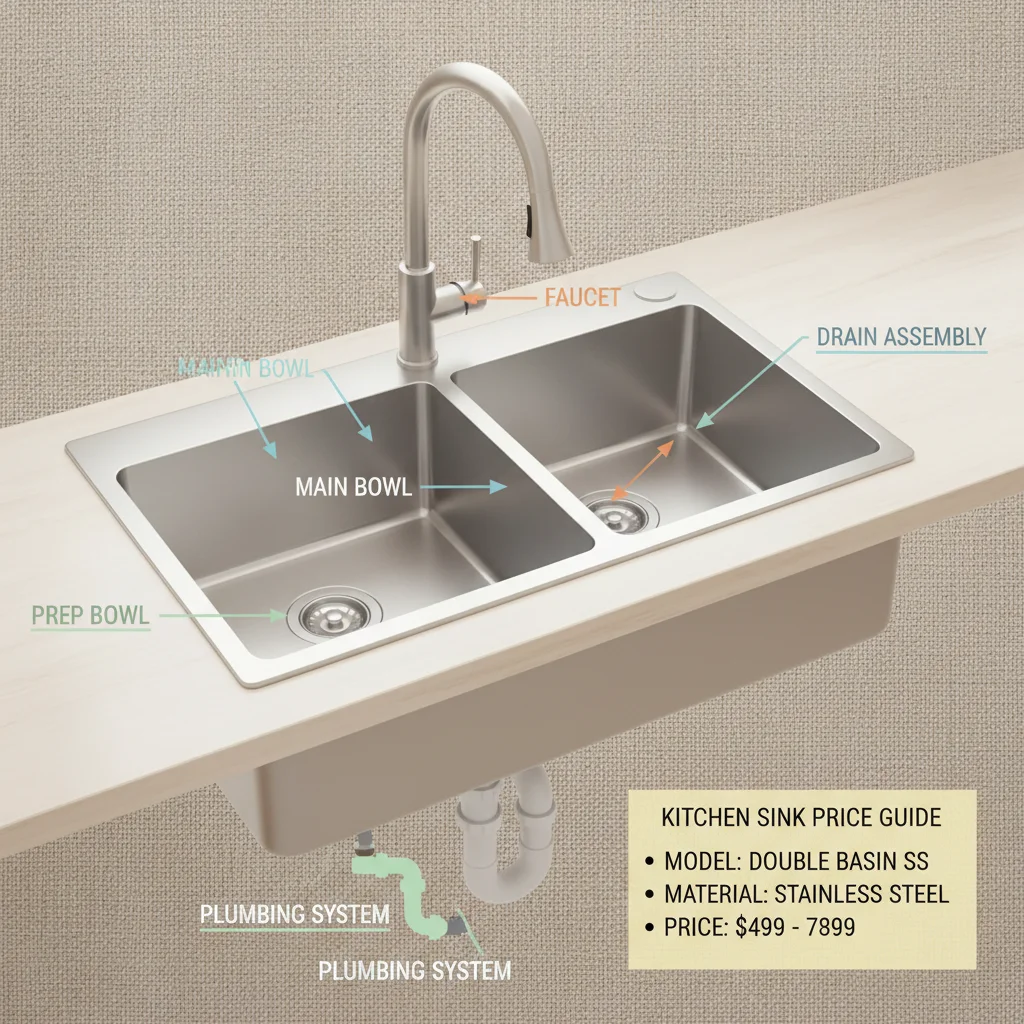
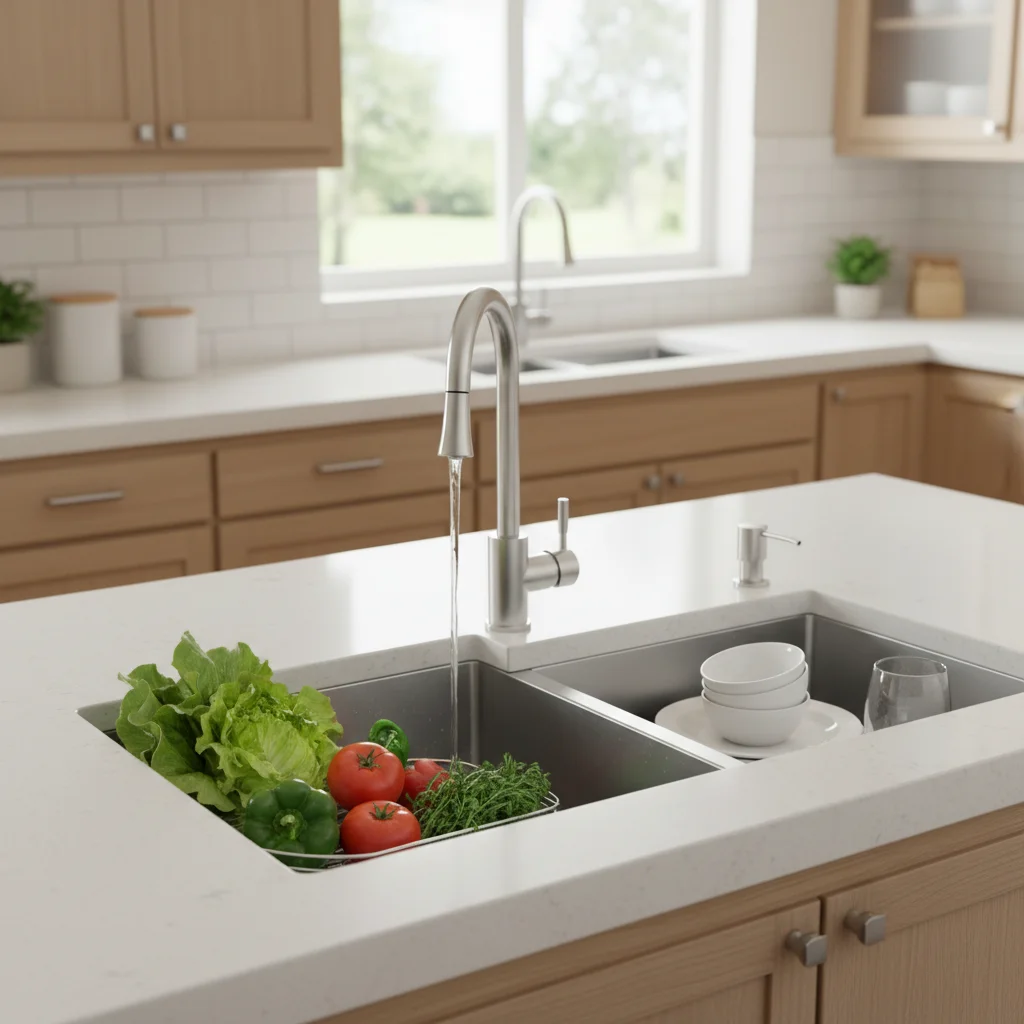
While the inherent design of a top mount single bowl kitchen sink offers significant advantages, modern manufacturing has pushed the boundaries of customization, allowing homeowners to truly craft a culinary hub tailored to their specific needs and aesthetic vision. Beyond the fundamental choice of material and gauge, a myriad of options exist to personalize your sink, transforming it from a mere fixture into a highly integrated workstation. One of the most significant advancements is the incorporation of integrated ledges, which allow custom-fit accessories like cutting boards, colanders, and drying racks to slide across the sink basin. This brilliant innovation maximizes countertop space and streamlines food preparation, allowing you to chop vegetables, rinse fruits, and drain pasta directly over the sink, containing mess and enhancing efficiency. Some high-end models even feature multiple ledges, accommodating a stacked system of accessories. Drain placement is another area of subtle but impactful customization. While many sinks feature a central drain, rear-set or offset drains free up valuable under-sink cabinet space, making room for larger garbage disposals or more organized storage of cleaning supplies. Specific drain covers, such as those that sit flush with the sink bottom or feature a basket strainer, offer both aesthetic appeal and enhanced functionality in preventing clogs. The choice of finish extends beyond the standard brushed satin stainless steel; options like polished, matte, and various PVD (Physical Vapor Deposition) coatings can introduce unique color tones – from gunmetal to bronze – providing a distinct visual statement that complements your kitchen hardware and faucet. For those seeking even greater utility, some manufacturers offer sinks with pre-drilled holes for specific accessories like soap dispensers, instant hot water taps, or filtered water faucets, reducing the need for additional countertop drilling. Furthermore, the selection of an appropriate faucet, whether a pull-down sprayer, a touch-activated model, or a high-arc design, acts as a pivotal element in completing the customized sink experience. From anti-scratch coatings to specialized sound-dampening composites, these customization options empower consumers to move beyond generic solutions, creating a kitchen sink that is not just functional but genuinely reflective of their lifestyle and culinary demands.
Real-World Applications: Transforming Kitchens Across Diverse Settings
The versatility of the top mount single bowl kitchen sink extends far beyond its technical specifications, proving its value in a multitude of real-world kitchen applications. Its adaptability makes it an ideal choice for a diverse array of settings, from compact urban apartments to expansive suburban homes and even bustling professional environments. In a small apartment or condominium, where every inch of counter space is precious, a single bowl top mount sink maximizes the functional area, often serving as a multi-purpose zone for washing, prepping, and even temporary dish drying. Its easy installation also appeals to renters or those seeking budget-friendly renovations, providing a significant upgrade without extensive modifications. For the bustling family home, the large basin proves invaluable. Imagine a Sunday dinner where multiple pots and pans need soaking, or a baking session that leaves a pile of mixing bowls and cookie sheets. The single bowl accommodates all these without a hitch, simplifying the cleanup process and preventing frustration. Parents often appreciate the ability to bathe small children or pets directly in the spacious basin, adding another layer of practical utility. In a professional or semi-professional kitchen setting, such as a catering business or a home chef’s dedicated prep area, the robust construction and generous dimensions of a high-quality single bowl top mount sink are critical. It can handle continuous heavy use, hot pots, and commercial-grade cleaning, acting as the primary workstation for washing large quantities of ingredients or oversized cooking equipment. Recent case studies illustrate this adaptability: a modern minimalist kitchen used a deep 16-gauge single bowl with an integrated ledge system to maintain clean lines and functional efficiency, while a rustic farmhouse remodel incorporated a large, apron-front style top mount single bowl, blending traditional aesthetics with modern utility. Developers of multi-unit residential buildings frequently opt for top mount sinks due to their cost-effectiveness and ease of replacement, offering tenants a reliable and spacious sink solution. The inherent design facilitates both straightforward installation and future maintenance, translating into long-term savings and enduring satisfaction for end-users across various kitchen sizes and styles. This broad appeal underscores its status as a foundational element in contemporary kitchen design and functionality.
The Smart Choice: Why a Top Mount Single Bowl Kitchen Sink Remains a Favorite
In conclusion, the enduring popularity of the top mount single bowl kitchen sink is not merely a trend, but a testament to its compelling blend of practicality, aesthetic flexibility, and cost-effectiveness. From its straightforward installation that saves both time and money, to its expansive, undivided basin that simplifies the most demanding kitchen tasks, this sink design consistently delivers superior functionality. The technical advancements in material science, gauge thickness, and sound dampening technologies ensure that modern top mount sinks are not just visually appealing but are also built to withstand years of rigorous use, resisting dents, corrosion, and noise. As demonstrated through our manufacturer comparison, there’s a high-quality top mount option available for every budget and preference, ranging from robust, feature-rich premium models to reliable, value-oriented choices. Furthermore, the increasing scope for customization, including integrated ledges, specialized finishes, and versatile drain placements, empowers homeowners to create a truly personalized culinary workstation that seamlessly integrates with their lifestyle. Whether outfitting a compact urban dwelling or a sprawling family kitchen, the single bowl top mount proves its mettle by adapting to diverse application scenarios, enhancing efficiency and minimizing clutter. It streamlines daily routines, from soaking large pots to preparing extensive meals, making it an indispensable asset in any culinary space. Ultimately, choosing a top mount single bowl kitchen sink is a pragmatic decision that offers substantial long-term value, marrying traditional ease of installation with contemporary design and unparalleled utility. It represents a smart investment in the heart of your home, promising years of reliable service and understated elegance.
Frequently Asked Questions about Top Mount Single Bowl Kitchen Sinks
1. What is the primary advantage of a top mount single bowl kitchen sink over an undermount or double bowl sink?
The primary advantage of a top mount single bowl sink is its ease of installation and typically lower cost, as it drops into a pre-cut hole with its rim resting on the countertop. Compared to double bowls, the single, undivided basin offers significantly more space for washing large pots, pans, and baking sheets.
2. What gauge stainless steel is best for a top mount single bowl sink?
For optimal durability and noise reduction, a 16-gauge stainless steel sink is generally considered best. 18-gauge is a good mid-range option, while 20-gauge sinks are more economical but may be more susceptible to dents and noise.
3. How do I choose the right size top mount single bowl kitchen sink for my kitchen?
Measure the available cabinet space below the sink and the countertop cutout dimensions. Consider your typical usage: if you frequently wash large items, opt for the largest possible basin that fits your space. Standard depths range from 9 to 10 inches, but deeper options are available.
4. Are top mount single bowl sinks difficult to clean?
Generally, no. The large, undivided basin makes cleaning straightforward. Look for sinks with a slightly sloped bottom to ensure proper drainage and a reasonable corner radius (e.g., R10-R15) for easier cleaning of corners compared to perfectly sharp (R0) corners.
5. Can I install a garbage disposal with a top mount single bowl kitchen sink?
Yes, most top mount single bowl sinks are fully compatible with garbage disposals. Ensure the sink's drain opening matches the disposal's flange size, which is standard for most residential models.
6. What are some popular customization options for these sinks?
Popular customization options include integrated ledges for accessories (cutting boards, colanders), various finishes (brushed, polished, PVD coatings), rear-set or offset drains for more under-cabinet space, and pre-drilled holes for soap dispensers or instant hot water taps.
7. What is the typical lifespan of a high-quality top mount single bowl stainless steel sink?
A high-quality top mount single bowl sink made from 16- or 18-gauge 304 stainless steel, properly maintained, can last 15-25 years or even longer. Many manufacturers offer limited lifetime warranties, reflecting their confidence in product longevity.