Choosing the Right 33 Inch Sink for Your Kitchen
Selecting a new kitchen sink is a significant decision, impacting both the functionality and aesthetics of your space. A 33 inch sink offers a sweet spot in size – spacious enough for most tasks, yet fitting comfortably within standard cabinetry. This guide will explore the various types, materials, and considerations when choosing a 33-inch sink, helping you make the best choice for your kitchen needs. Finding the ideal sink can be a seamless process with the right knowledge.
Understanding Different Types of 33 Inch Sinks
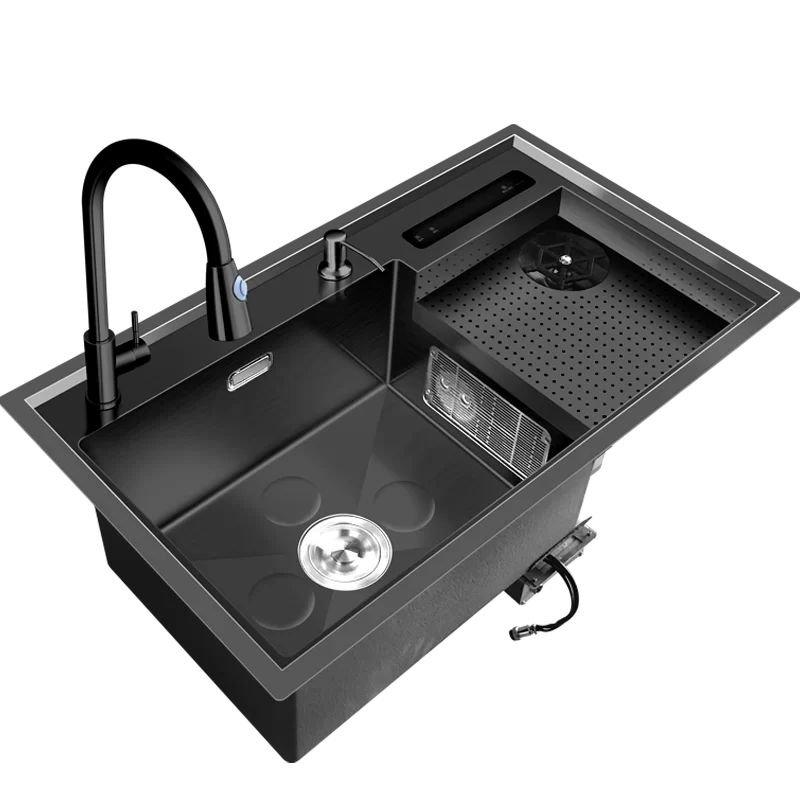
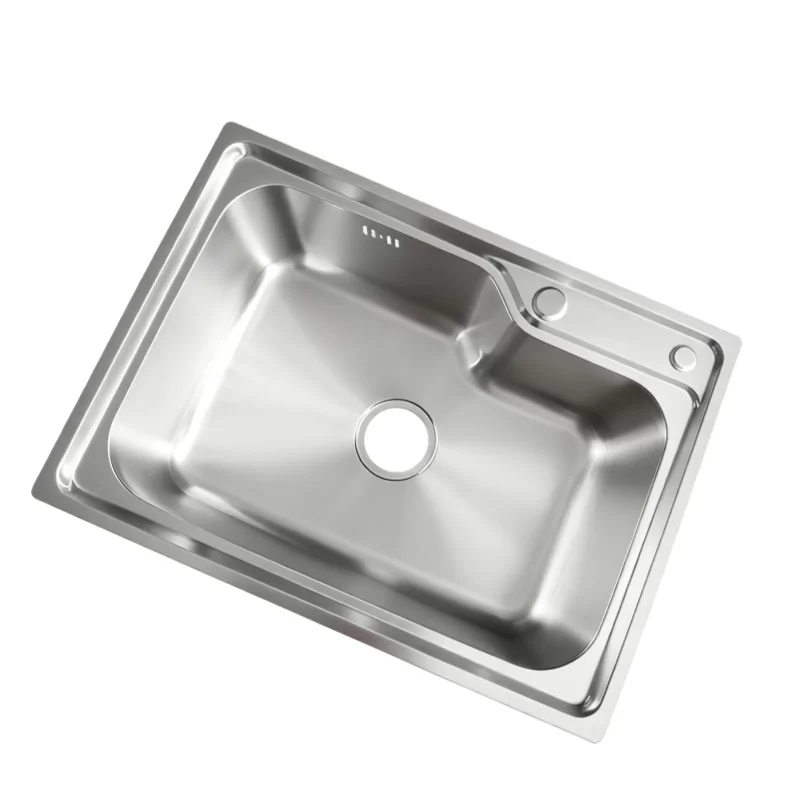
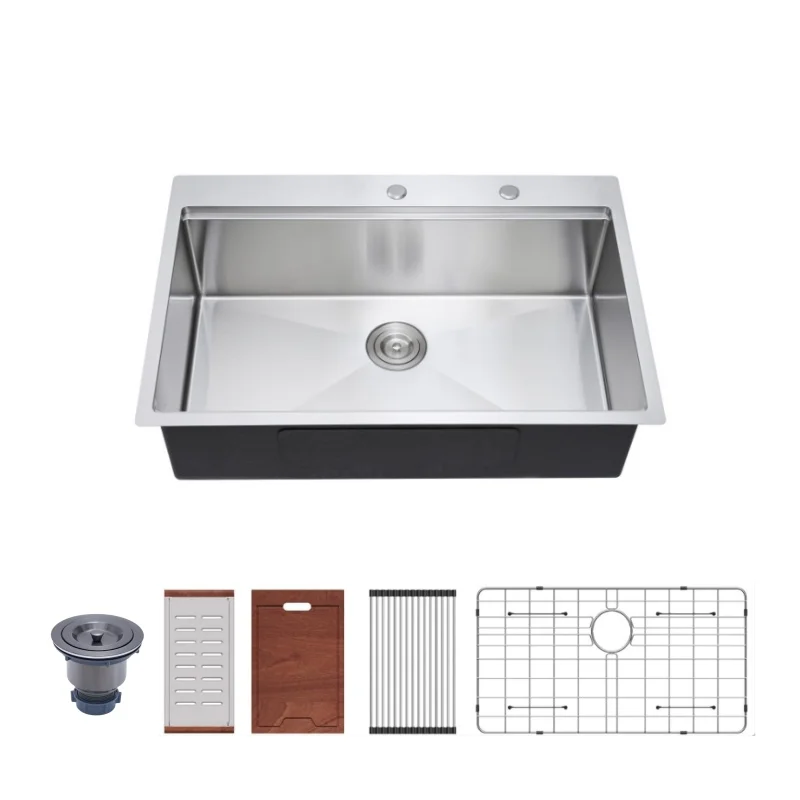
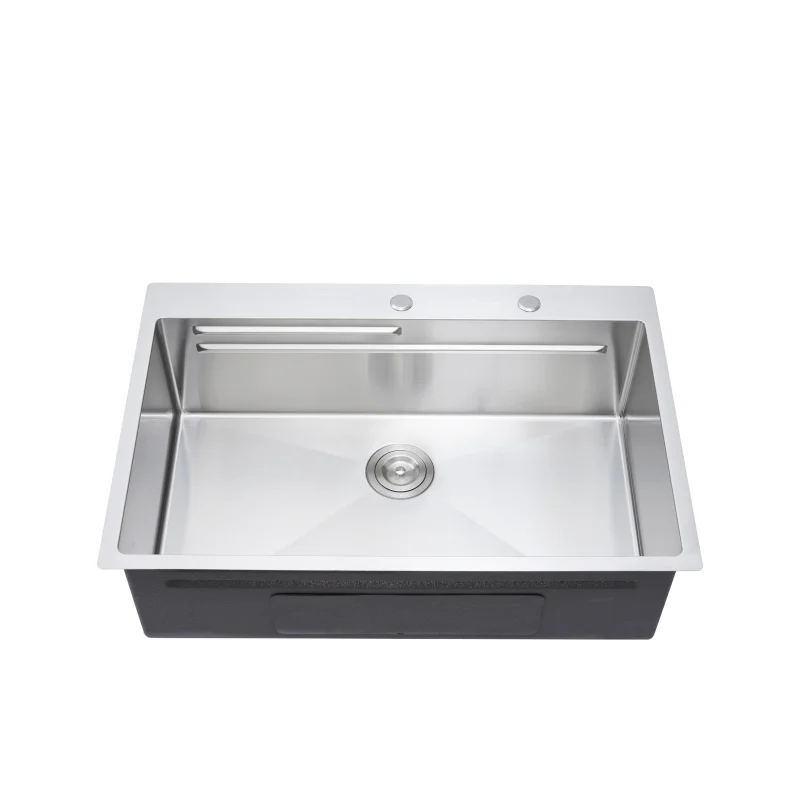
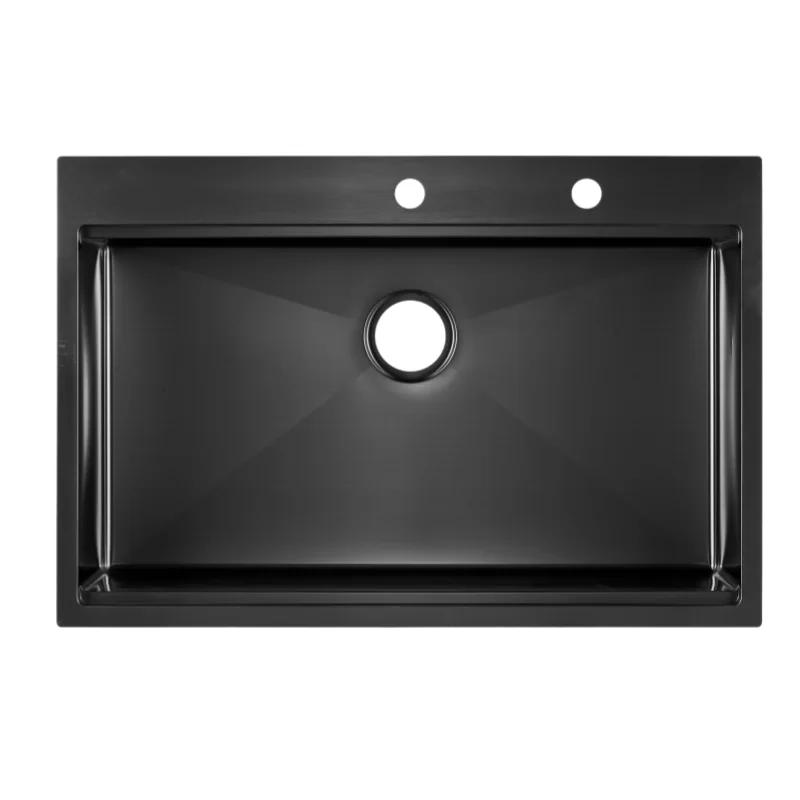
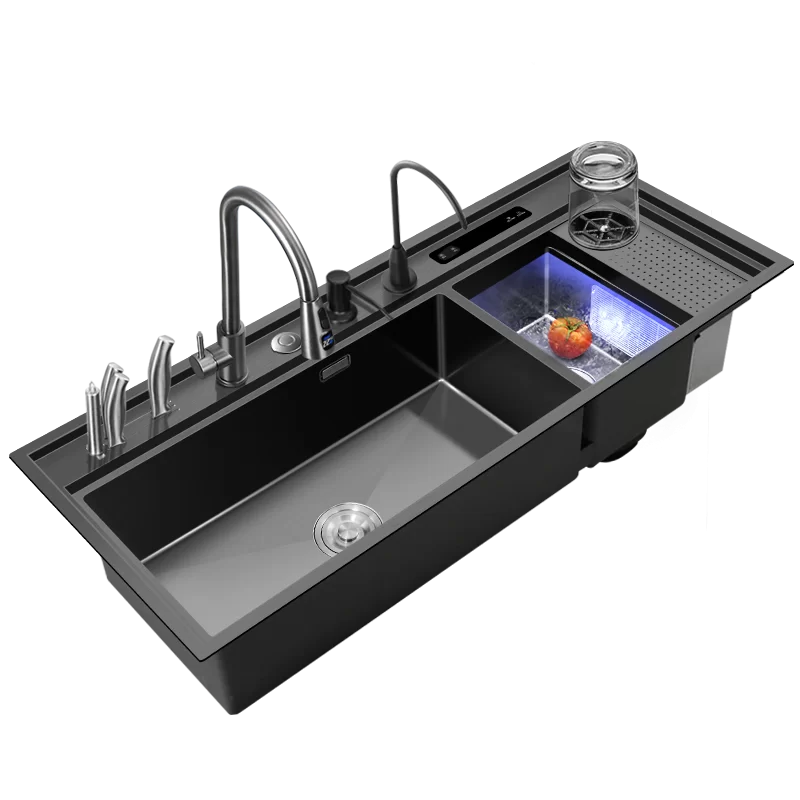
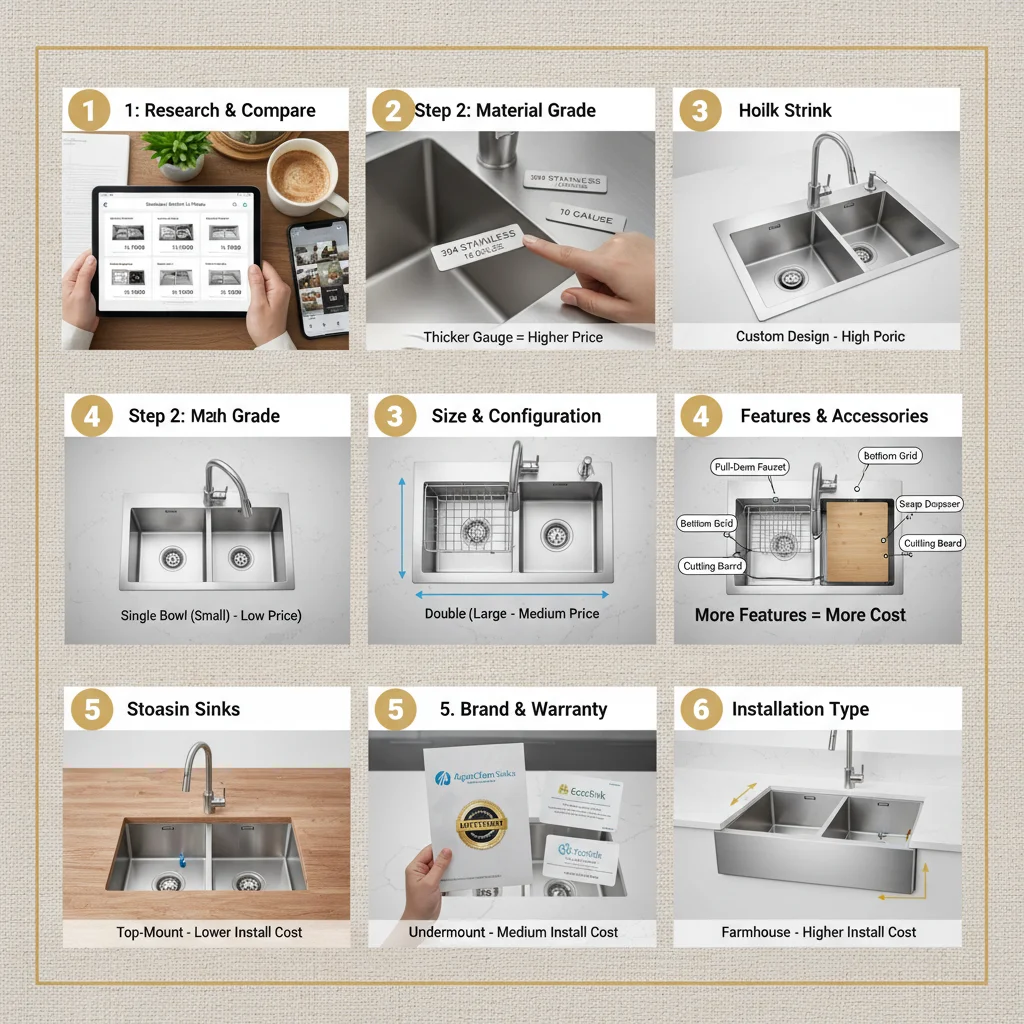
33-inch sinks are available in a variety of configurations, each with its own advantages. The most common types include undermount, top-mount (drop-in), farmhouse (apron-front), and workstation sinks. Undermount sinks provide a sleek, modern look and are easy to clean, as there’s no rim to trap debris. Top-mount sinks are simpler to install and are a good option for laminate countertops. Farmhouse sinks offer a classic, rustic style with a large basin, while workstation sinks feature integrated accessories like cutting boards and drainers. Considering your countertop material and desired aesthetic is key to selecting the right type. Yashite Sink offers a diverse selection of 33-inch sinks to suit any kitchen design.
Key Highlights: The best type of 33-inch sink depends on your kitchen’s style, your countertop material, and your preferred cleaning routine.
Material Matters: Comparing Sink Materials for a 33 Inch Sink
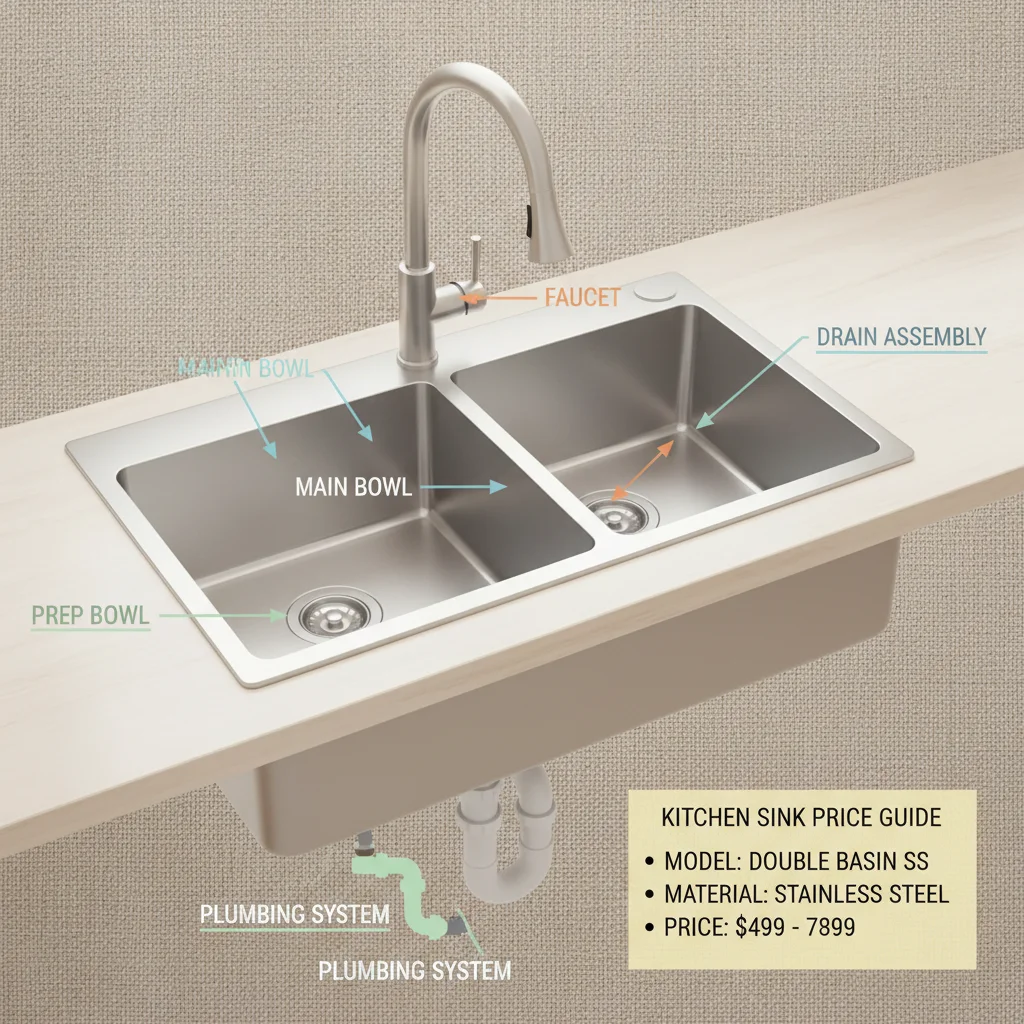
The material of your 33-inch sink significantly impacts its durability, appearance, and maintenance requirements. Stainless steel is a popular choice due to its affordability, durability, and resistance to rust. Composite granite (quartz composite) offers a sleek, modern look and is highly resistant to scratches and stains. Fireclay is a durable, classic option often used in farmhouse sinks. Cast iron, coated with enamel, provides excellent heat retention and a traditional aesthetic. Each material has its pros and cons, so carefully consider your needs and budget.
Material Comparison:
• Stainless Steel: Durable, affordable, easy to clean.
• Composite Granite: Scratch & stain resistant, modern look.
• Fireclay: Durable, classic, ideal for farmhouse styles.
• Cast Iron: Heat retention, traditional aesthetic.
33 Inch Sink Configuration: Single vs. Double Bowl
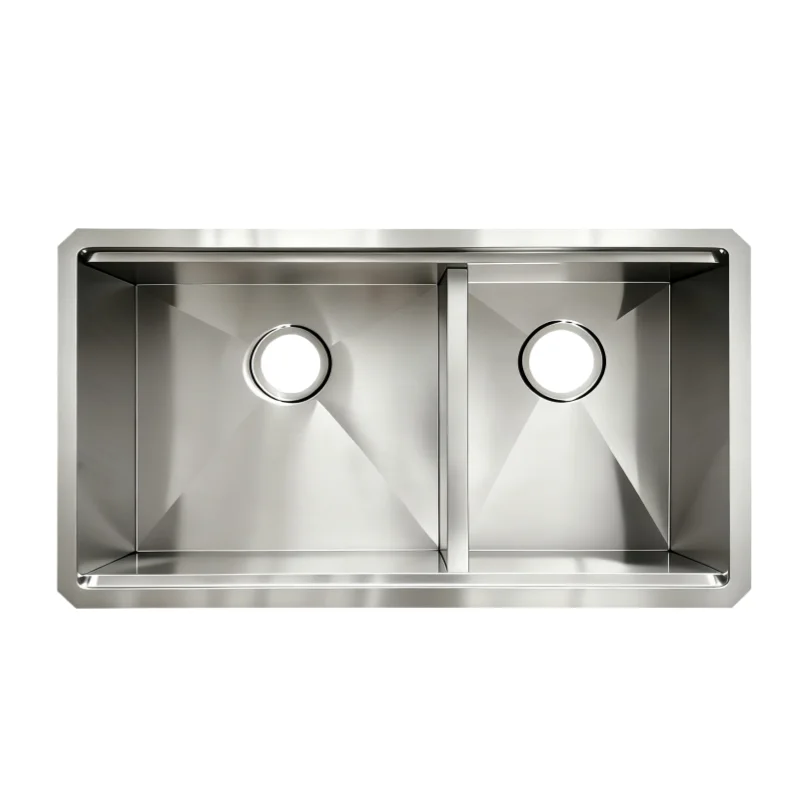
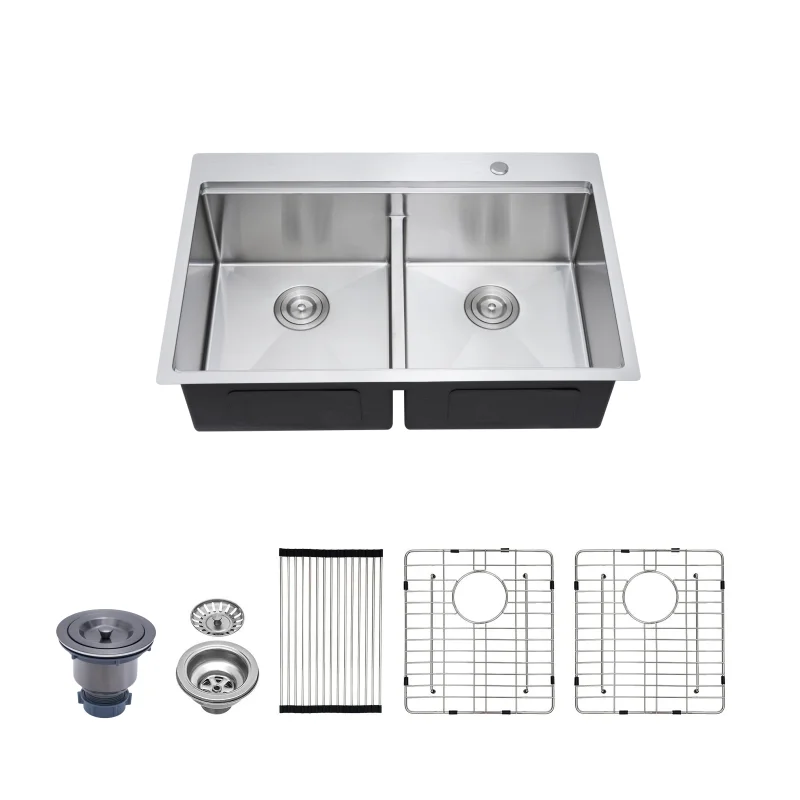
Another crucial consideration is whether to choose a single-bowl or double-bowl 33-inch sink. Single-bowl sinks offer more usable space for washing large pots and pans. Double-bowl sinks provide greater versatility, allowing you to wash dishes on one side while rinsing on the other or separating clean and dirty dishes. The best option depends on your cooking habits and dishwashing preferences. If you frequently cook large meals, a single-bowl sink might be more practical. If you often hand-wash dishes, a double-bowl sink can streamline the process.
| Feature |
Single Bowl |
Double Bowl |
| Usable Space |
Larger, ideal for big items |
Divided, allows for multitasking |
| Versatility |
Limited, focused on large items |
Higher, washing & rinsing simultaneously |
| Cleaning |
Easier, single surface |
More involved, two compartments |
Budget Considerations for a 33 Inch Sink
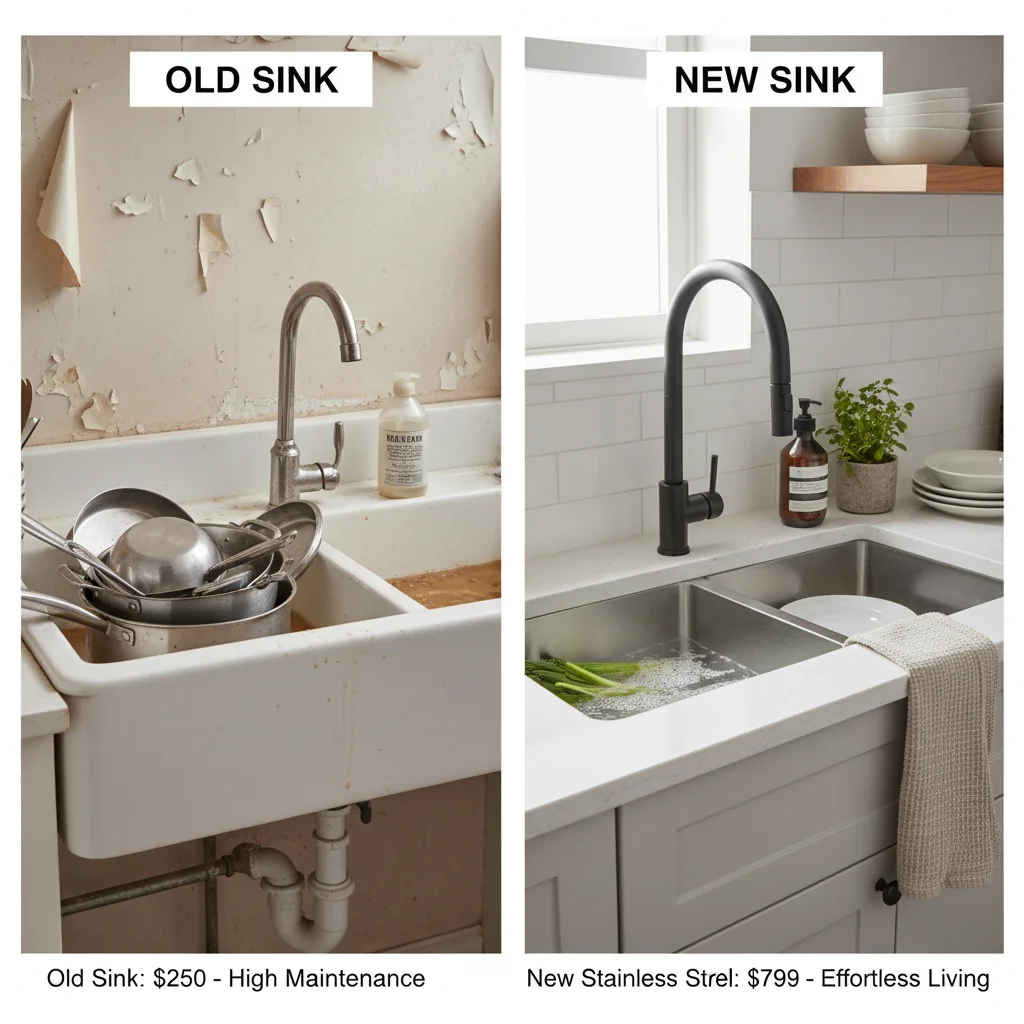
The cost of a 33-inch sink can vary significantly depending on the material, type, and brand. Stainless steel sinks are generally the most affordable, while composite granite and fireclay sinks tend to be more expensive. Farmhouse sinks often come with a higher price tag due to their unique design and installation requirements. Setting a realistic budget before you start shopping will help you narrow down your options and find a sink that fits your needs without breaking the bank. Yashite Sink offers competitive pricing on a wide range of high-quality 33-inch sinks.
Installation: DIY vs. Professional Installation
The installation process for a 33-inch sink can vary depending on the type and your existing plumbing. Top-mount sinks are generally easier to install than undermount or farmhouse sinks. If you're comfortable with basic plumbing and have the necessary tools, you might be able to install a top-mount sink yourself. However, for undermount or farmhouse sinks, or if you're unsure about any aspect of the installation, it's best to hire a professional plumber to ensure a proper and secure installation. A professional installation will also protect your warranty.
Conclusion: Finding Your Perfect 33 Inch Sink
Choosing the right 33 inch sink involves considering various factors, including type, material, configuration, budget, and installation. By carefully evaluating your needs and preferences, you can find a sink that enhances the functionality and beauty of your kitchen. Don't hesitate to explore the diverse selection available at Yashite Sink and invest in a quality sink that will last for years to come.
Frequently Asked Questions (FAQs)
What is the standard depth of a 33-inch sink?
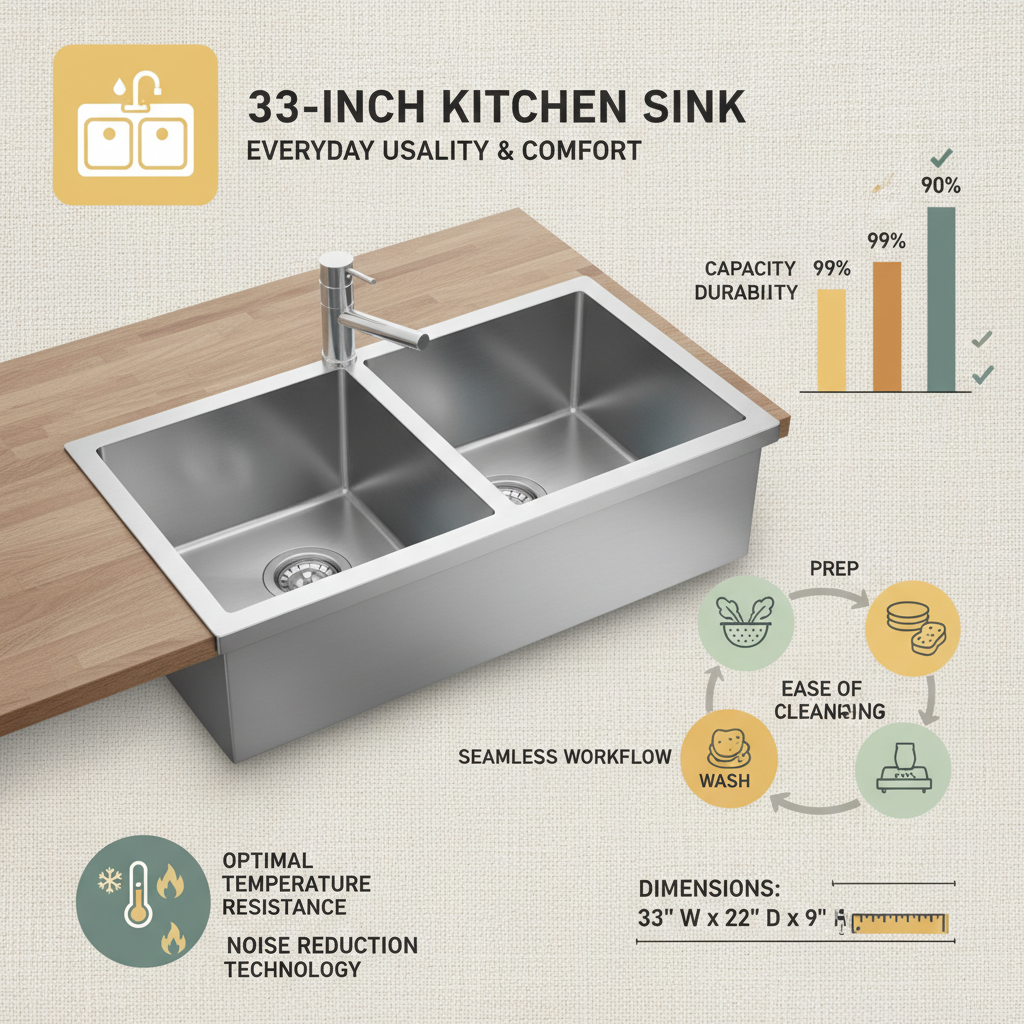
The standard depth of a 33-inch sink typically ranges between 8 and 10 inches. However, the depth can vary depending on the sink's design and style. Deeper sinks offer more space for washing large items, while shallower sinks may be more comfortable for some users. When choosing a sink, consider the depth in relation to your countertop height and personal preferences.
How do I prevent scratches on my stainless steel 33 inch sink?
To prevent scratches on your stainless steel sink, avoid using abrasive cleaners or scouring pads. Use a soft sponge or cloth with mild dish soap for regular cleaning. You can also use a stainless steel polish to help protect the surface and maintain its shine. Avoid placing sharp objects directly into the sink without a protective layer, such as a dish drying rack.
Are there sound-dampening features available for 33 inch sinks?
Yes, many 33-inch sinks come with sound-dampening features, such as pads or coatings applied to the underside of the sink. These features help reduce noise from water flow and dishwashing. This is particularly important for stainless steel sinks, which can be prone to echoing. Look for sinks that specifically advertise sound-dampening technology for a quieter kitchen experience.
What is the best way to clean a composite granite 33 inch sink?
Composite granite sinks are relatively easy to clean. Regularly wipe down the sink with mild dish soap and water. For stubborn stains, you can use a non-abrasive cleaner specifically designed for composite materials. Avoid using harsh chemicals, such as bleach or ammonia, as they can damage the sink's surface.