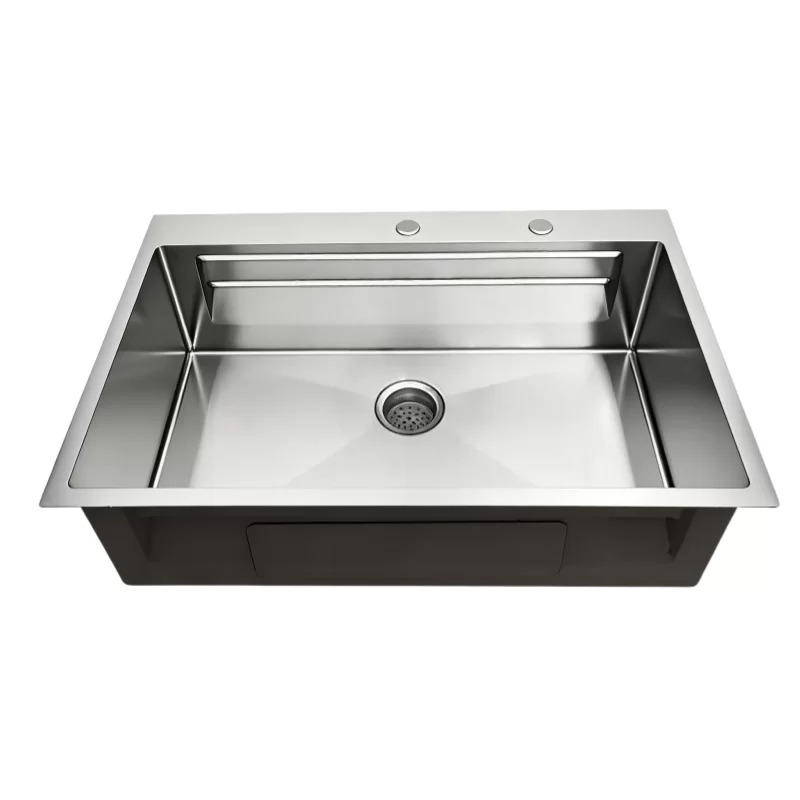
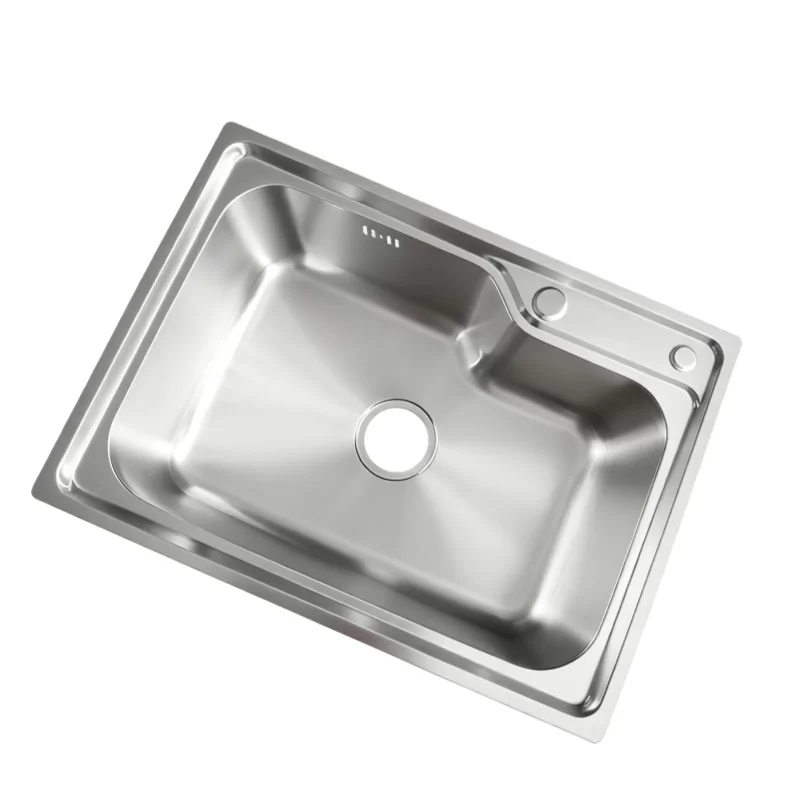
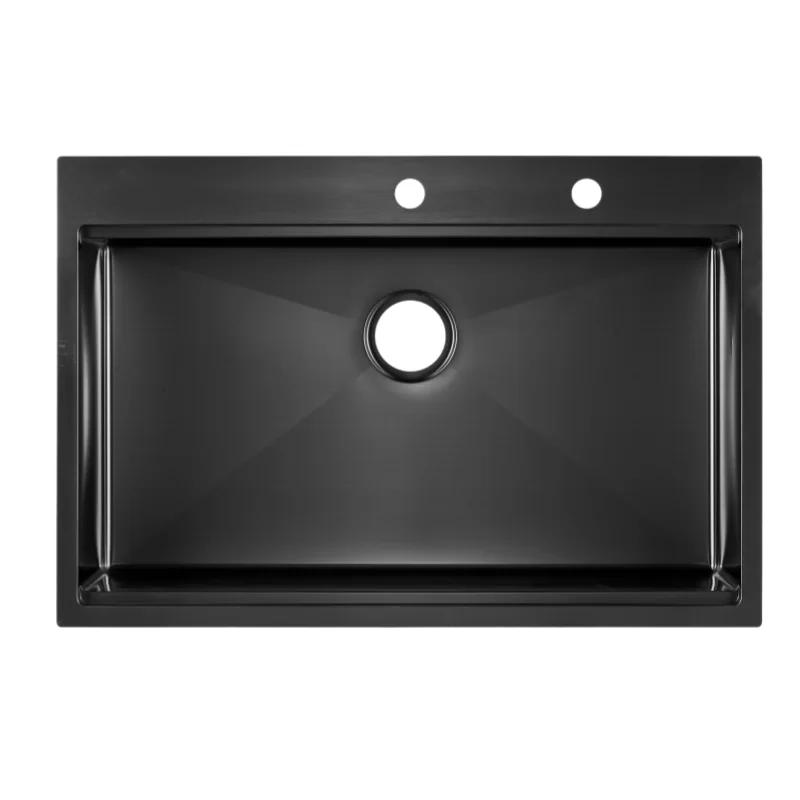
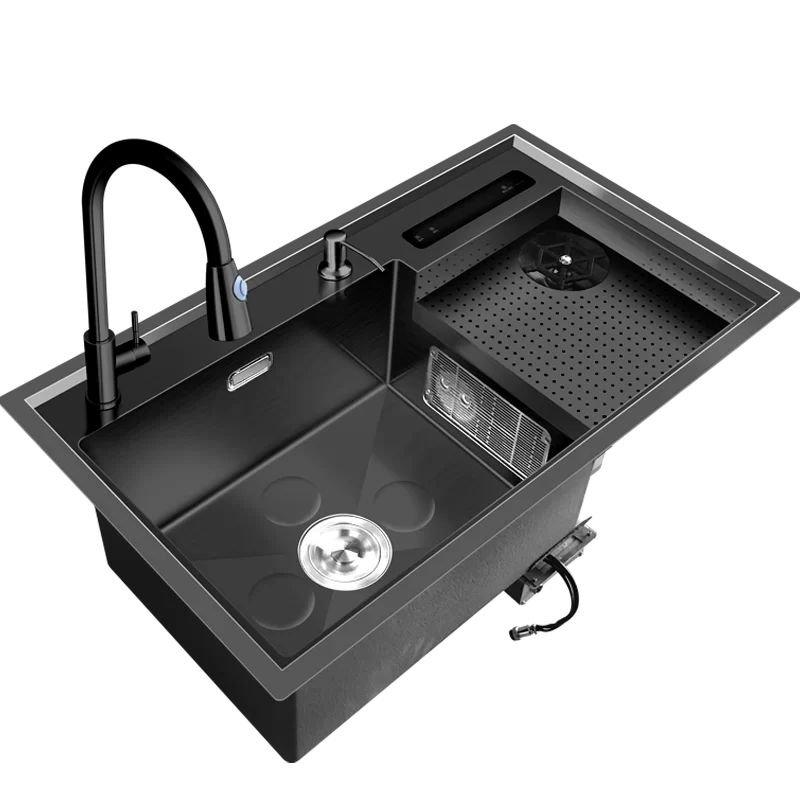
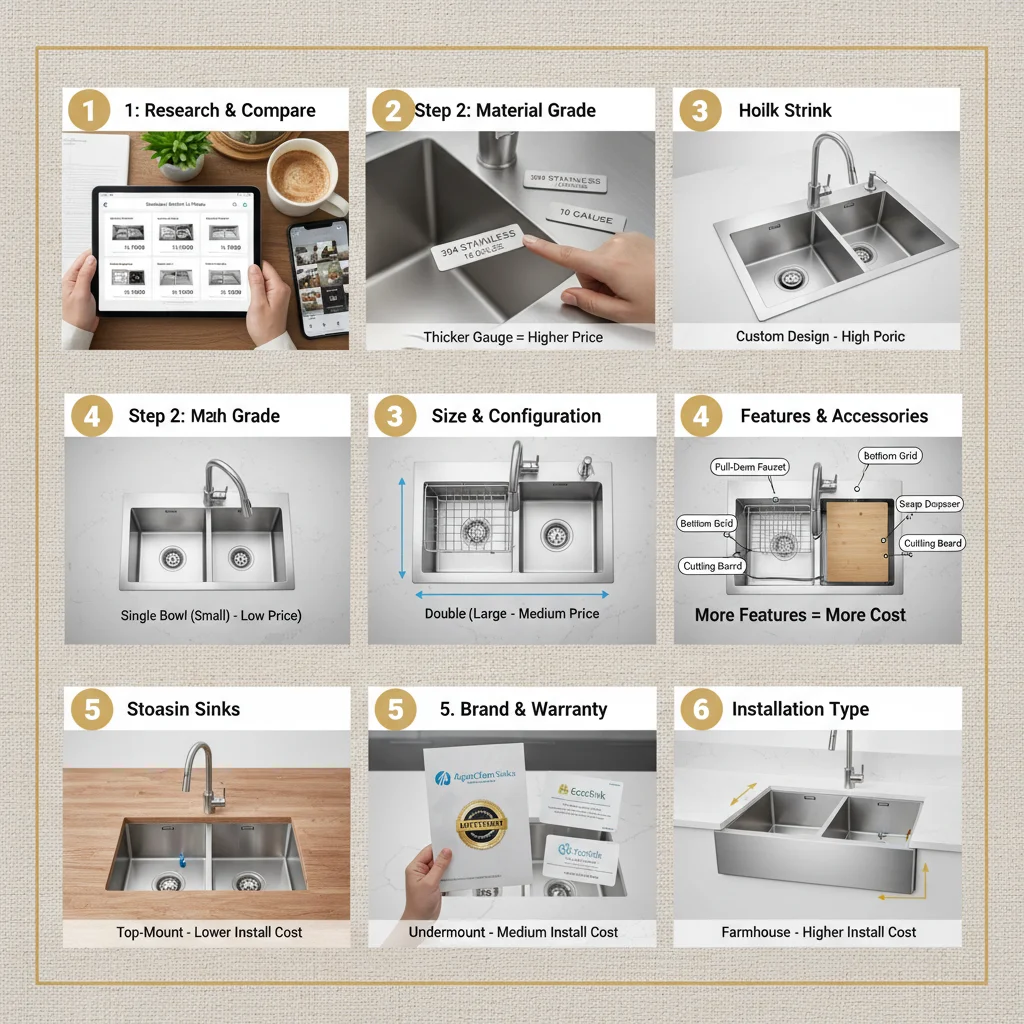
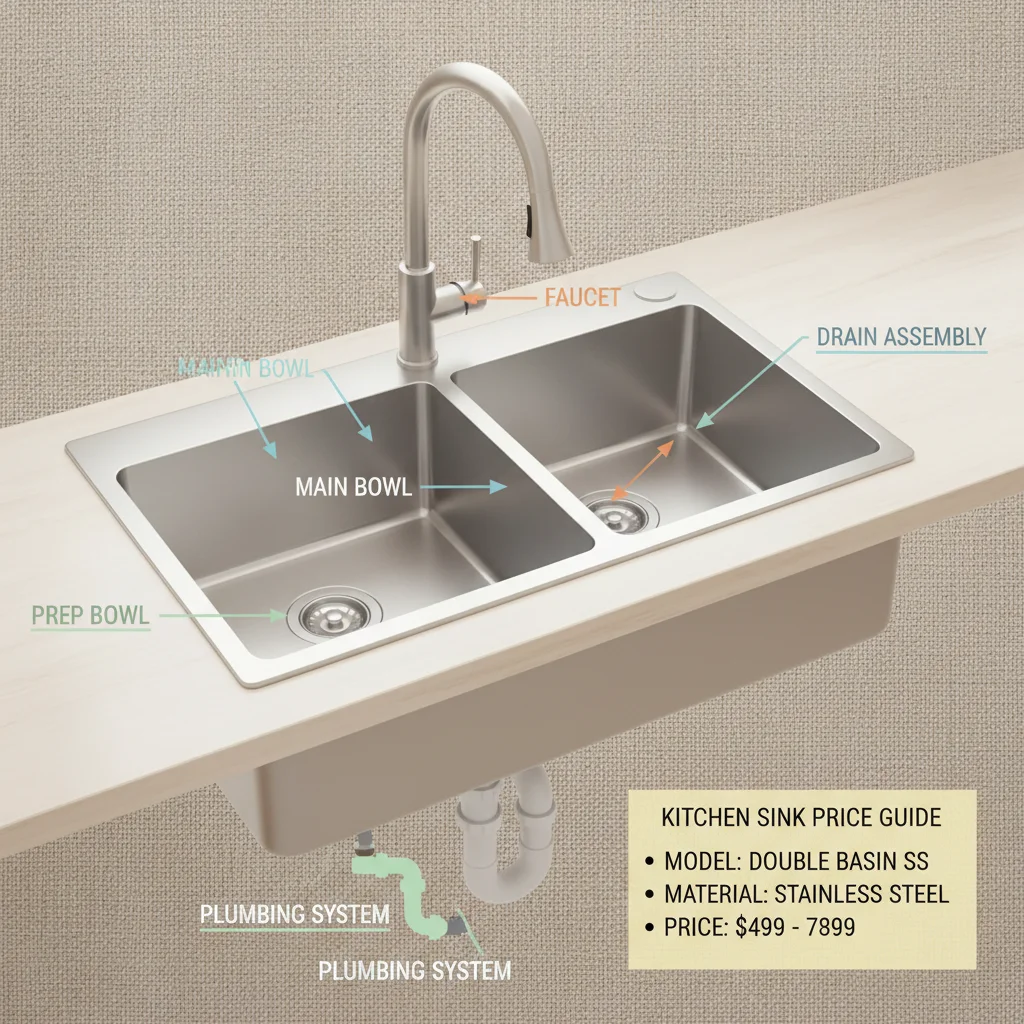
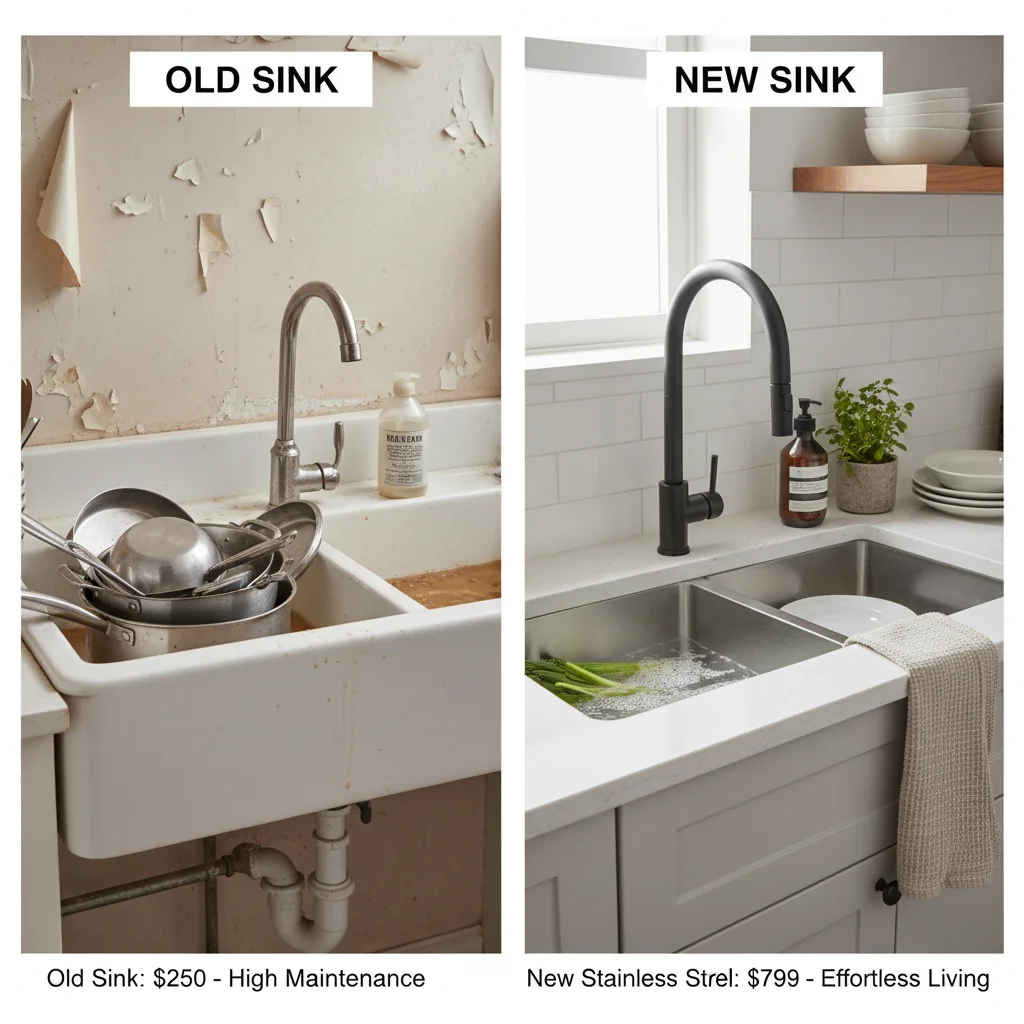
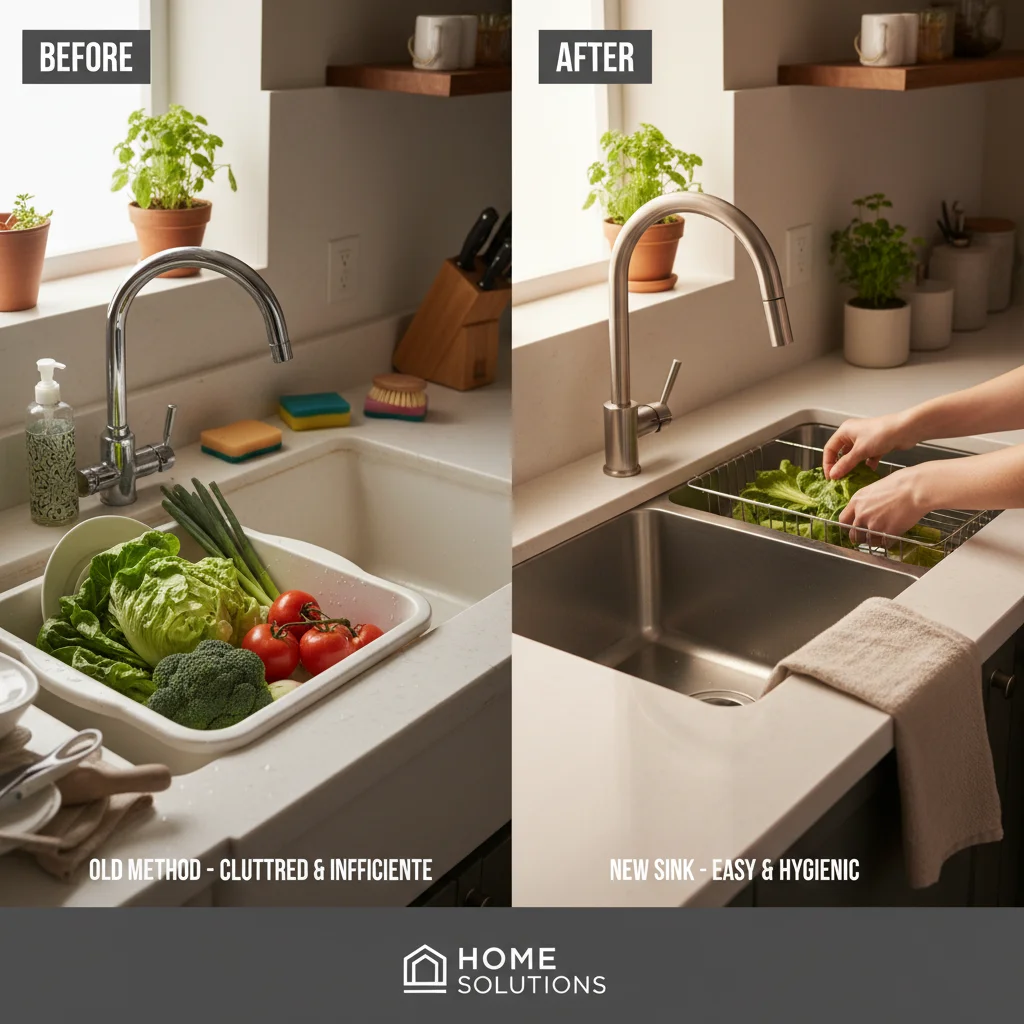
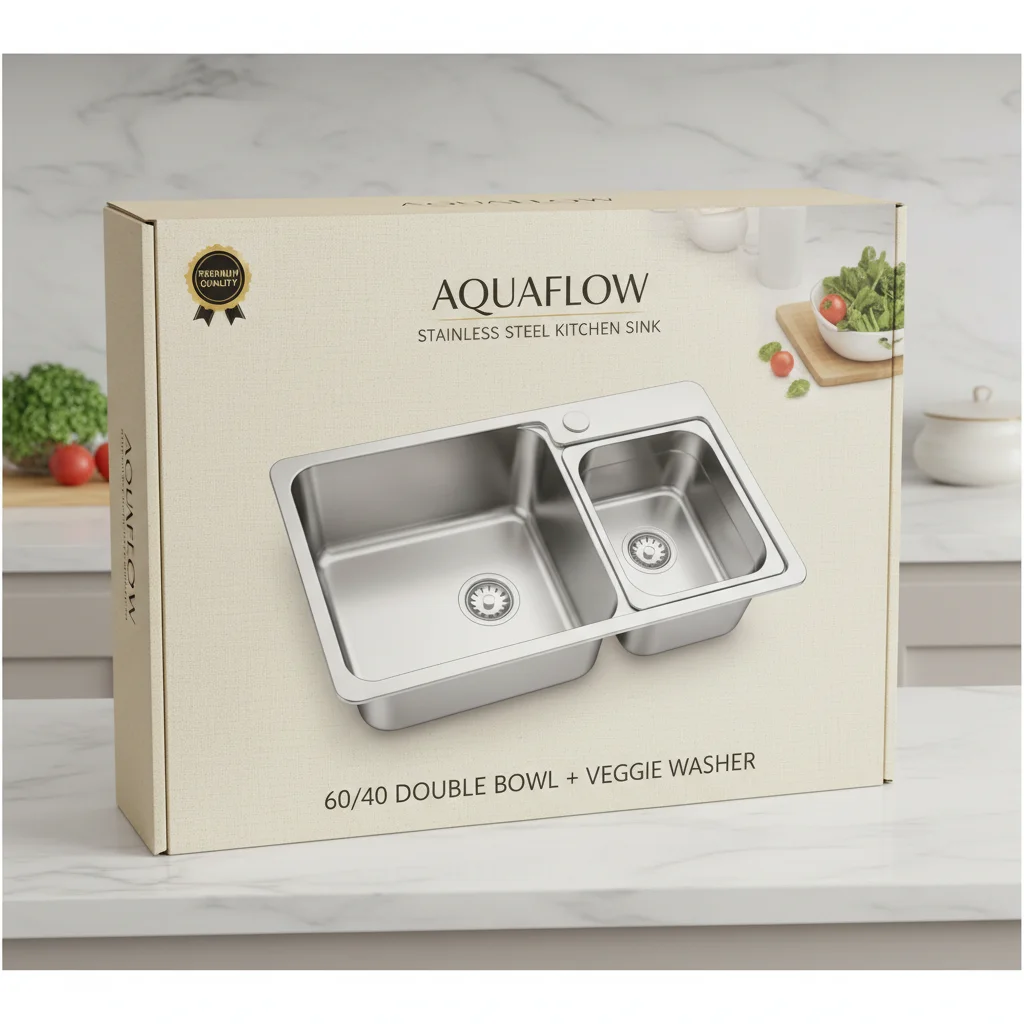
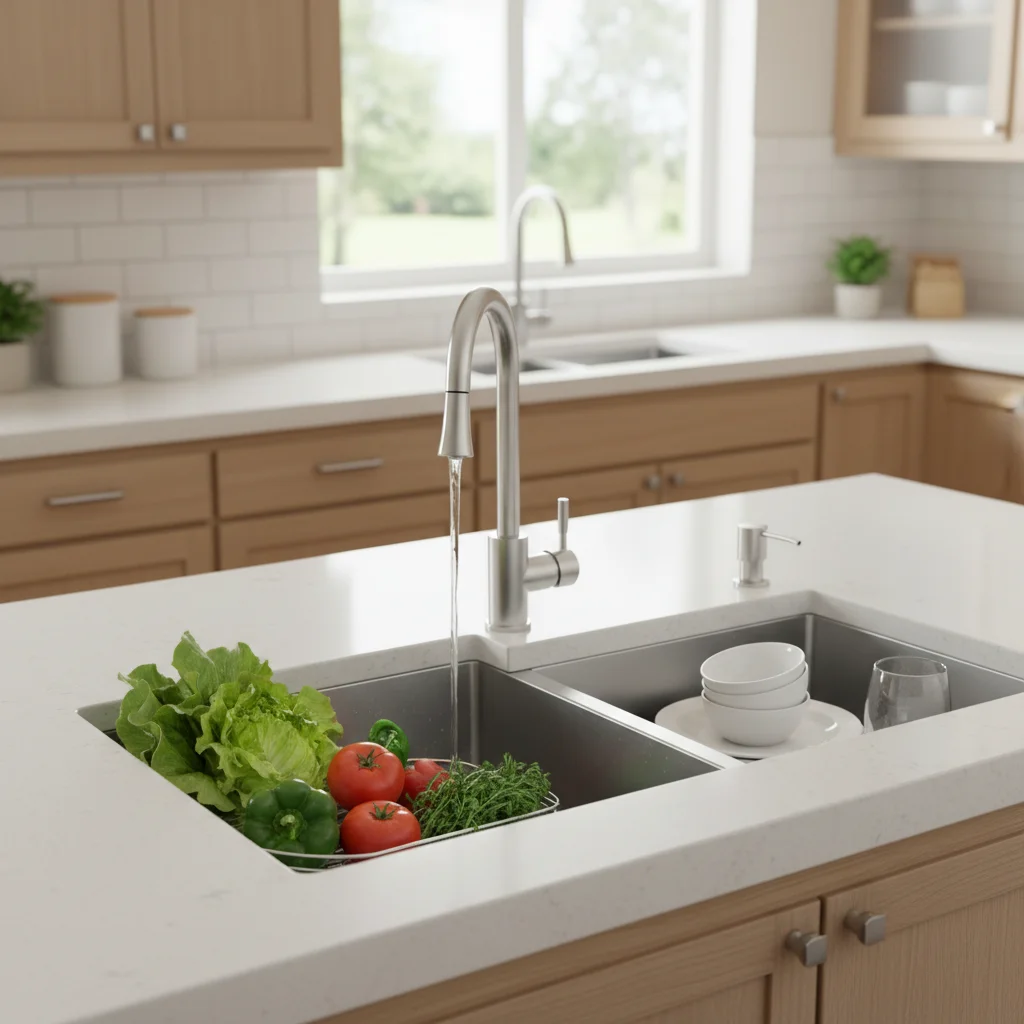
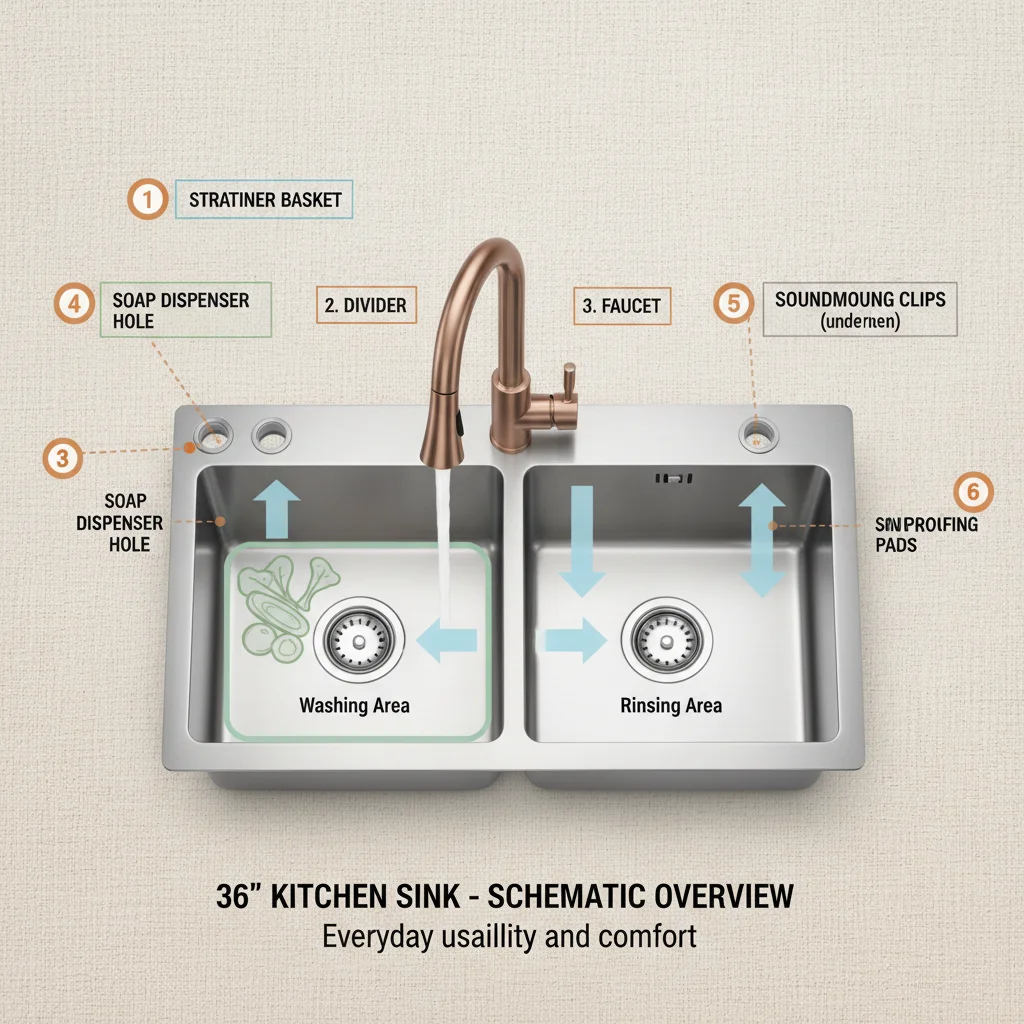
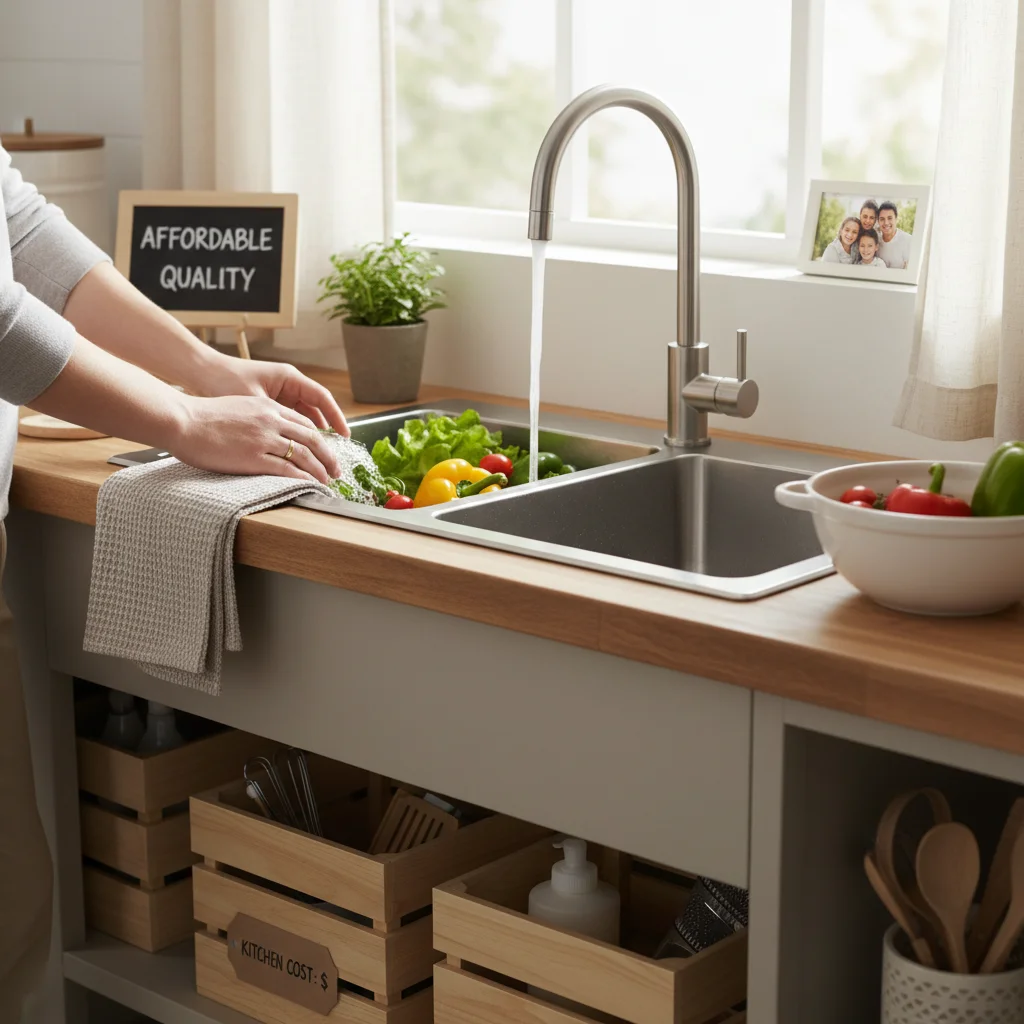
Choosing the right kitchen sink size is an essential decision for any kitchen remodel or new installation. The sink plays a vital role in your daily kitchen activities, from washing dishes and preparing food to cleaning large cookware. Selecting the correct kitchen sink size ensures efficiency, comfort, and aesthetic balance in your kitchen design.
With countless sink styles and materials available today, homeowners and designers often ask: What is the most popular kitchen sink size? The answer depends on the type of sink, the available countertop space, and the intended kitchen workflow.
Standard Kitchen Sink Sizes
Most kitchen sinks fall into several standard kitchen sink size categories, designed to fit common countertop cabinets and kitchen layouts. These sizes help simplify installation and ensure compatibility with plumbing fixtures.
Table 1: Common Kitchen Sink Sizes
| Sink Type | Width (inches) | Depth (inches) | Notes |
|---|
| Single Bowl | 22 – 33 | 18 – 22 | Popular for small kitchens; deep single bowl for large pots |
| Double Bowl | 33 – 36 | 18 – 22 | Divided bowls for multitasking; ideal for busy kitchens |
| Triple Bowl | 36 – 48 | 18 – 22 | Includes prep bowl; mostly in large kitchens or commercial use |
| Farmhouse / Apron Front | 30 – 36 | 9 – 10 | Long and wide; often single bowl; design-focused |
| Corner Sink | 33 – 36 | 18 – 20 | Saves countertop space; best for L-shaped kitchens |
From the table above, we can see that Single Bowl Stainless Steel Sink and double-bowl sinks dominate residential kitchens. The single bowl is particularly favored for overmount kitchen sinks and drop-in kitchen sinks, while double bowls remain popular for families that need multitasking in the kitchen.
Single Bowl vs Double Bowl: Popularity Explained
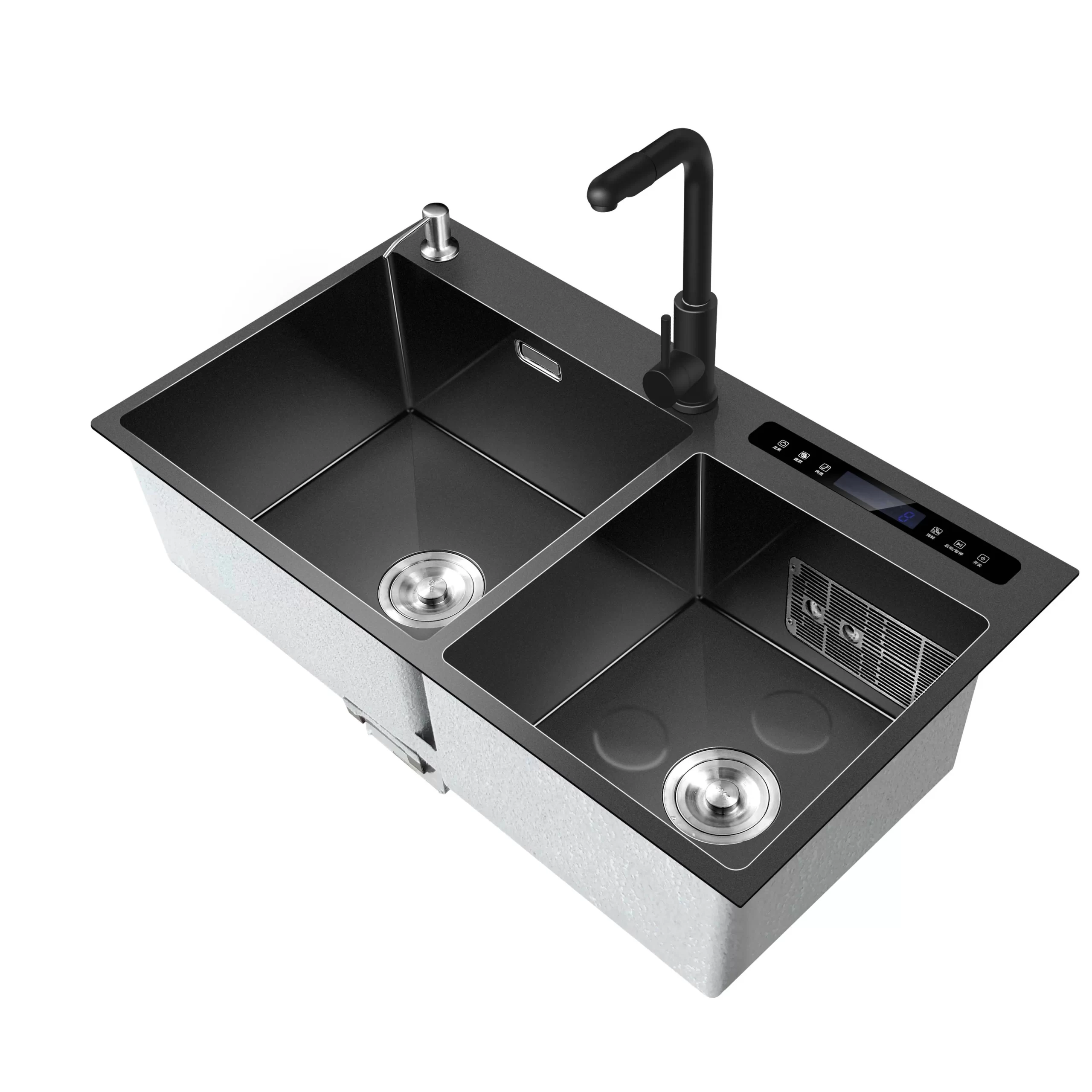
The choice between a single bowl kitchen sink and a double bowl kitchen sink depends on lifestyle and kitchen size.
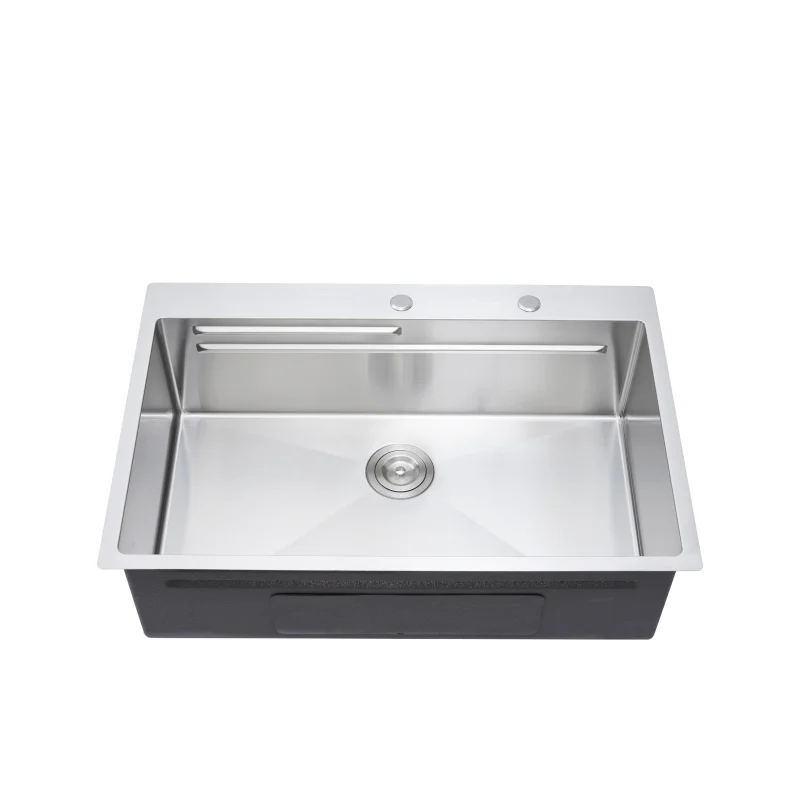
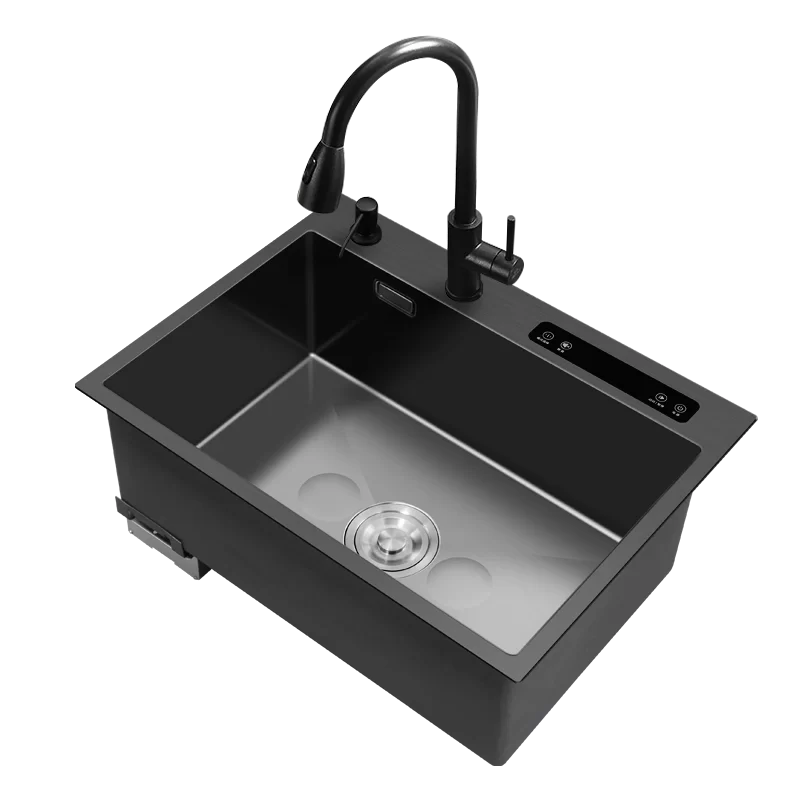
Single Bowl Sinks:
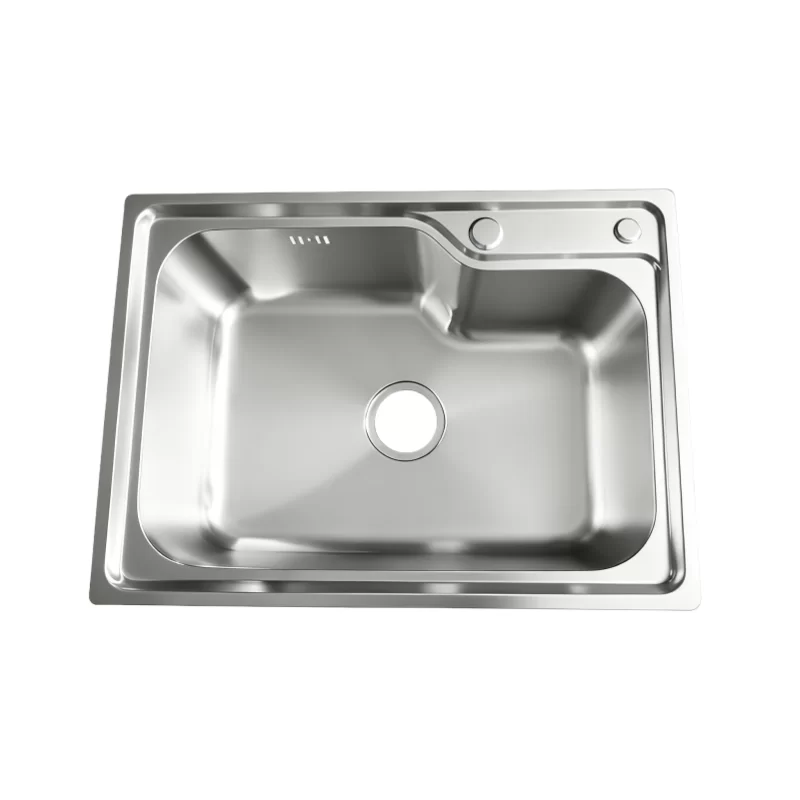
Typically 22–33 inches wide and 18–22 inches deep.
Provide a large uninterrupted basin for washing large pots, baking trays, and bulky cookware.
Easier to clean and maintain, with fewer seams and corners.
Popular in smaller kitchens where countertop space is limited.
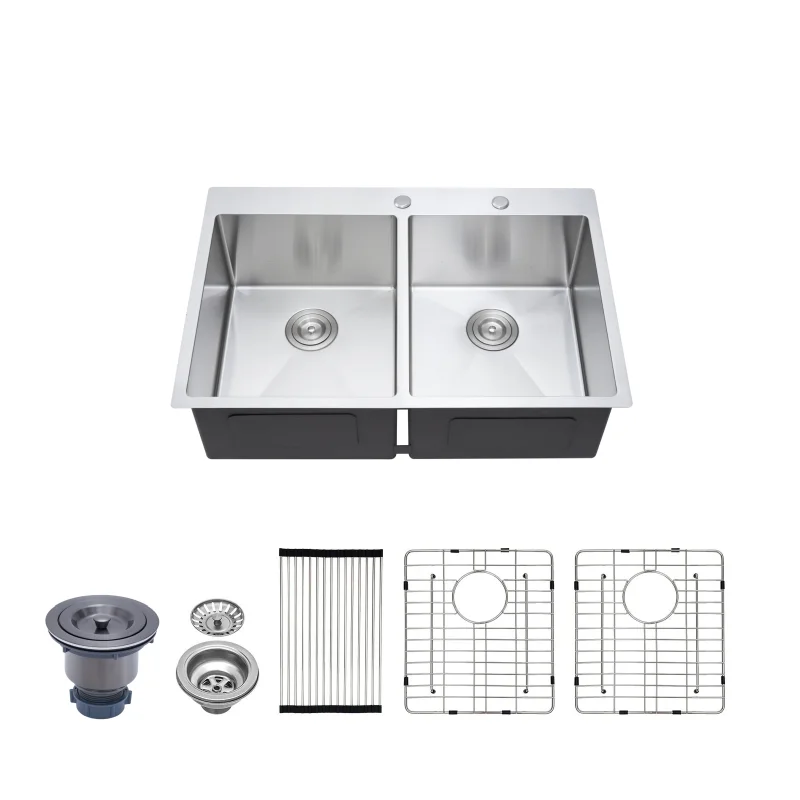
Double Bowl Sinks:
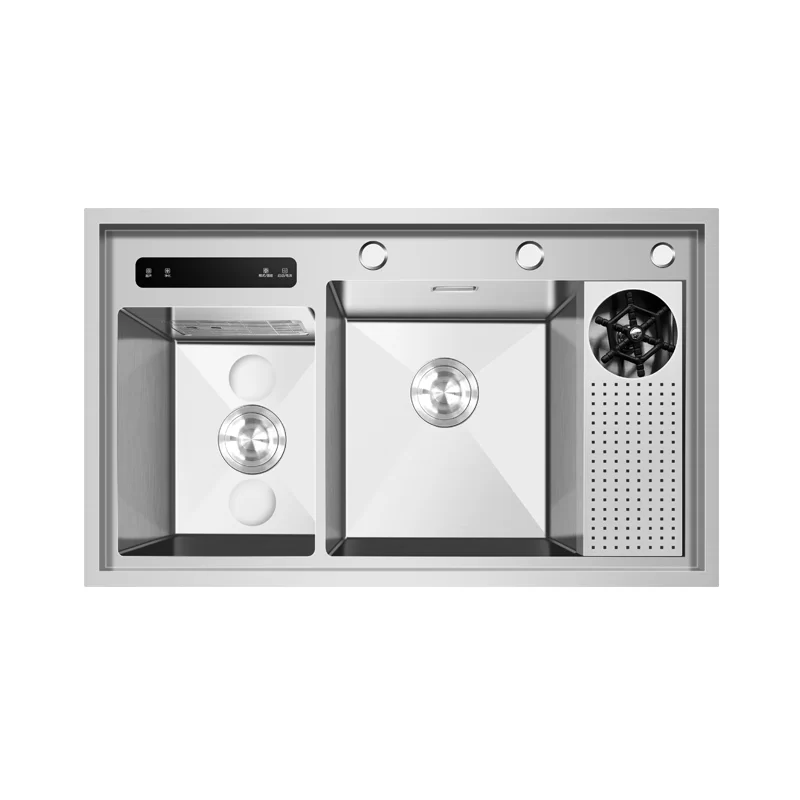
Usually 33–36 inches wide and 18–22 inches deep.
Split into two compartments, allowing multitasking, such as washing and rinsing simultaneously.
Often include an equal or offset bowl layout, giving flexibility in daily kitchen tasks.
Ideal for busy households or those who frequently cook large meals.
According to industry surveys, single bowl sinks account for approximately 55–60% of residential installations, while double bowl sinks account for around 35–40%. The remaining percentage includes specialty sinks like triple bowls, corner sinks, and farmhouse-style sinks.
Depth Matters: How Deep Should a Kitchen Sink Be?
Depth is a critical factor that influences the usability of your sink. Standard kitchen sinks are typically 18–22 inches deep, but deeper bowls are increasingly popular for modern kitchens.
Shallow sinks (under 8 inches): Easier to reach the bottom but can cause water splashing.
Standard depth (8–10 inches): Balances convenience and space.
Deep sinks (10–12 inches or more): Accommodates large pots and pans, reduces splashing, ideal for single bowl designs.
Deep sinks are particularly popular for single bowl overmount kitchen sinks, which need to accommodate oversized cookware without compromising comfort or water management.
Consider Countertop Space and Cabinet Size
Choosing the correct different types of kitchen sinks size also depends on your cabinet dimensions. The sink should fit the countertop cutout precisely, and the cabinet should provide adequate support for the sink and plumbing.
Recommended Cabinet Sizes:
| Sink Type | Minimum Cabinet Width (inches) | Notes |
|---|
| Single Bowl | 24 – 30 | Fits standard base cabinets |
| Double Bowl | 33 – 36 | Needs wider cabinets for divided bowls |
| Triple Bowl | 36 – 48 | Requires deep and wide cabinet base |
| Farmhouse / Apron | 30 – 36 | Cabinet must support front apron weight |
Ensuring proper cabinet support is crucial, especially for heavy stainless steel sinks or granite composite sinks.
Materials and Their Influence on Size Choice
The material of your kitchen sink also impacts which size works best. Popular materials include:
Stainless Steel (SUS304): Lightweight, durable, ideal for single and double bowls. Works well for overmount / top mount kitchen sinks.
Granite Composite: Heavier, often deeper for single bowl sinks to handle large cookware.
Fireclay / Ceramic: Usually used in farmhouse sinks, wide and deep for aesthetic appeal.
Stainless steel sinks, especially single bowl overmount kitchen sinks, are currently the most popular choice due to durability, affordability, and compatibility with modern kitchen designs.
Trends in Kitchen Sink Sizes
Recent trends show a shift toward larger single bowl sinks, especially in urban kitchens where multi-purpose use and large cookware are common. Deep basins combined with overmount installation provide a practical balance of size, usability, and installation flexibility.
Other trends include:
Offset double bowl sinks: One large basin + one small prep basin.
Integrated drainboards: Adds functional space for washing and drying.
Custom widths: Some homeowners opt for sinks wider than 36 inches for commercial-style kitchens.
How to Choose the Most Popular Kitchen Sink Size
When deciding on the most suitable kitchen sink size, consider these key points:
Kitchen space: Measure cabinet width and countertop area.
Usage habits: Single bowl for large cookware, double bowl for multitasking.
Depth needs: Deeper sinks handle bigger items and reduce splashing.
Material choice: Stainless steel is versatile and lightweight; granite or fireclay may require deeper installation.
Installation type: Overmount/top mount sinks are easier to install and widely popular.
By balancing these factors, homeowners can select a sink size that maximizes functionality and complements kitchen design.
Conclusion
The most popular kitchen sink size today tends to be single bowl sinks between 22–33 inches wide and 18–22 inches deep, often installed as overmount or top mount sinks. Double bowl sinks are also widely used, particularly in larger kitchens or for multitasking needs.
Materials such as stainless steel SUS304 remain a favorite due to durability, ease of cleaning, and modern appearance. Understanding standard sizes, depth options, and cabinet compatibility ensures that your kitchen sink is both functional and visually appealing.
Whether renovating a small urban kitchen or designing a spacious culinary space, selecting the right kitchen sink size is critical for workflow efficiency and long-term satisfaction.