Choosing the Right 33 Kitchen Sink for Your Home
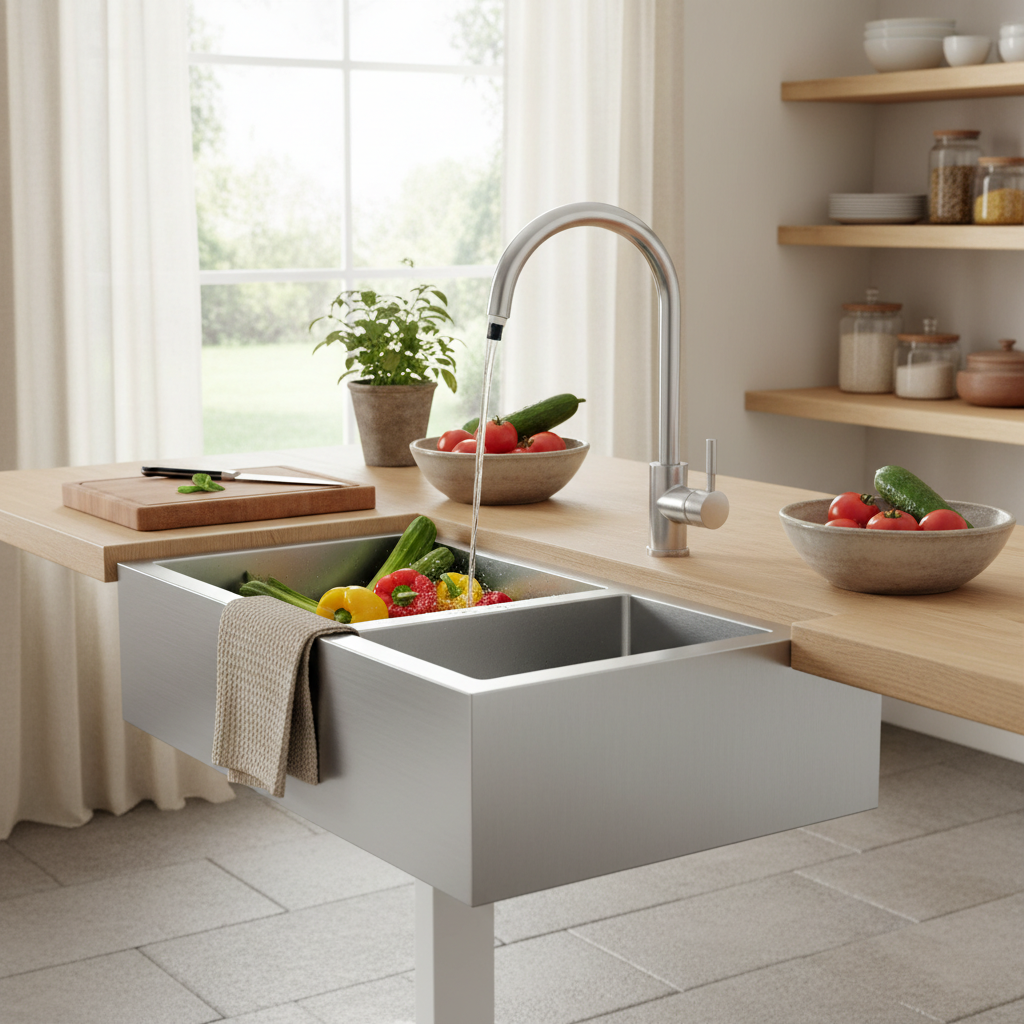
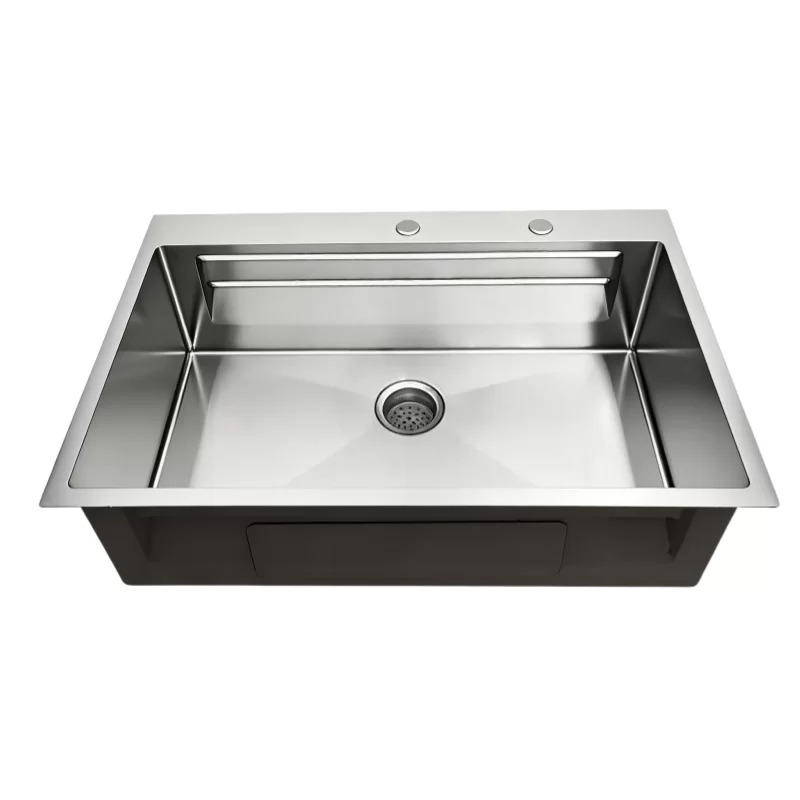
Selecting a new kitchen sink is a significant decision. A 33-inch kitchen sink offers a sweet spot between spaciousness and practicality, fitting comfortably into many standard cabinet sizes. This article will guide you through the key considerations when choosing a 33 kitchen sink, covering materials, configurations, and installation tips. Understanding your needs and the available options will help you find the perfect sink to elevate your kitchen’s functionality and aesthetic.
Material Matters: Exploring Your Options for a 33 Kitchen Sink
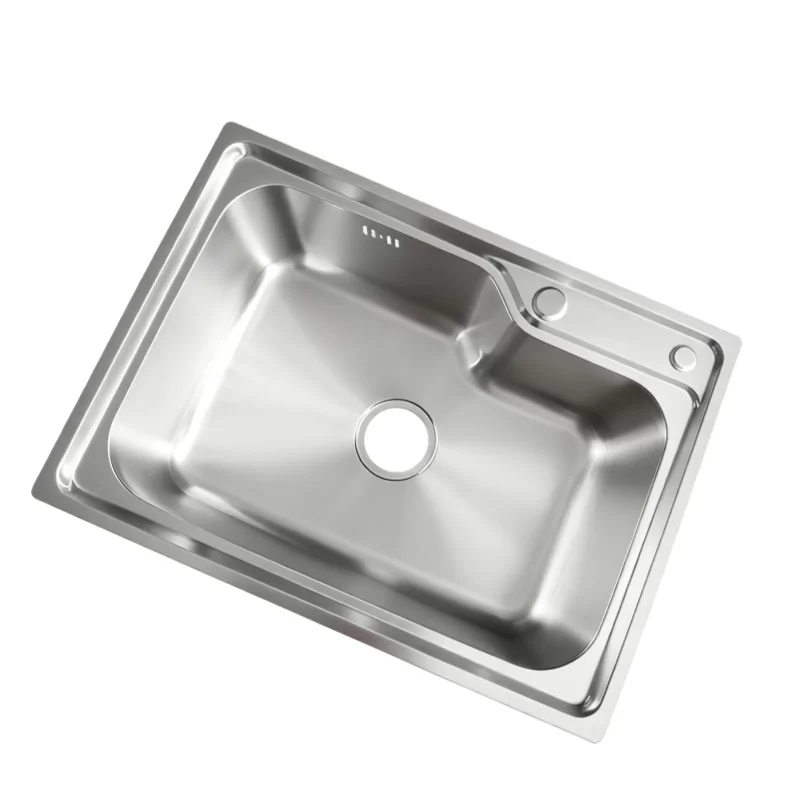
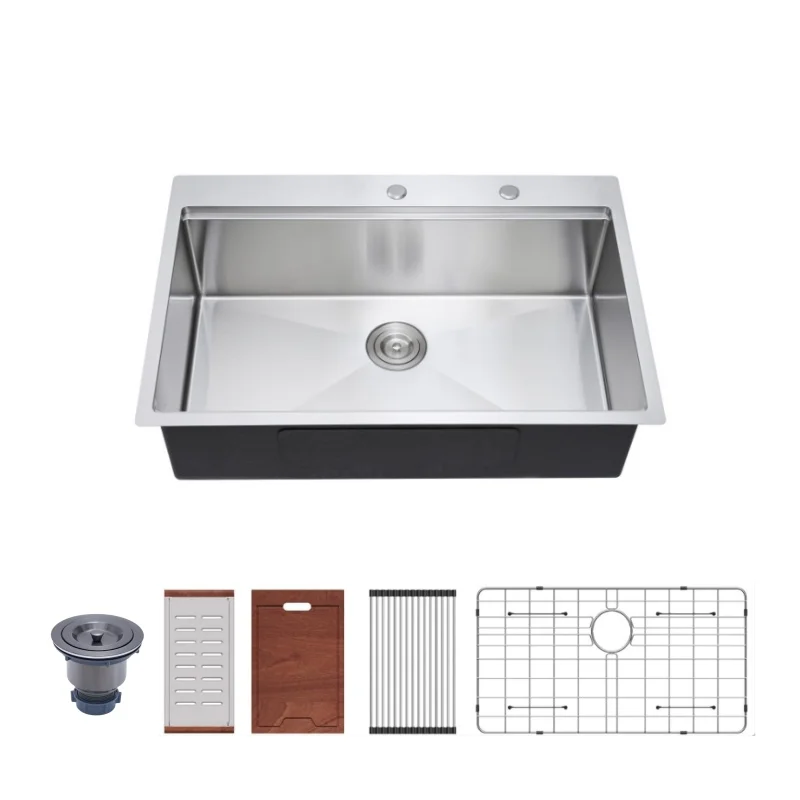
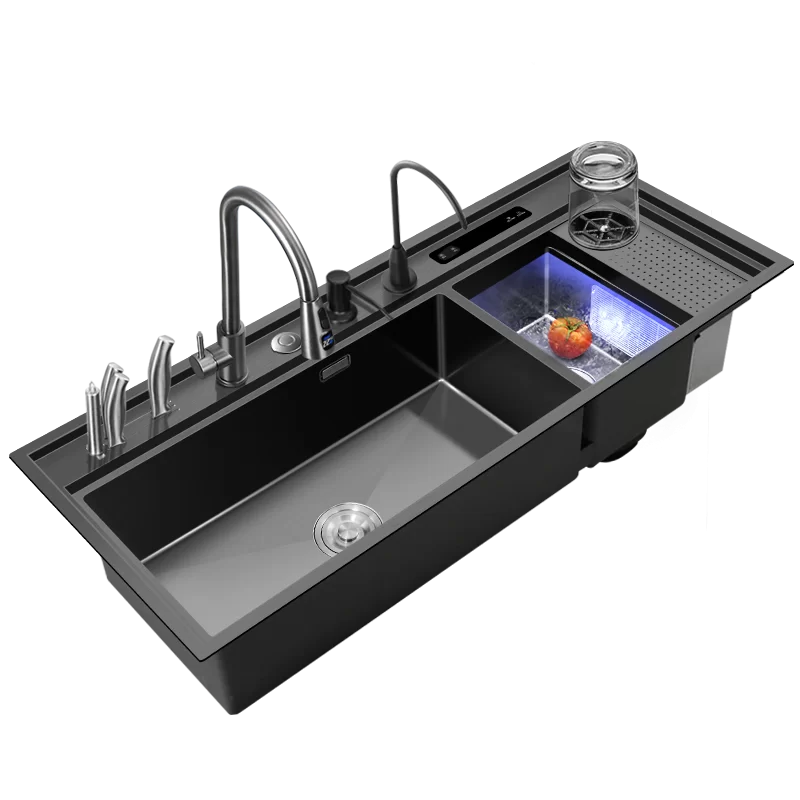
The material of your 33 kitchen sink significantly impacts its durability, appearance, and maintenance requirements. Stainless steel is a popular choice, known for its resistance to rust and corrosion, and ease of cleaning. Composite granite sinks offer a sleek, modern look and excellent resistance to scratches and stains. Fireclay sinks provide a classic, farmhouse aesthetic but are more prone to chipping. Each material has its pros and cons, so carefully consider your lifestyle and priorities. Yashite Sinks offers a wide selection of materials to suit any kitchen design.
Key Highlights: Choosing the right material will dictate the longevity and overall appeal of your 33-inch kitchen sink. Consider your budget, cleaning habits, and desired aesthetic.
Sink Configurations: Single Bowl vs. Double Bowl 33 Kitchen Sinks
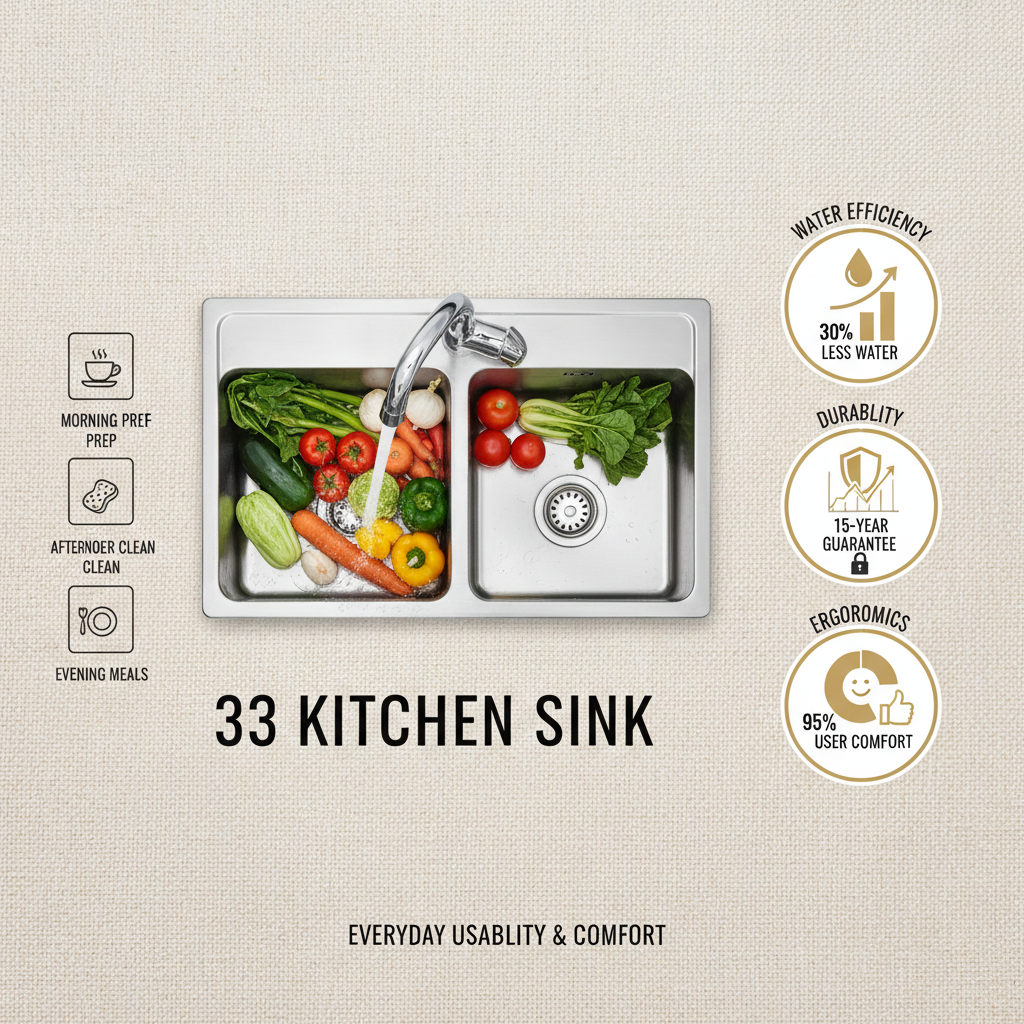
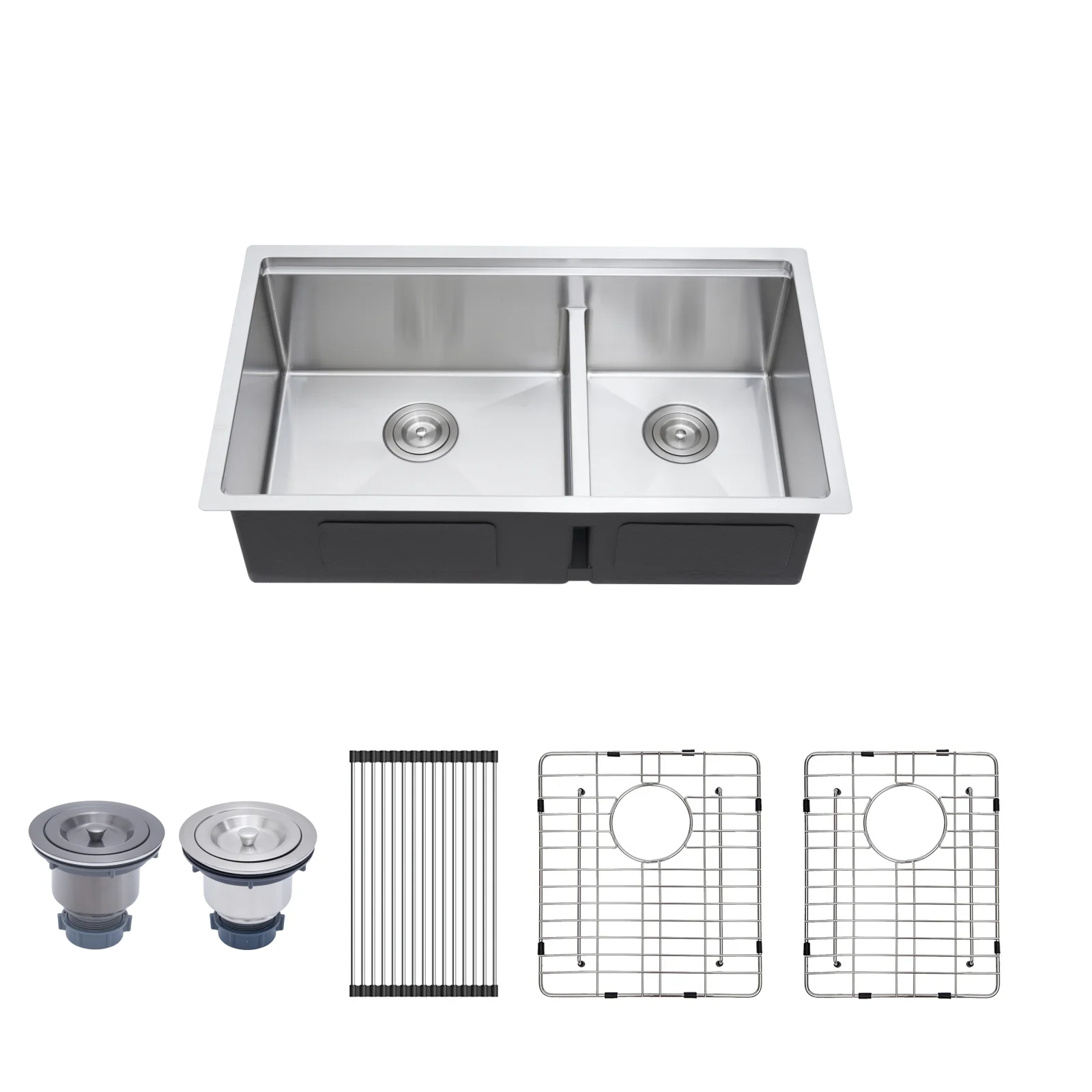
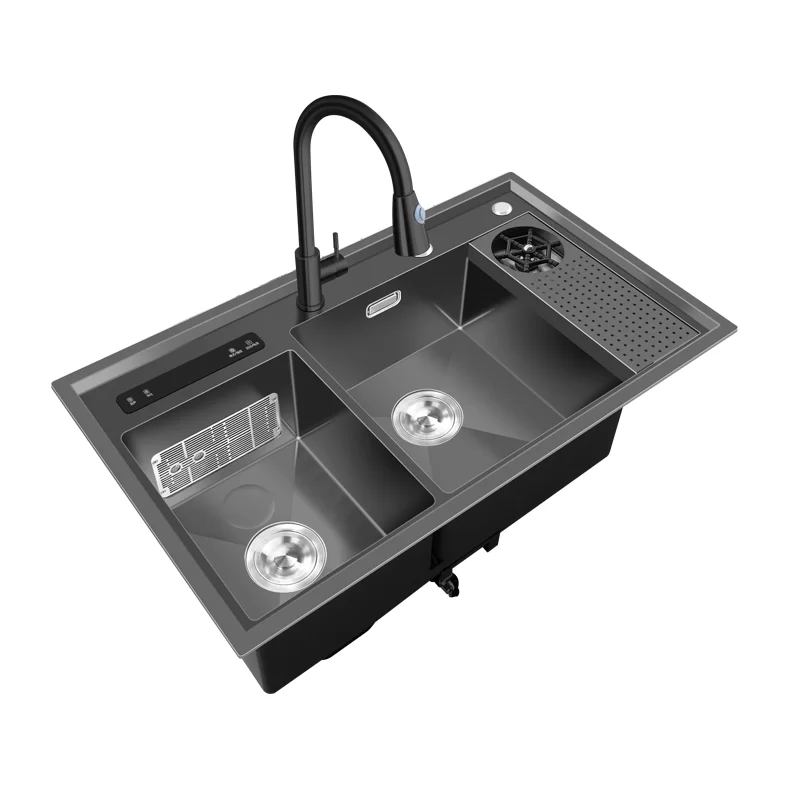
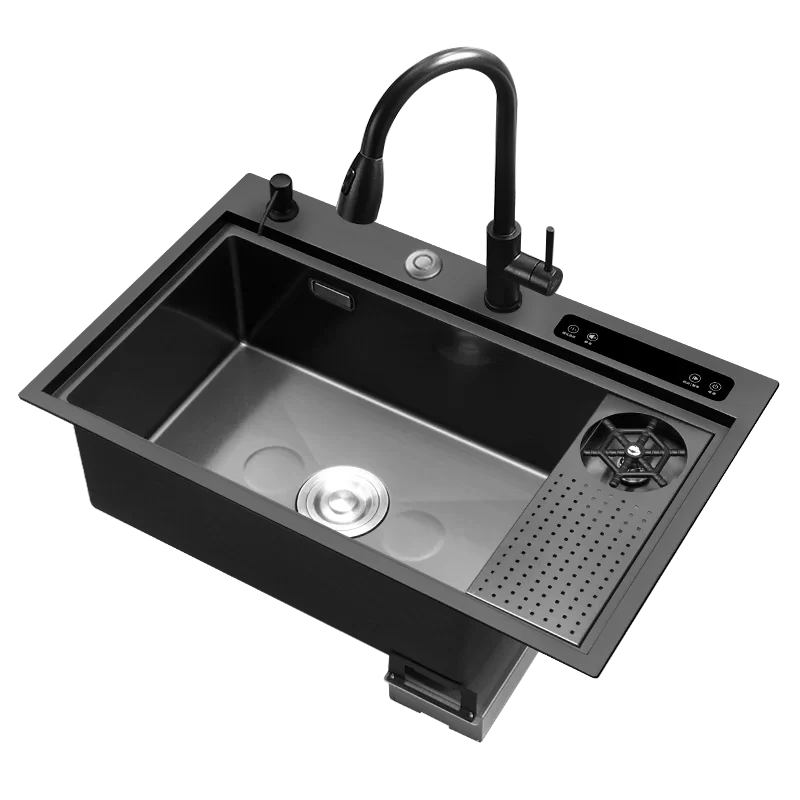
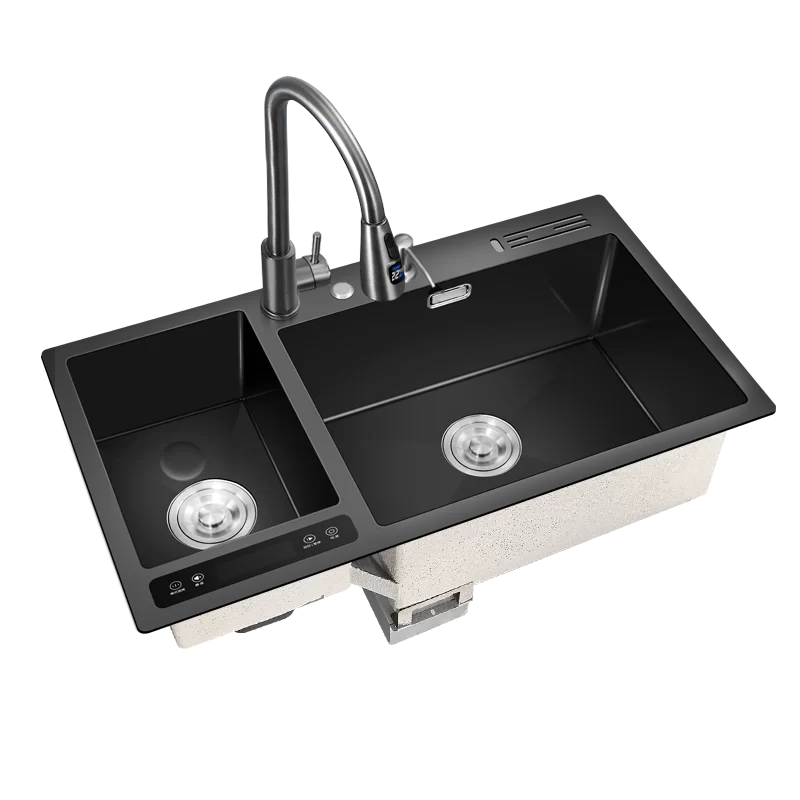
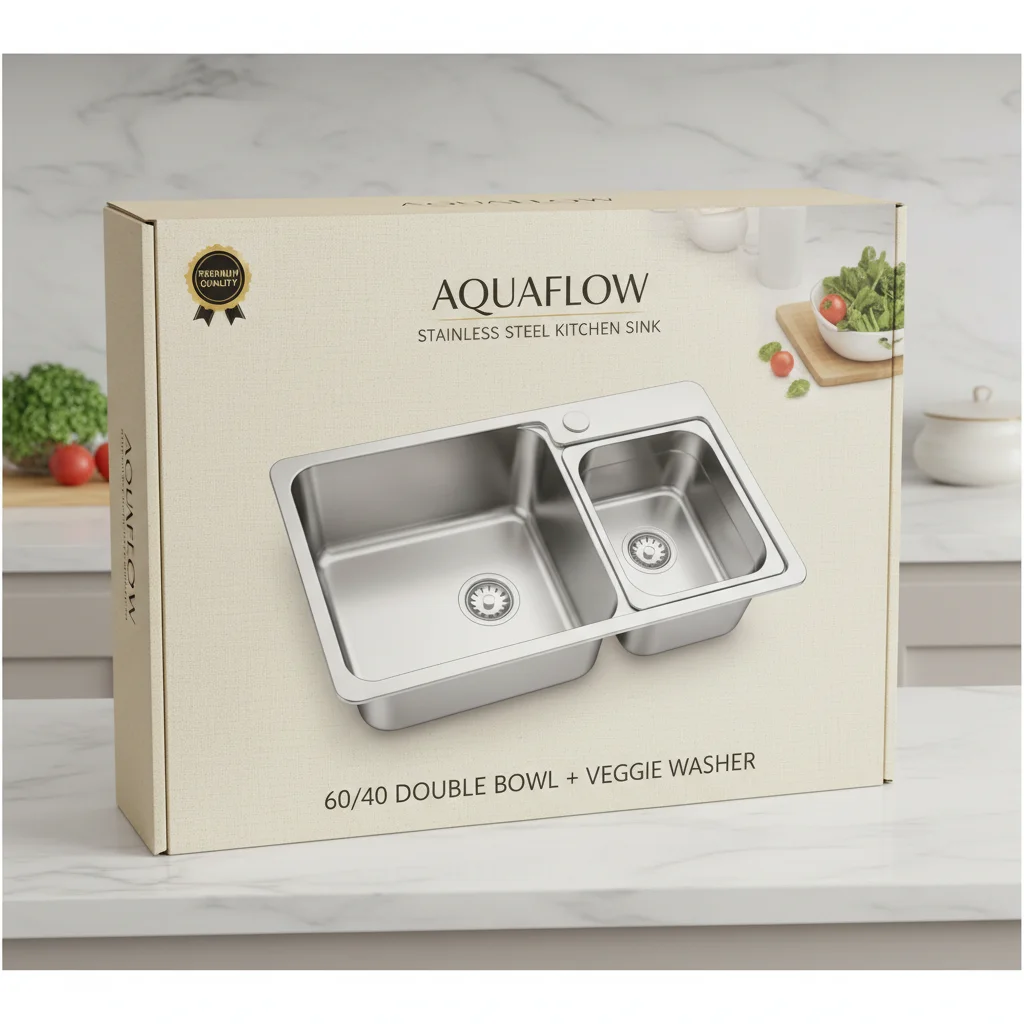
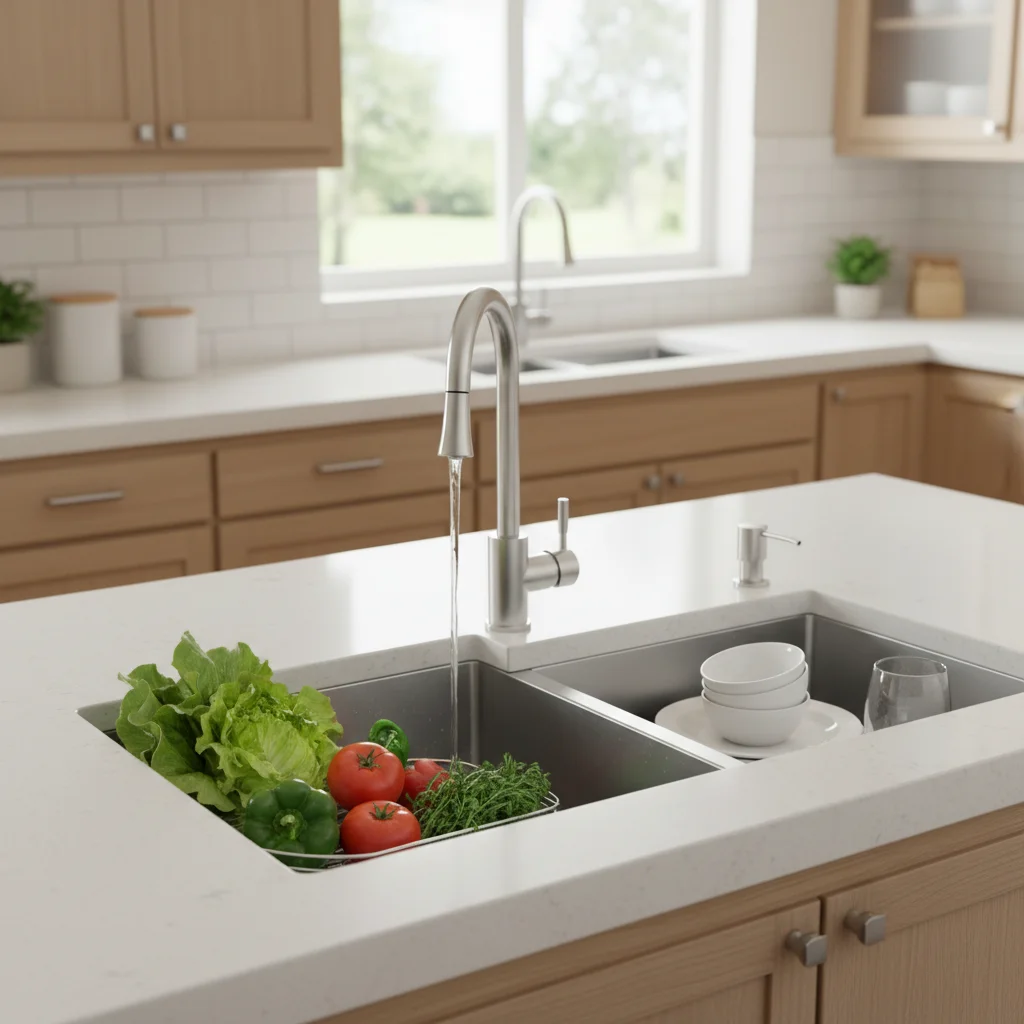
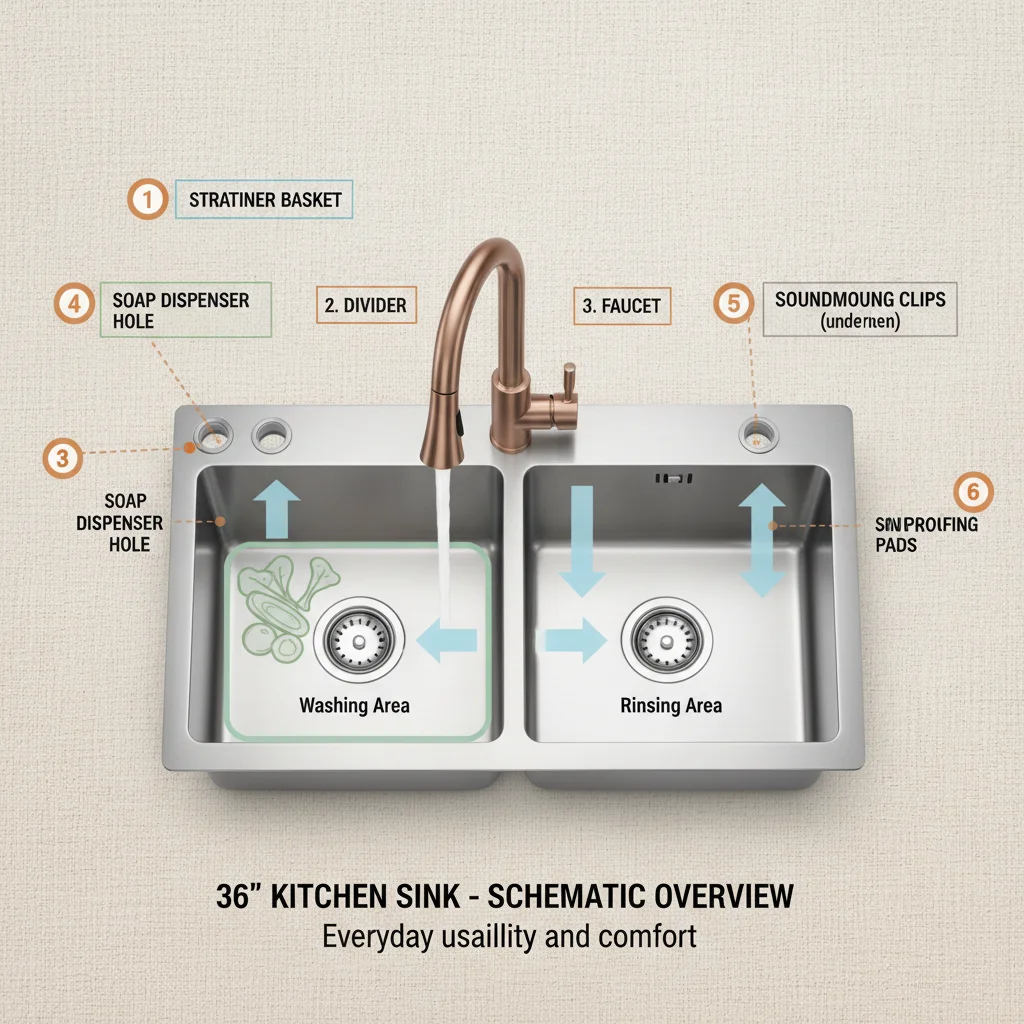
A critical decision when selecting a 33 kitchen sink is whether to opt for a single-bowl or double-bowl configuration. Single-bowl sinks are ideal for washing large pots and pans, while double-bowl sinks provide separate compartments for washing and rinsing, enhancing efficiency. Consider your cooking habits and the size of your typical cookware. A 60/40 split in a double-bowl sink can offer the best of both worlds, providing a large main bowl and a smaller secondary bowl. The Yashite Sink catalog presents a variety of configurations.
Single vs. Double Bowl Benefits:
• Single Bowl: Ideal for large items, more usable space.
• Double Bowl: Separate washing and rinsing, increased efficiency.
• 60/40 Split: Combines benefits of both configurations.
33 Kitchen Sink: Comparing Material Durability & Cost
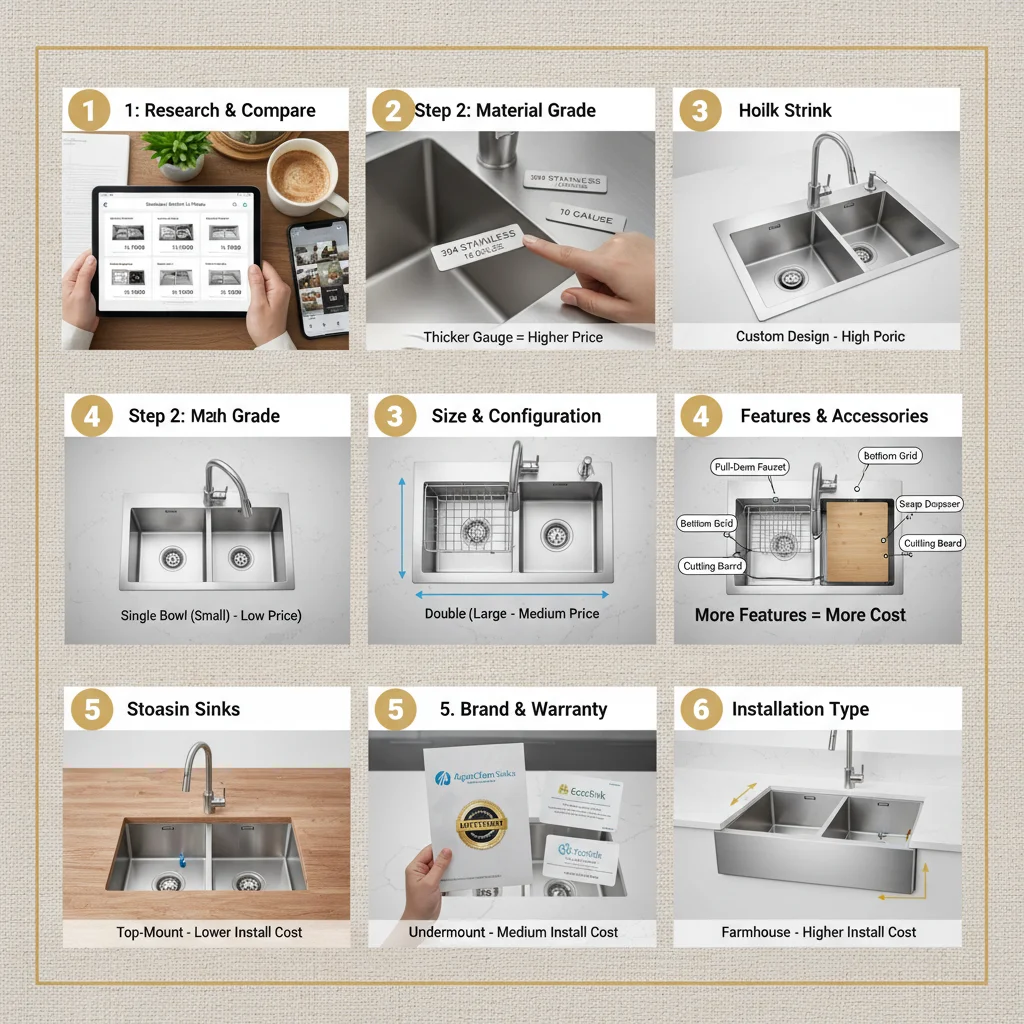
Understanding the cost and durability of each material is crucial for making an informed decision. Here’s a comparison to help you assess your options. Stainless steel offers a good balance of price and durability, while composite granite is more expensive but provides superior stain resistance. Fireclay, while aesthetically pleasing, requires more careful handling and may be the most expensive option.
| Material |
Durability |
Cost (Approx.) |
| Stainless Steel |
High - Rust & Corrosion Resistant |
$150 - $400 |
| Composite Granite |
Very High - Scratch & Stain Resistant |
$300 - $600 |
| Fireclay |
Moderate - Prone to Chipping |
$400 - $800 |
Installation Considerations for Your New 33 Kitchen Sink
Installing a 33 kitchen sink requires careful planning and execution. Depending on your experience, you may choose to hire a professional plumber. Ensure your countertop cut-out is the correct size for the sink you’ve selected. Consider the plumbing connections and whether any modifications are needed. Proper sealing is critical to prevent leaks, so use a high-quality silicone sealant. Yashite Sinks provides detailed installation guides with each product.
Choosing the Best 33 Kitchen Sink: A Summary
Selecting the right 33 kitchen sink involves considering material, configuration, installation, and your personal preferences. By carefully evaluating these factors, you can find a sink that enhances the functionality and aesthetic of your kitchen for years to come. Remember to prioritize quality, durability, and a style that complements your overall kitchen design. Explore the diverse range of 33 kitchen sinks at Yashite to discover the perfect fit for your home.
Conclusion: Investing in a Quality Kitchen Sink
A well-chosen 33 kitchen sink is a valuable investment that will provide years of reliable service. Prioritize quality materials, thoughtful design, and professional installation to ensure a seamless and enjoyable kitchen experience.
Frequently Asked Questions (FAQs)
What is the standard cabinet size for a 33-inch kitchen sink?
Typically, a 33-inch kitchen sink requires a base cabinet that is at least 36 inches wide. However, it’s always best to double-check the specific dimensions of the sink you choose, as some models may require a slightly larger cabinet. Consider the installation type (undermount, drop-in, or farmhouse) as this can also affect the required cabinet size. Accurate measurements are essential for a successful installation.
How do I clean a stainless steel 33 kitchen sink?
Stainless steel sinks are relatively easy to clean. For everyday cleaning, use warm soapy water and a soft sponge. To remove water spots, wipe the sink with a microfiber cloth. For tougher stains, you can use a stainless steel cleaner or a paste of baking soda and water. Avoid abrasive cleaners, as they can scratch the surface. Always rinse thoroughly and dry the sink to prevent water spots.
What is an undermount sink, and is it more difficult to install?
An undermount sink is installed beneath the countertop, creating a seamless look. It is generally more difficult to install than a drop-in sink, as it requires precise cutting of the countertop and strong adhesive or clips to secure it in place. Professional installation is often recommended for undermount sinks to ensure a proper and secure fit. However, the clean aesthetic it provides is often worth the extra effort.
Will a composite granite sink stain?
Composite granite sinks are highly resistant to staining, but they are not completely impervious. Darker colored sinks may show staining from certain substances, like coffee or tea, if not cleaned promptly. Regular cleaning with mild soap and water will prevent most stains. For stubborn stains, use a composite granite cleaner.