When researching kitchen sinks, many buyers encounter two terms that seem different: overmount kitchen sink and drop-in sink. This often leads to confusion—are they separate sink types or just different names for the same thing?
The short answer: Yes, an overmount kitchen sink and a drop-in sink refer to the same installation style. Both describe sinks that are installed from the top of the countertop with a visible rim resting on the counter surface.
However, understanding the terminology, design features, and practical implications can help homeowners, designers, and buyers choose the right sink for their kitchen. This guide explains the difference (or lack thereof), how these sinks work, and how they compare with other mounting styles.
What Is an Overmount Kitchen Sink?
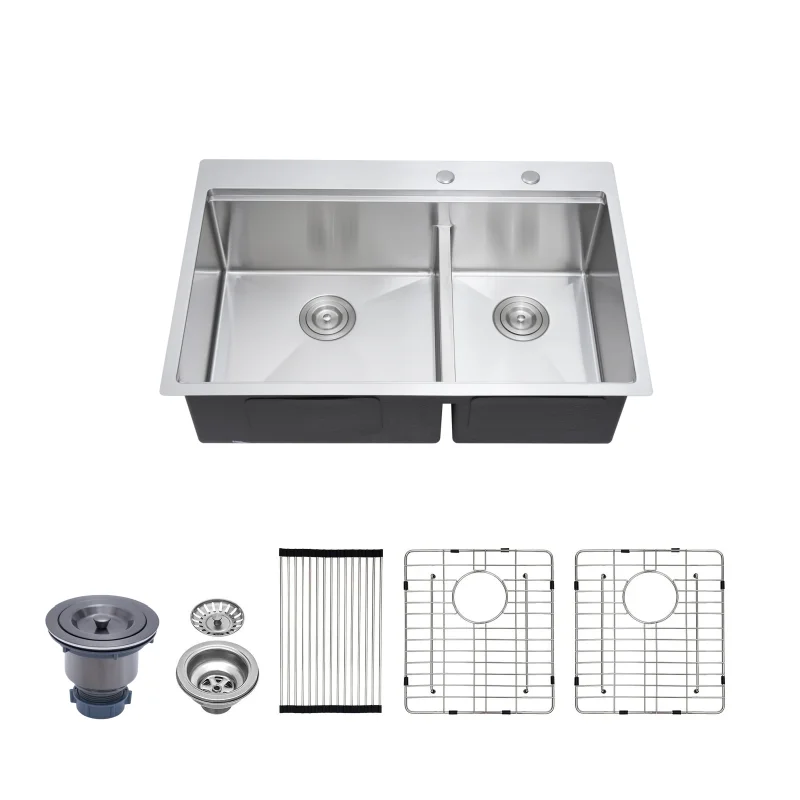
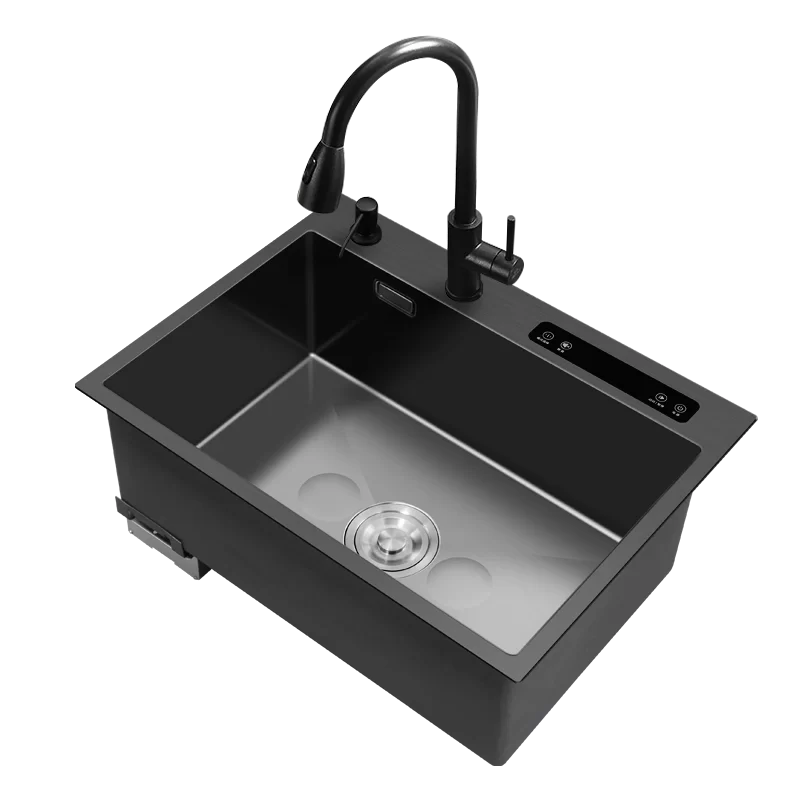
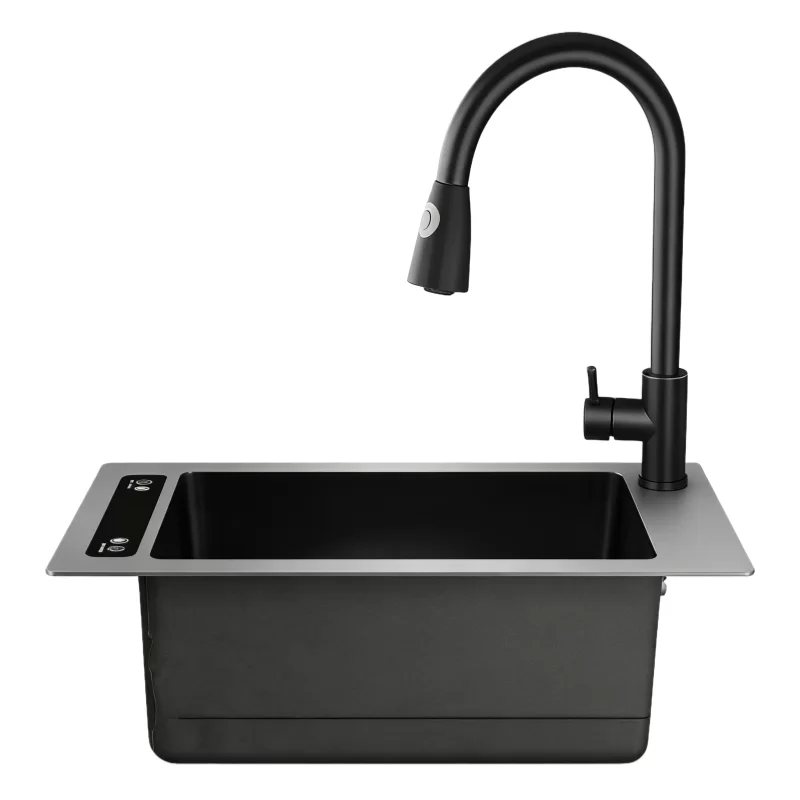
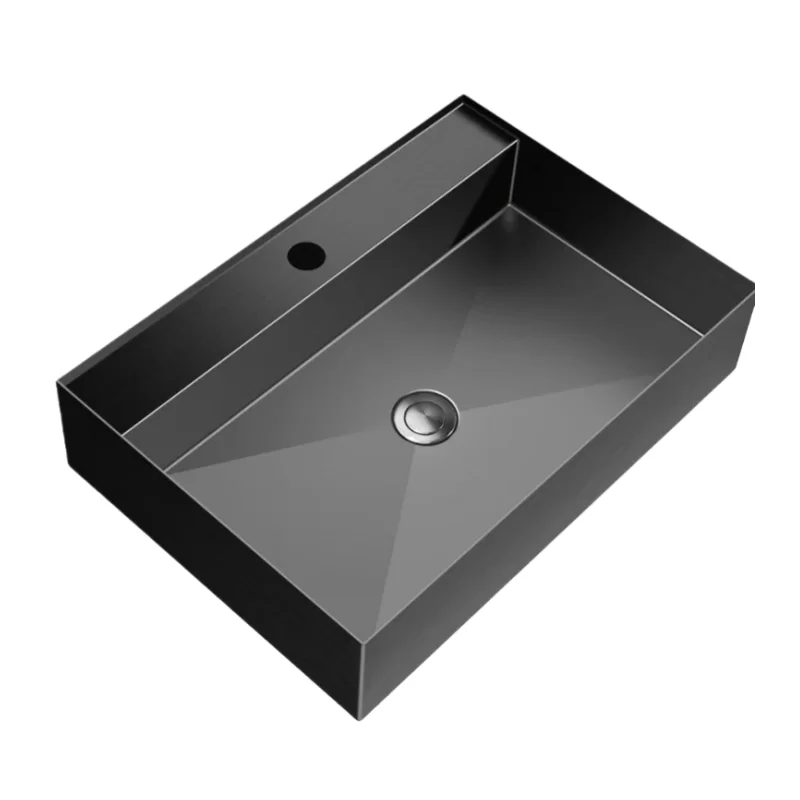
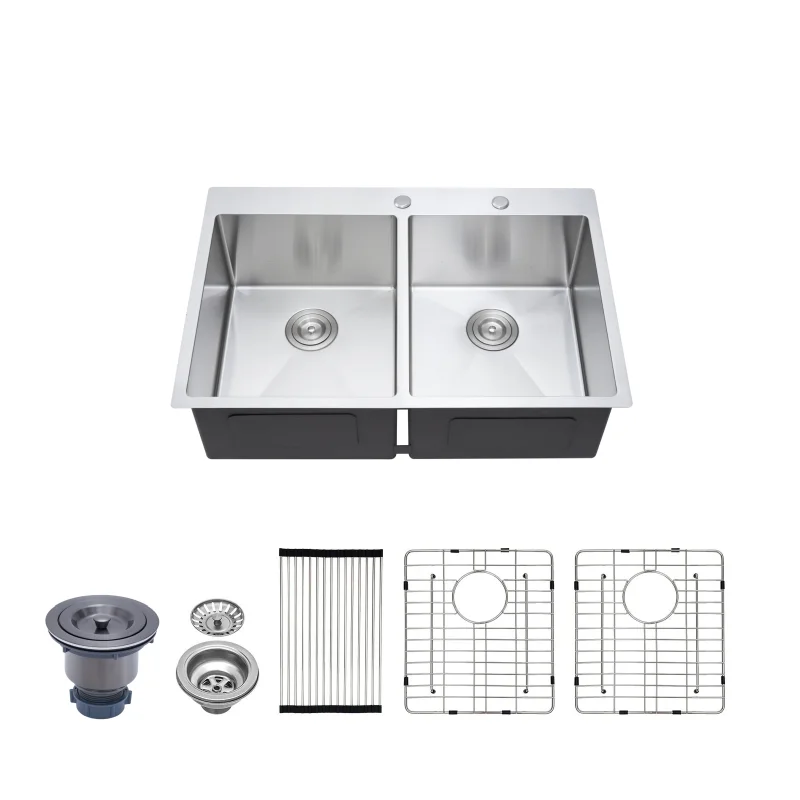
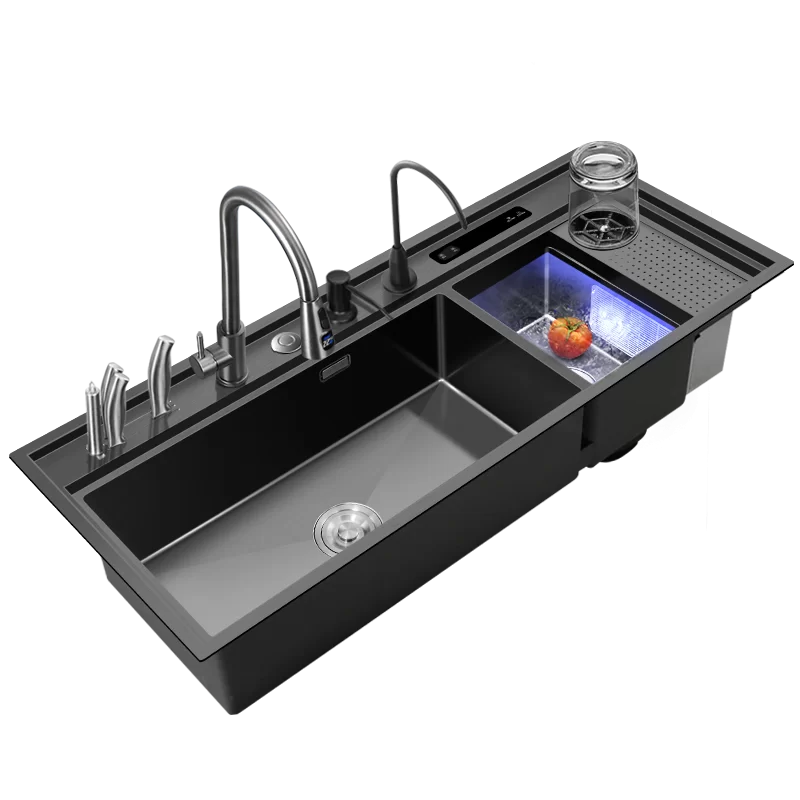
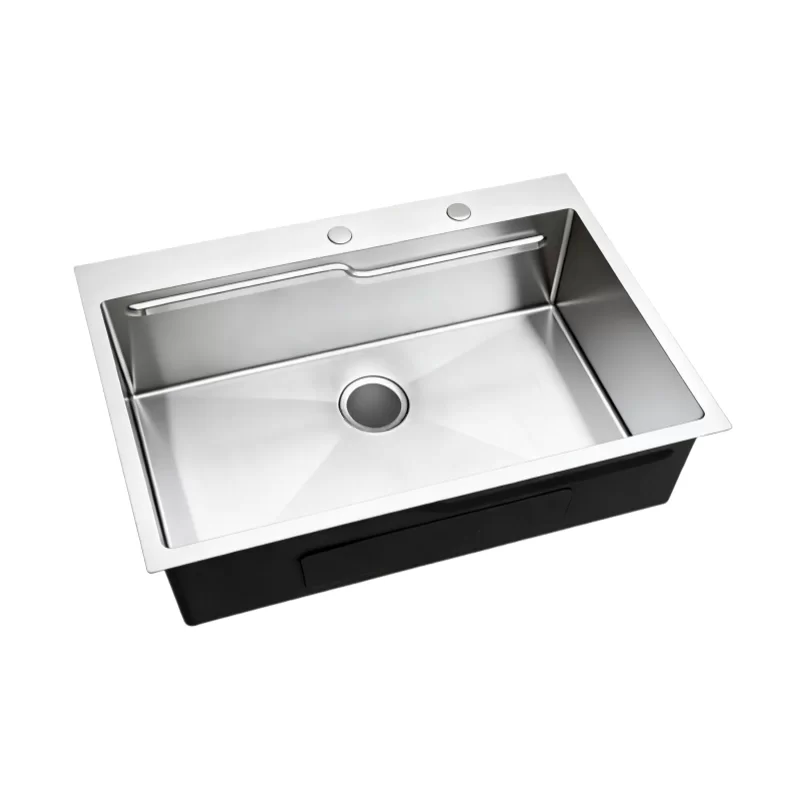
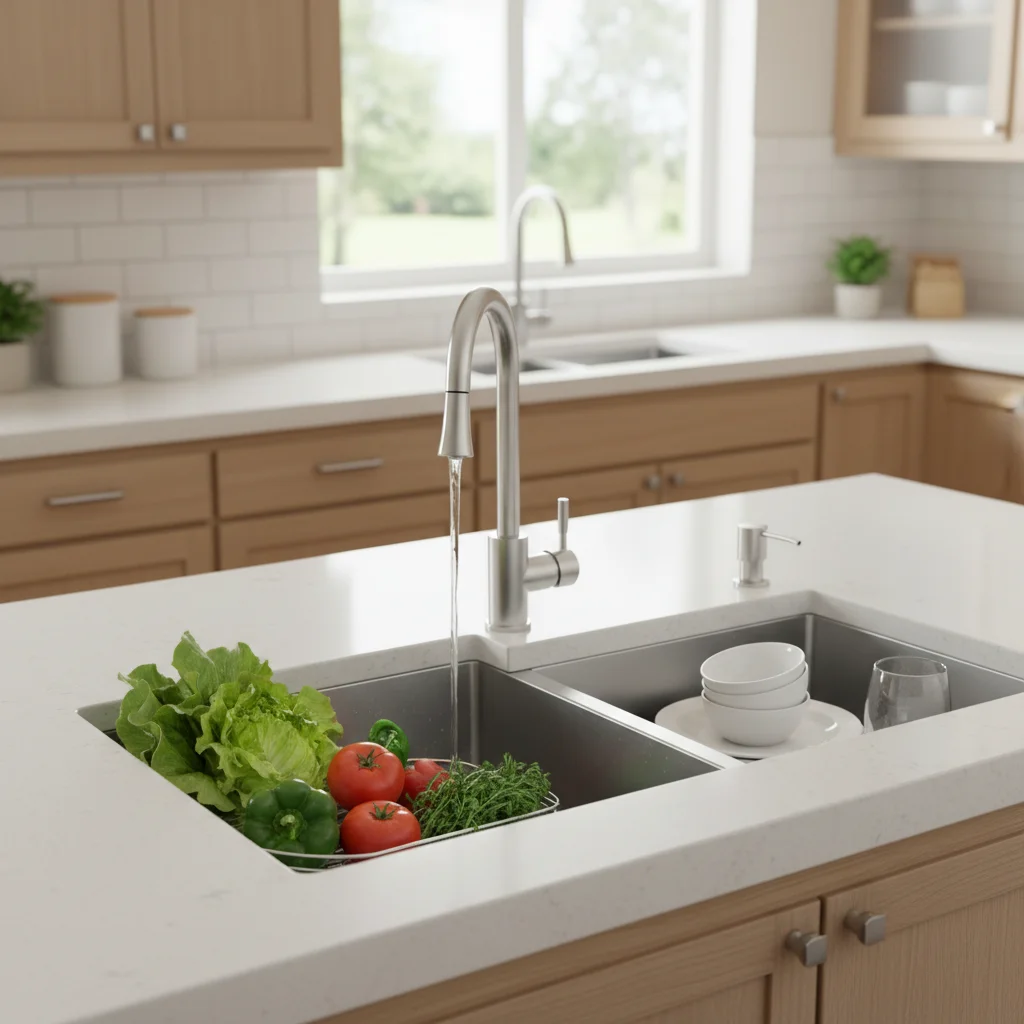
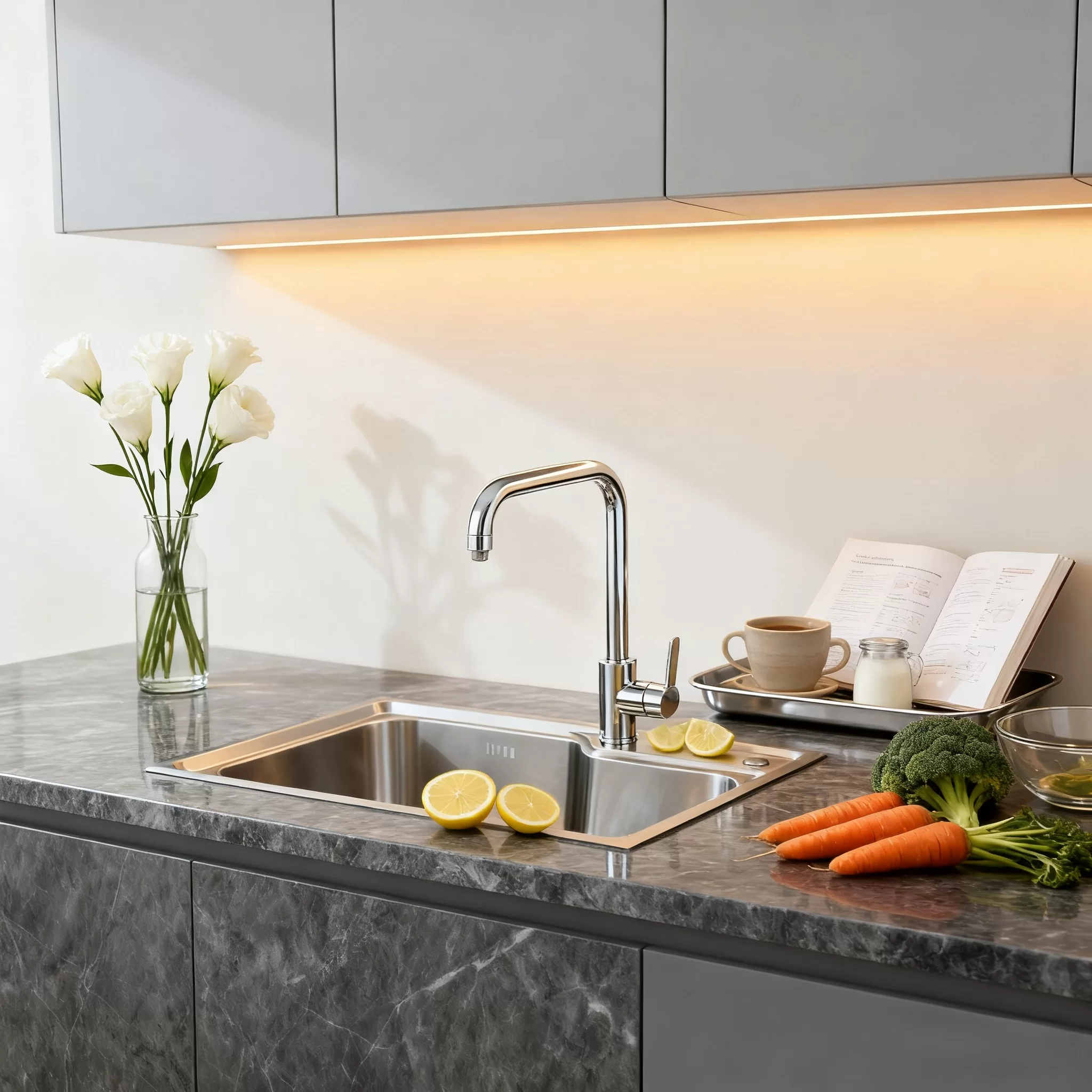
An overmount kitchen sink—also called a top-mount sink—is installed by placing the sink into a cutout hole in the countertop from above. The sink’s outer rim rests on the countertop surface, supporting its weight and sealing the edges.
Because the rim sits over the counter surface, this installation style is called “overmount.”
Key Features of Overmount Kitchen Sinks
Visible rim: The lip of the sink sits on top of the countertop.
Easy installation: The rim supports the sink, simplifying installation.
Flexible compatibility: Works with laminate, wood, granite, quartz, or tile countertops.
Cost-effective: Typically cheaper to purchase and install.
In many residential kitchens, especially those with laminate countertops or budget renovations, overmount sinks remain one of the most practical choices.
What Is a Drop-In Sink?
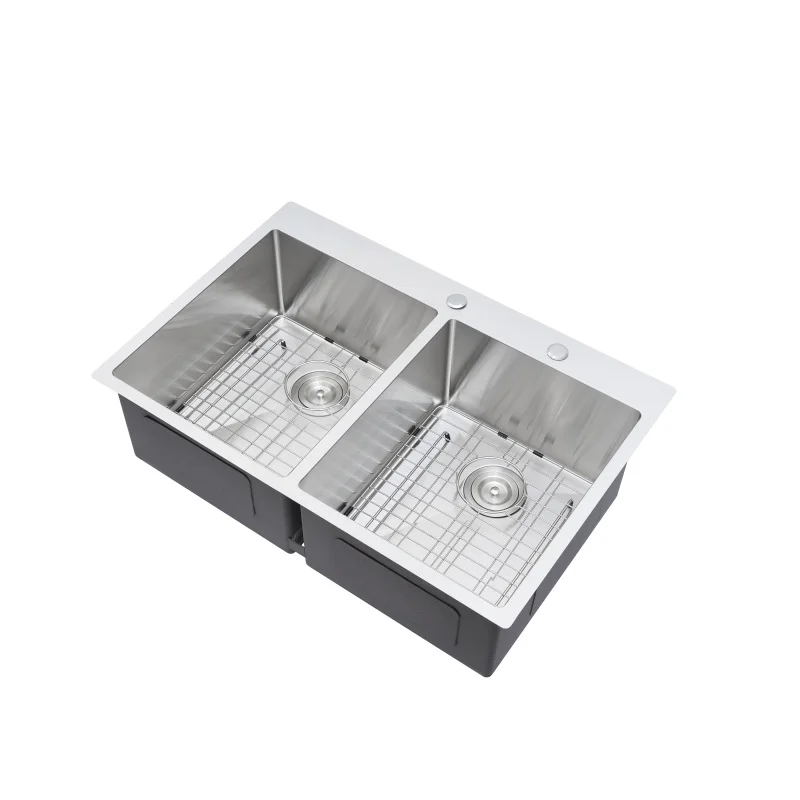
A drop-in sink describes the exact same installation method. The name comes from the installation process: the sink is simply dropped into a hole cut in the countertop.
Once placed, silicone caulk and clips secure the sink and create a watertight seal between the rim and countertop.
Common Characteristics of Drop-In Sinks
Installed from the top of the counter
Rim sits on the countertop surface
Requires only basic tools for installation
Often designed with pre-drilled faucet holes
Because of these similarities, many manufacturers, retailers, and installers use the terms overmount, drop-in, top-mount, and self-rimming sink interchangeably.
Overmount vs Drop-In Sink: Why the Terms Are Interchangeable
Although the names differ, they describe the same mounting style.
| Term | Meaning | Installation Method |
|---|
| Overmount sink | Sink mounted over the counter | Rim sits on countertop |
| Drop-in sink | Sink dropped into a cutout | Rim sits on countertop |
| Top-mount sink | Mounted from above | Rim sits on countertop |
| Self-rimming sink | Rim supports the sink | Rim sits on countertop |
In the kitchen sink industry, manufacturers may choose one term over another depending on marketing or regional language preferences. For example:
But structurally and functionally, they refer to the same product category.
Advantages of Overmount (Drop-In) Kitchen Sinks
Despite newer sink styles becoming popular, drop-in sinks remain widely used because of their practicality.
1. Easy Installation
Overmount sinks are considered the most DIY-friendly kitchen sink type. Installers simply cut a hole in the countertop, apply sealant, and drop the sink in place.
Professional installation may take less than an hour in many cases.
2. Compatible With Most Countertops
Unlike undermount sinks that require strong solid surfaces, drop-in sinks can be installed on almost any countertop material, including:
Laminate
Tile
Granite
Quartz
Butcher block
This versatility makes them suitable for both modern and traditional kitchens.
3. Lower Cost
Drop-in sinks are typically more affordable than other mounting types because they require less labor and specialized mounting hardware.
For homeowners on a renovation budget, they provide excellent value.
4. Easier Replacement
If a sink becomes damaged or outdated, replacing a drop-in sink is straightforward because the rim covers the edges of the countertop cutout.
Potential Drawbacks of Overmount Sinks
While practical, drop-in sinks have a few disadvantages that buyers should consider.
1. Visible Rim Design
The most noticeable drawback is the visible rim sitting on the countertop, which some people feel looks less modern than seamless sink designs.
2. Harder Countertop Cleaning
Because the rim sits above the counter, crumbs and water may collect around the edge instead of sliding directly into the sink.
This can require additional cleaning.
3. Less Seamless Appearance
Many modern kitchens prefer undermount sinks because they create a smooth transition between countertop and sink.
Overmount vs Undermount Sink: A Quick Comparison
To fully understand where drop-in sinks fit in modern kitchens, it helps to compare them with undermount sinks.
| Feature | Overmount / Drop-In Sink | Undermount Sink |
|---|
| Installation | Installed from above | Installed beneath countertop |
| Rim visibility | Visible rim | Hidden rim |
| Cleaning | Rim may trap debris | Easy to wipe crumbs into sink |
| Countertop compatibility | Works with most materials | Best with stone surfaces |
| Cost | Lower | Higher |
| Installation difficulty | DIY-friendly | Professional recommended |
Undermount sinks create a sleeker appearance, but they often require stronger countertops like granite or quartz and professional installation.
Which Sink Type Should You Choose?
The best choice depends on your kitchen design, budget, and countertop material.
Choose an Overmount (Drop-In) Sink If:
You want easy installation
Your countertop is laminate or wood
You prefer a budget-friendly option
You may need to replace the sink later
Choose an Undermount Sink If:
You want a modern, seamless appearance
Your countertop is granite or quartz
You prefer easier countertop cleaning
Both sink styles can be made from similar materials such as stainless steel, fireclay, granite composite, or cast iron.
Final Thoughts
So, are overmount kitchen sinks and drop-in sinks the same?
Yes. The terms overmount, drop-in, top-mount, and self-rimming all describe the same installation style where the sink sits on top of the countertop with a visible rim.
While modern kitchens increasingly use undermount sinks for their sleek appearance, overmount sinks remain a reliable, affordable, and versatile choice. Their simple installation and compatibility with nearly any countertop make them a practical option for homeowners, contractors, and kitchen manufacturers alike.
Understanding these terms helps avoid confusion when shopping for sinks—and ensures you choose the mounting style that best fits your kitchen design and renovation goals.