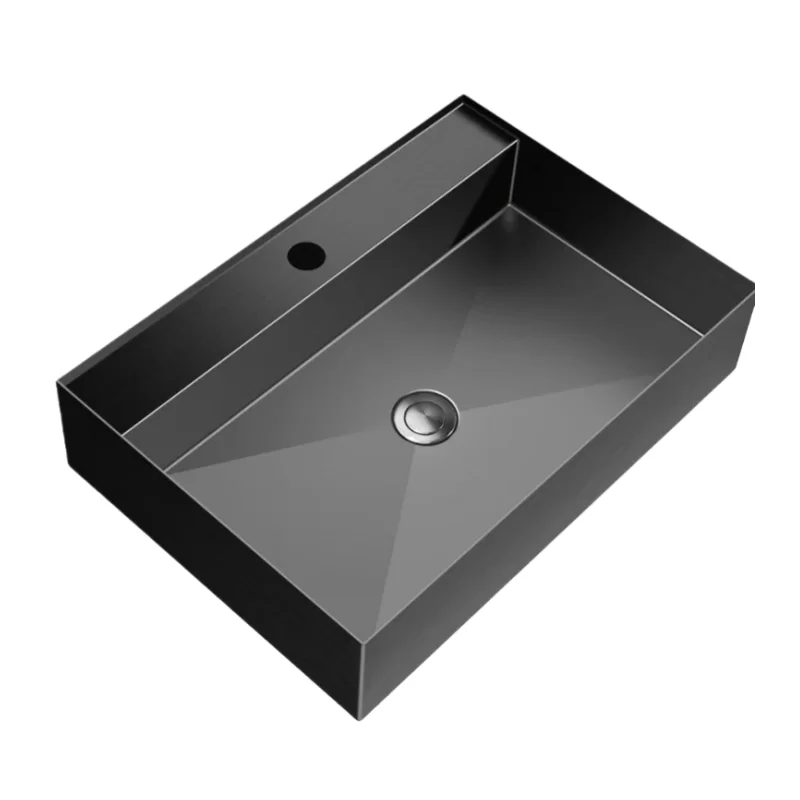
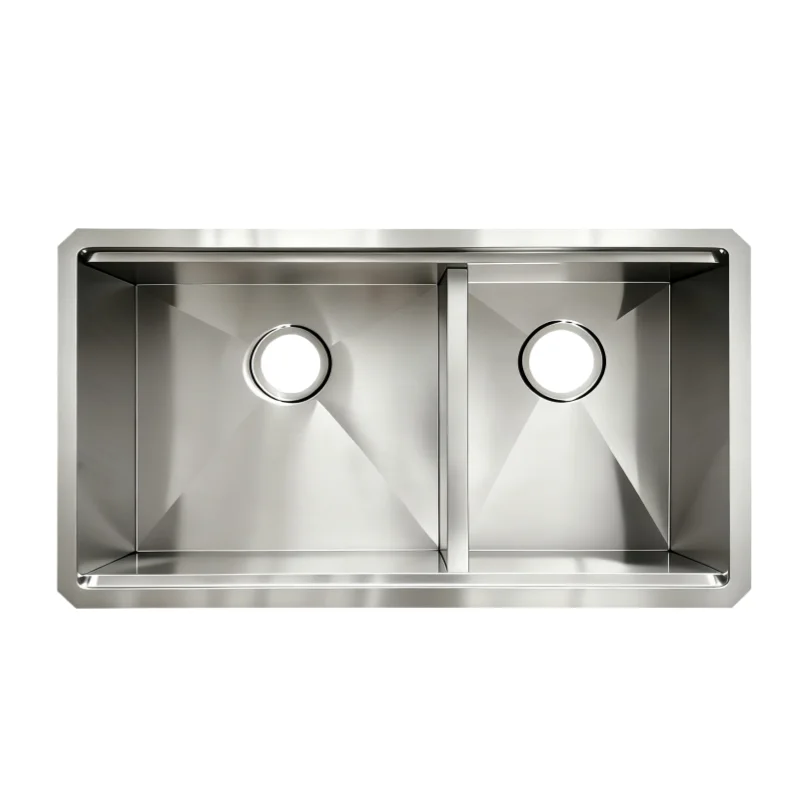
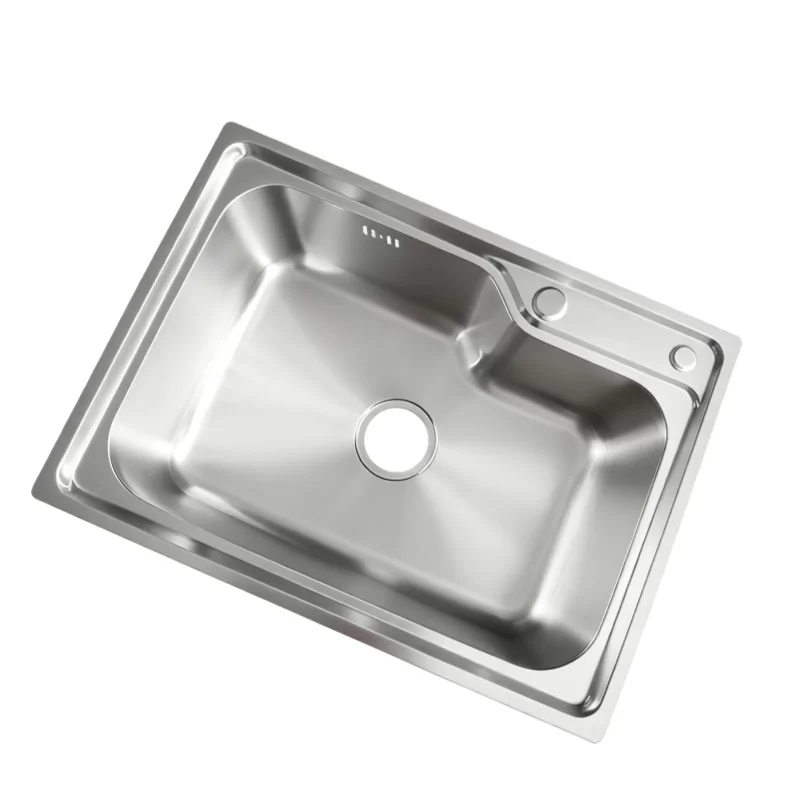
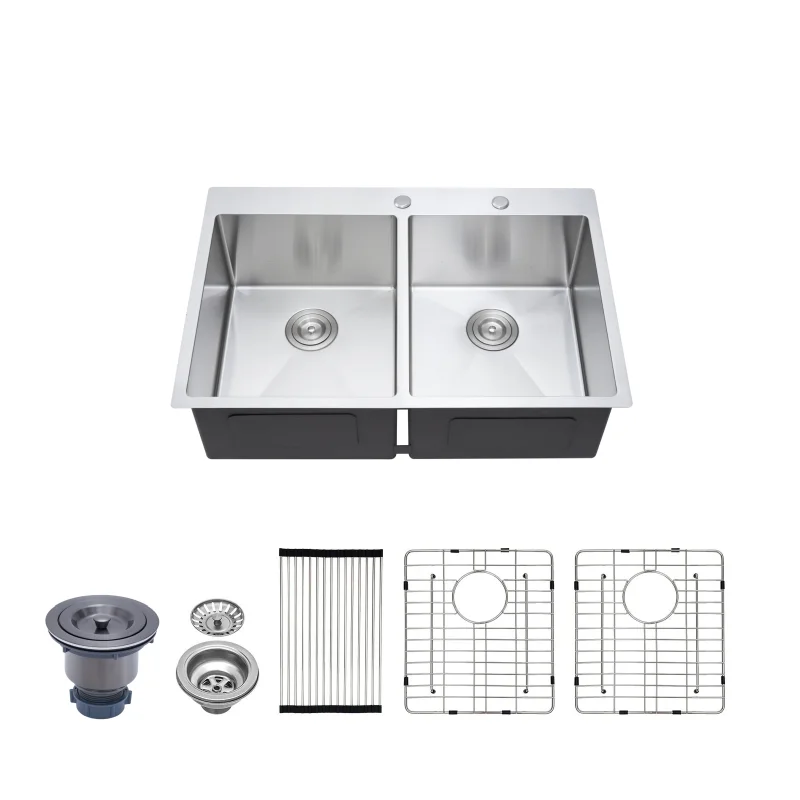
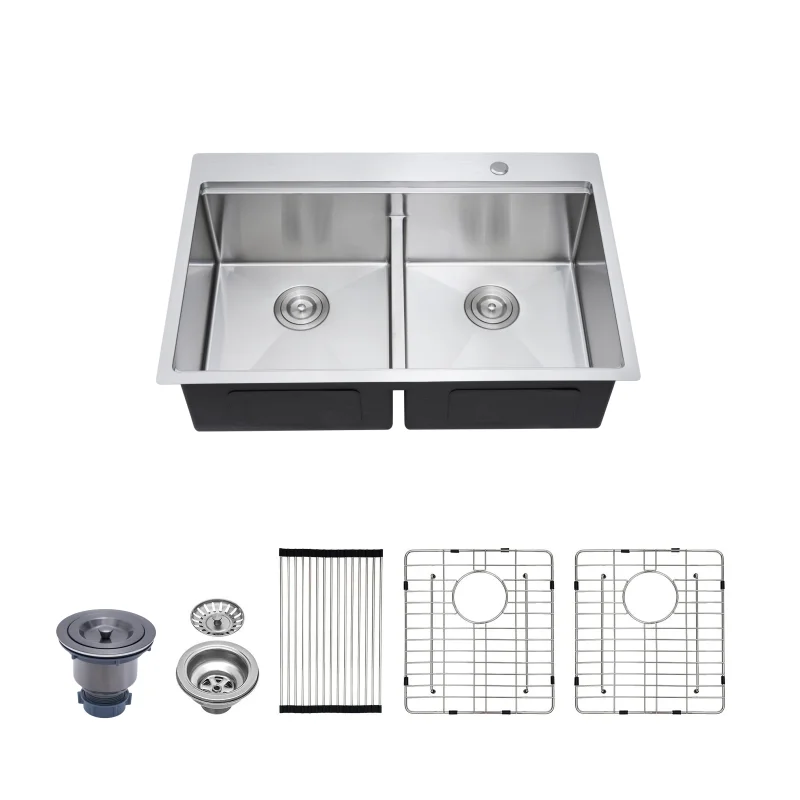
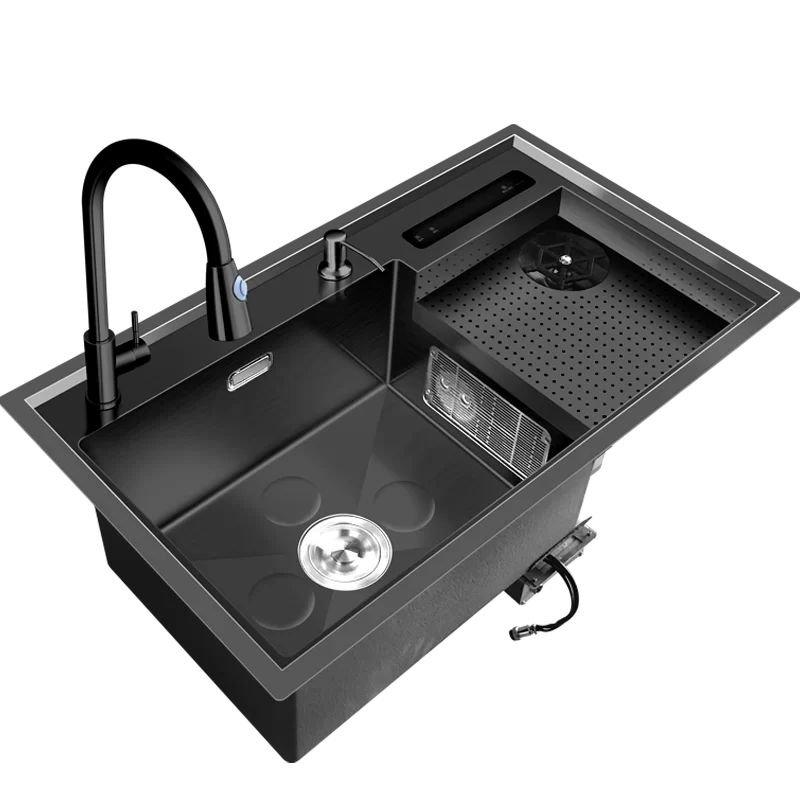
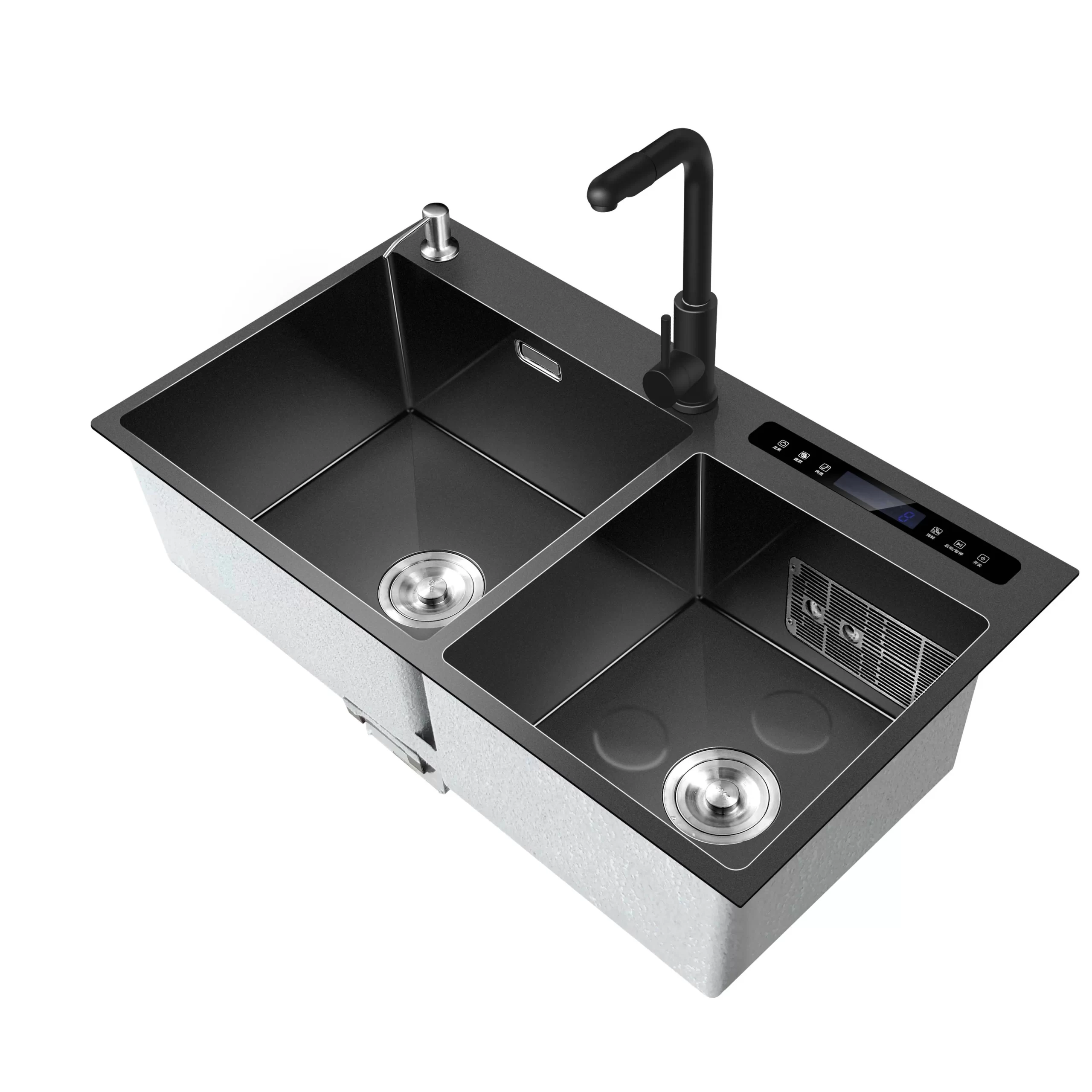
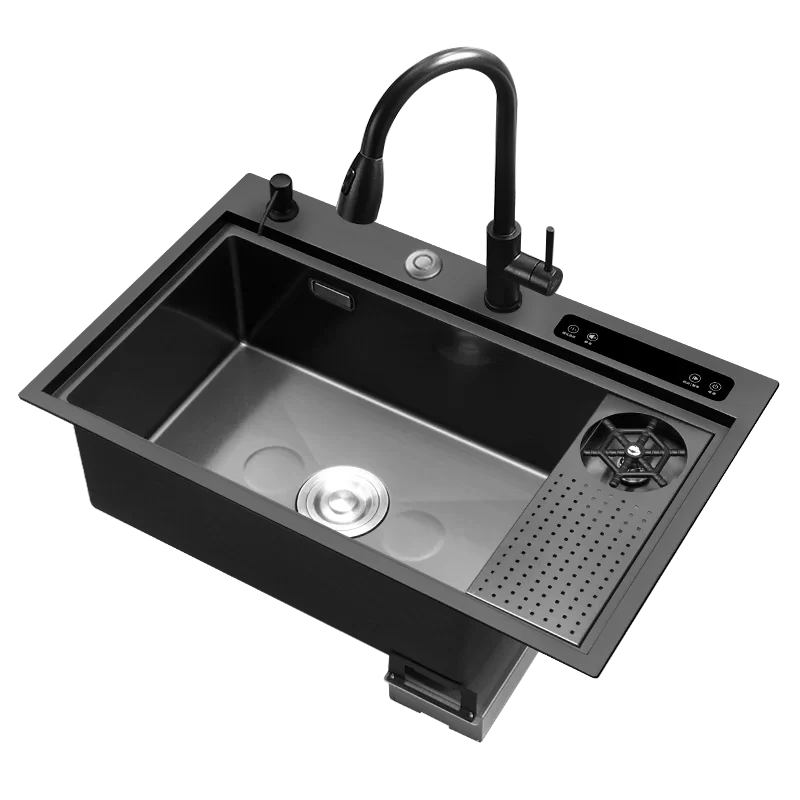
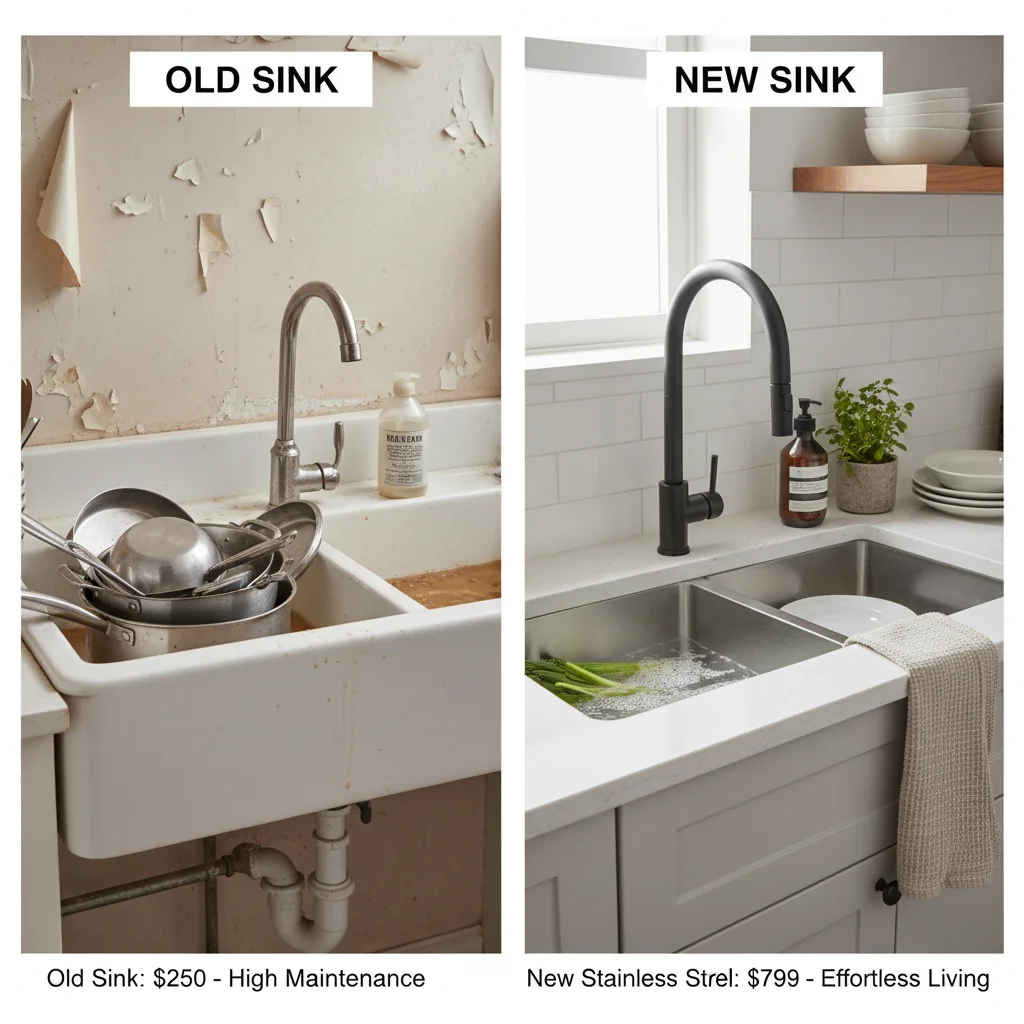
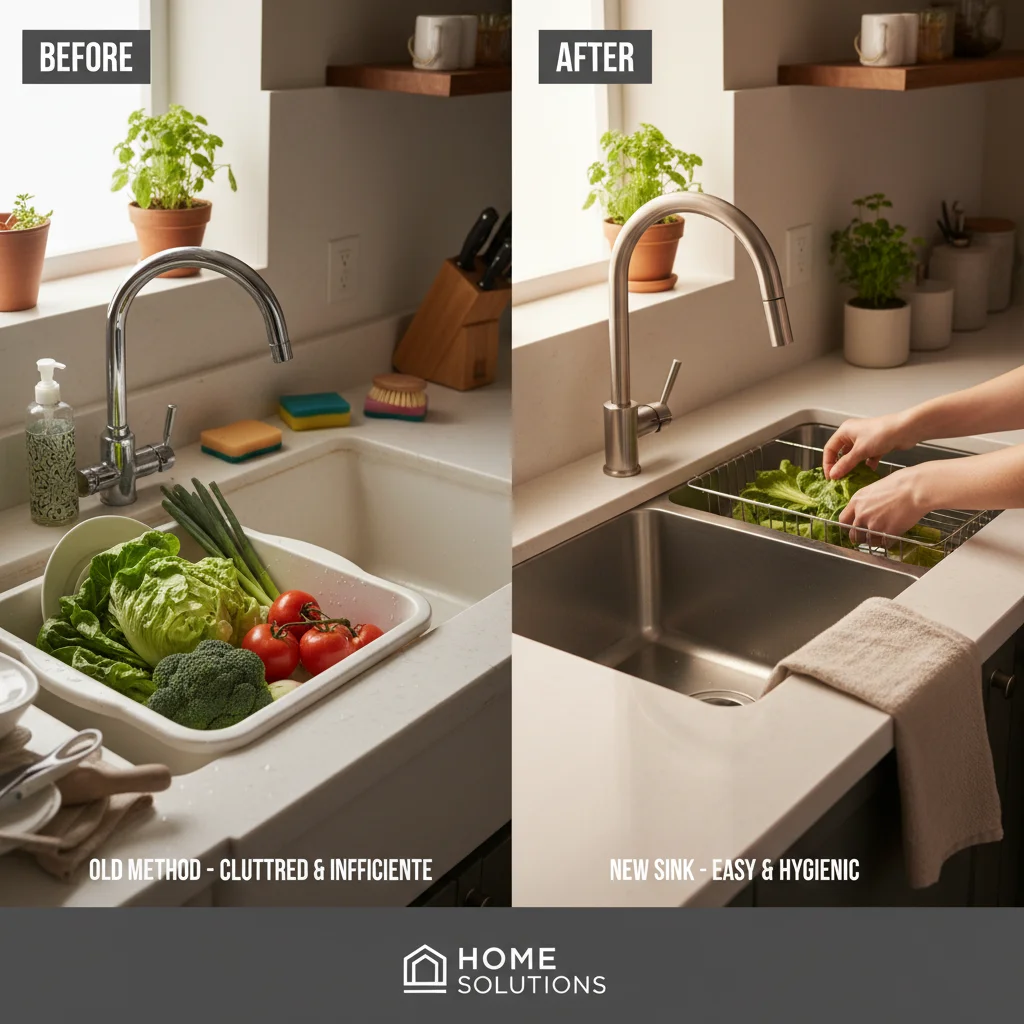
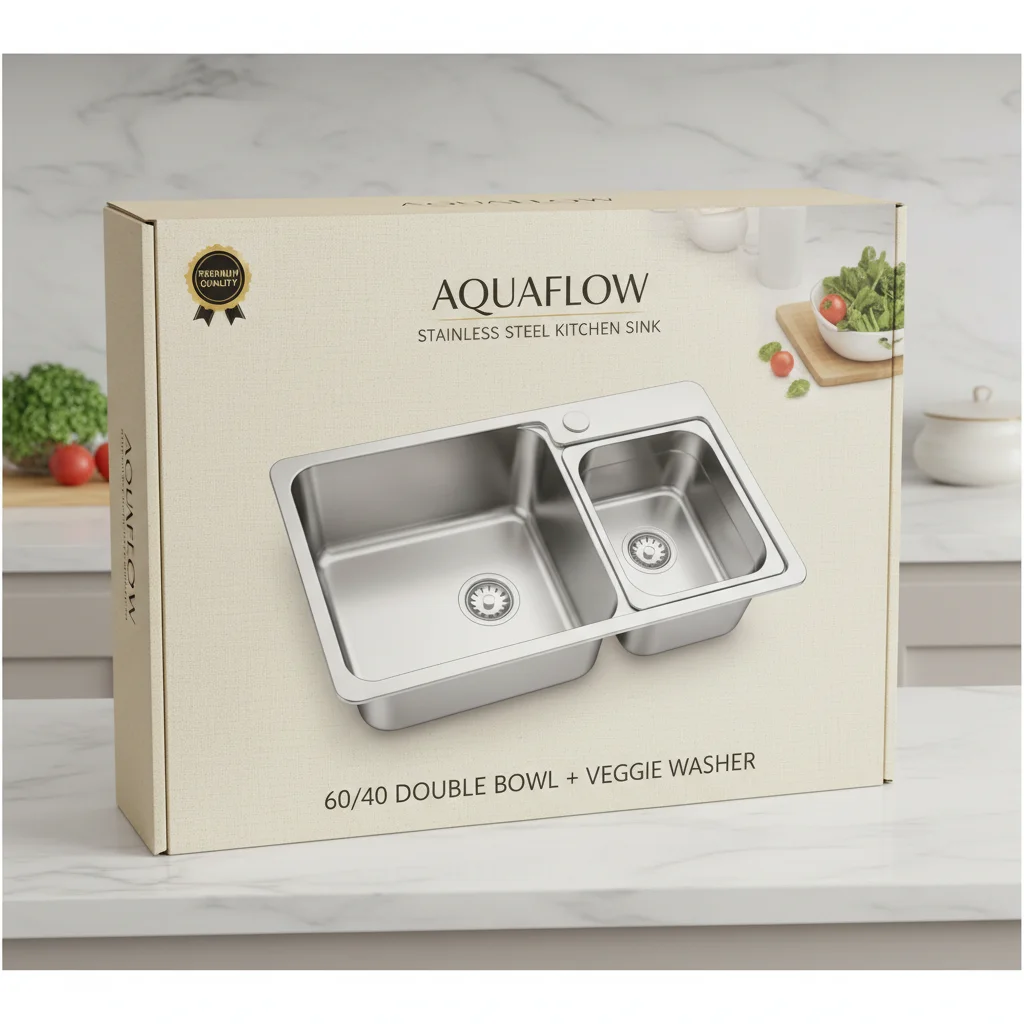
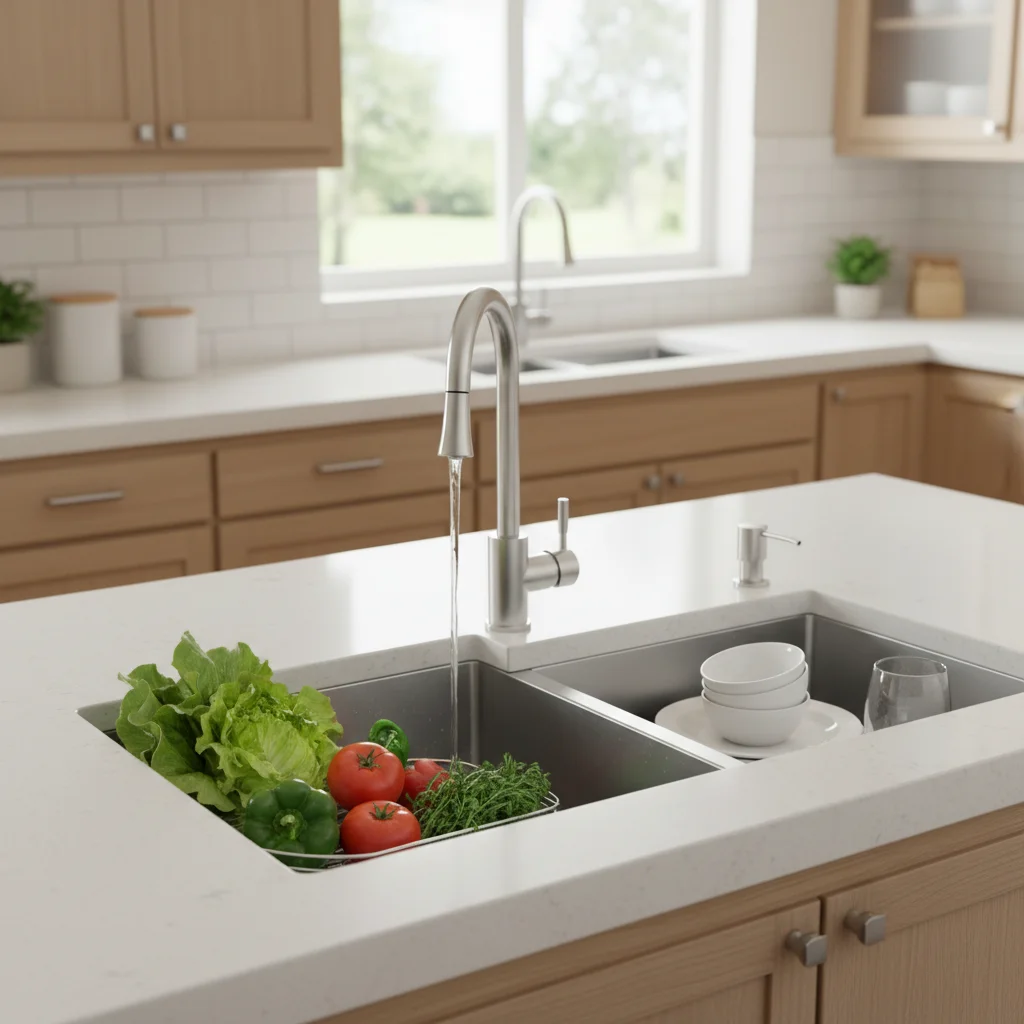
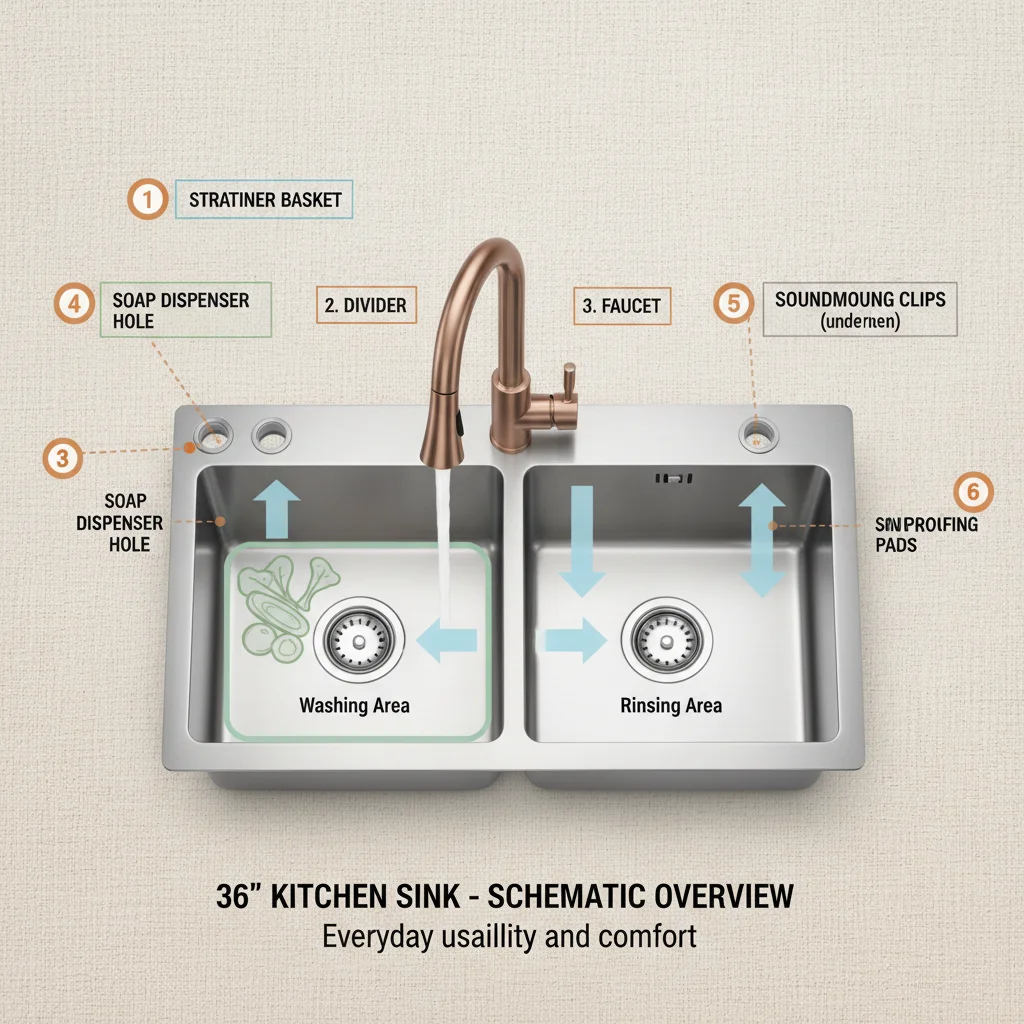
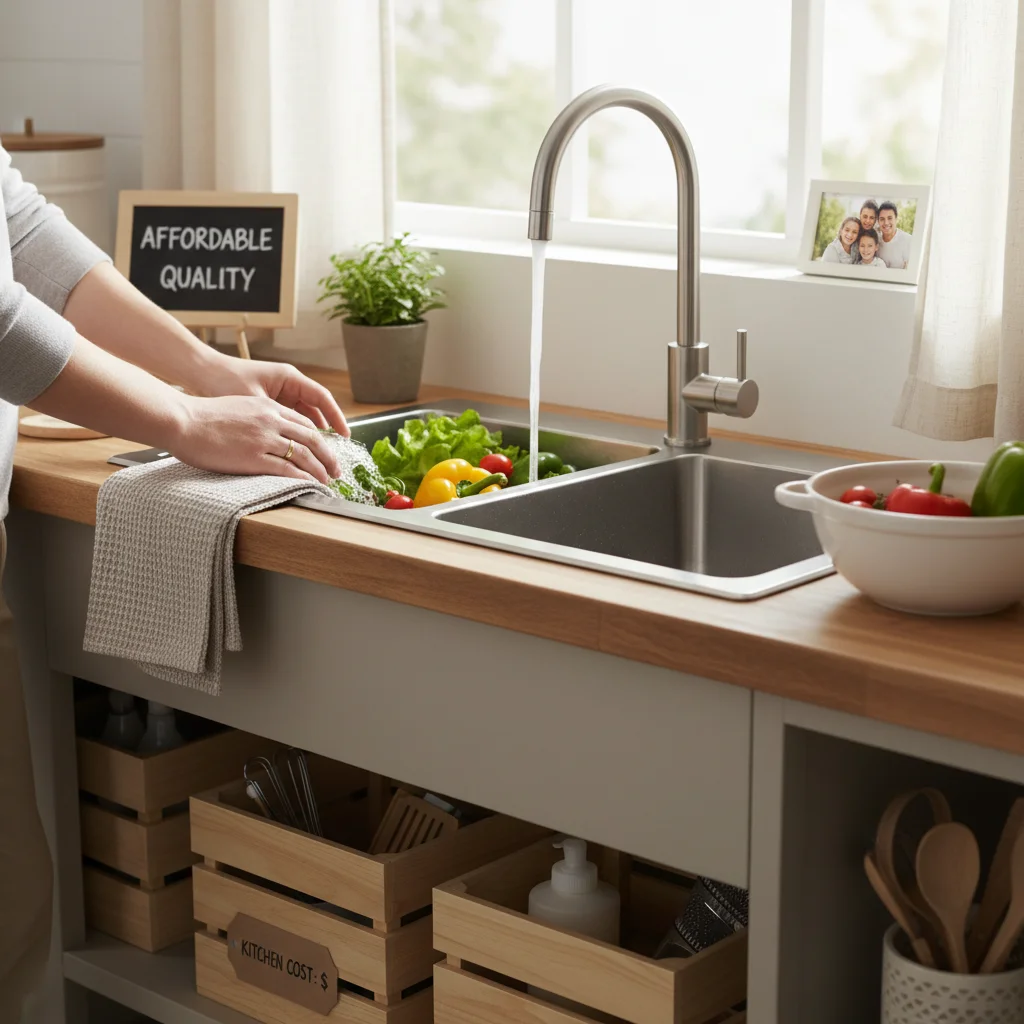
If you shop kitchens as much as I do, you'll notice one trending fixture: the double bowl stainless steel sink — versatile, durable and increasingly smart. In this piece I walk through specs, real-world applications, vendor tradeoffs, testing data, and a short case study. To be honest, I find the blend of elegant design and functional engineering here pretty compelling.
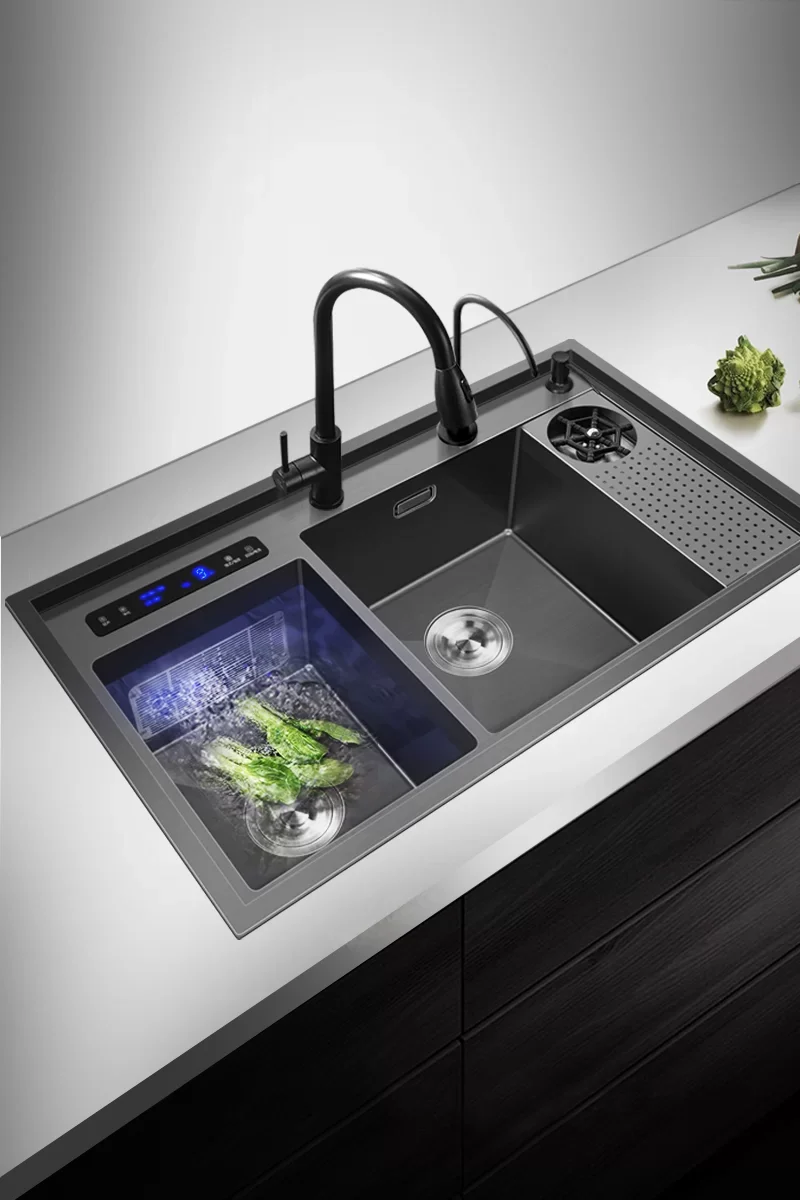
Key features & technical highlights
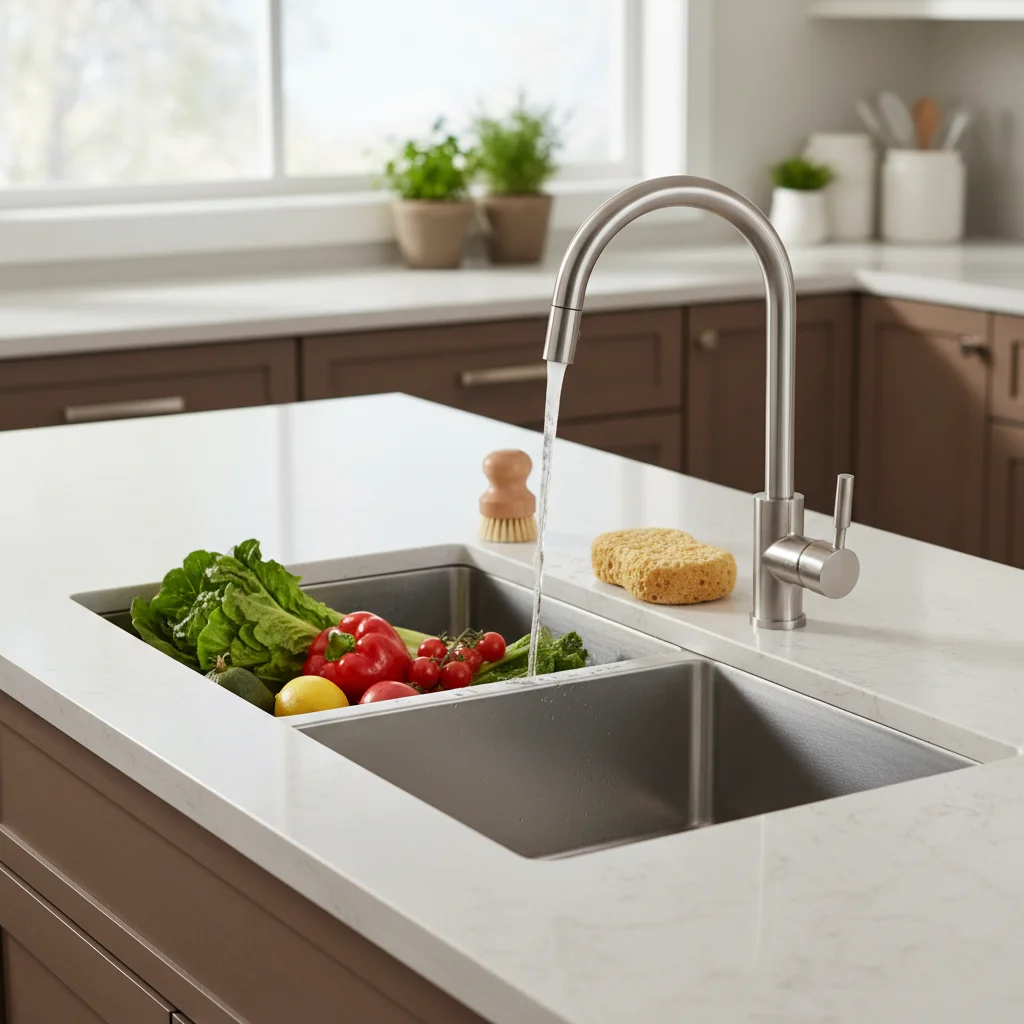
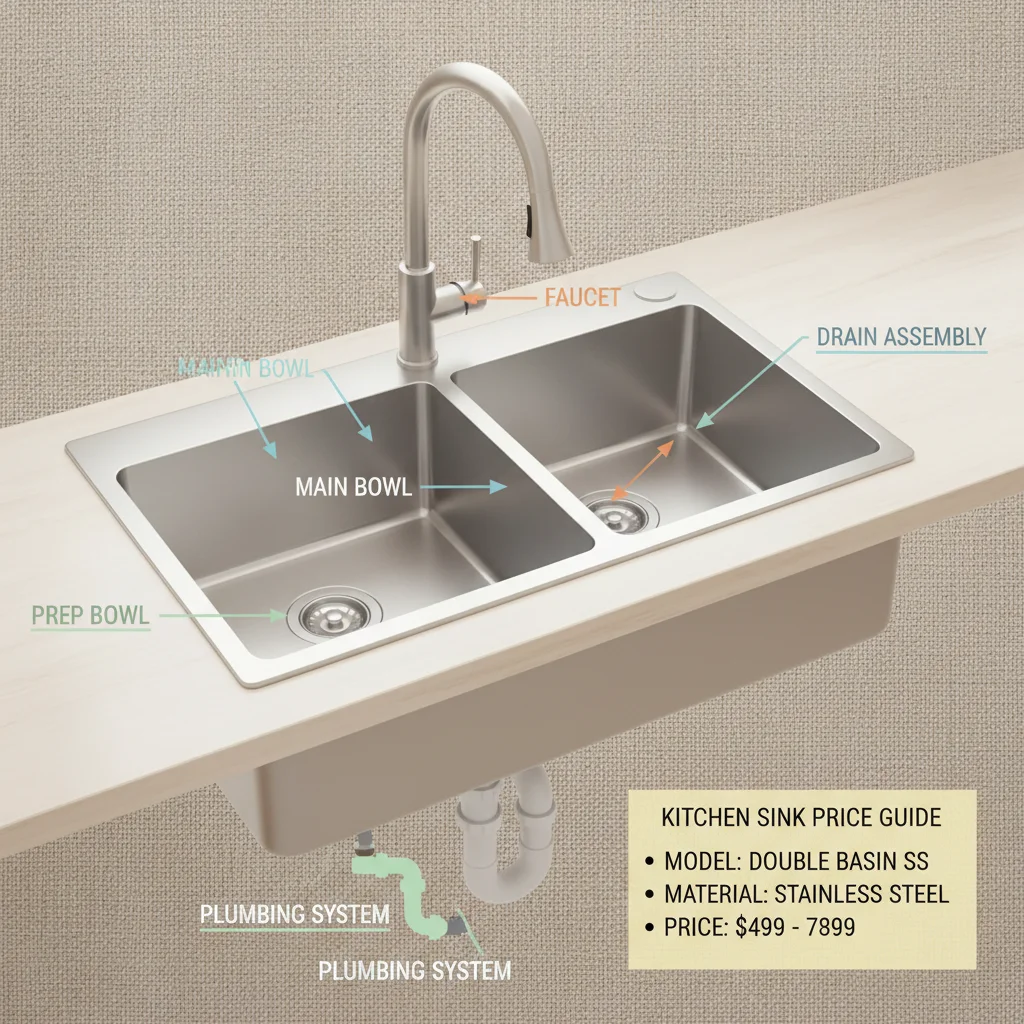
The featured Dual Bowl Stainless Steel Sink uses premium 304 (AISI 304 / 18/8) stainless steel with a brushed nano-coating finish. It includes advanced ultrasonic cleaning (Aqua Catalyst) that — surprisingly — targets trace hormones and antibiotics on produce through advanced oxidation (activated by water + light). Ultra-thin edges, stepped edge for cutting board placement, and seamless built-in installation are practical touches many customers praise.
Product specifications (typical)
Item | Spec |
Material | 304 stainless steel (brushed nano-coating) |
Bowl configuration | Dual bowls, stepped edge for accessories |
Gauge | ≈ 16–18 ga (real-world use may vary) |
Finish | Brushed nano-coating |
Typical service life | ≈ 15–30 years (depending on maintenance) |
Process flow: from raw steel to kitchen-ready
1. Material: procure AISI 304 stainless sheets (certified to ASTM A240).
2. Forming: deep drawing/press molding for bowls; CNC trimming for ultra-thin edges.
3. Surface: brushed finish + nano-coating application for hydrophobic, anti-fingerprint performance.
4. Integration: stepped edge machining for accessory fit; ultrasonic assembly checks.
5. Testing: visual inspection, dimensional tolerance, salt spray / corrosion screening (500+ hrs in lab ≈ typical target), acoustic dampening checks.
6. Certification: quality control under ISO 9001 procedures; food-contact materials validated to NSF/ANSI guidance where applicable.
Testing standards & certifications
Manufacturers commonly reference ASTM A240 for stainless steel chemistry, ISO 9001 for quality systems, and NSF/ANSI standards for food-contact materials (NSF/ANSI 51 / 61). In lab tests, comparable sinks aim for 500+ hours neutral salt spray resistance and sound reduction ratings that lower noise by several dB with pads installed (values depend on model).
Vendor comparison
Vendor | Material/Finish | Certs | Warranty |
Yashite (Dual Bowl) | 304, nano-coated | ISO 9001, NSF guidance | Typical manufacturer warranty ≈ 5–10 yrs |
Competitor A | 304, standard brushed | CE / regional only | 3–7 yrs |
Competitor B | 430 or composite | Limited | 2–5 yrs |
Application scenarios & a quick case study
Residential kitchens are the mainstay — think prep-and-wash workflows with cutting boards rested on the stepped edge. Commercially, boutique cafés and test kitchens value the ultrasonic cleaning tech for produce safety. In one retrofit I observed, a small deli reduced prep time by ~10% because staff could multitask at the two bowls while using the integrated board — simple, but it adds up over a week.
Verdict: if you want durable, low-maintenance performance and modern features, the double bowl stainless steel sink family is hard to beat. However, remember real-world outcomes depend on installation, water chemistry, and maintenance — I always tell clients to expect gradual patina and occasional water spots unless they wipe it down.
References:
1. ASTM A240 — Standard Specification for Chromium and Chromium-Nickel Stainless Steel Plate, Sheet, and Strip for Pressure Vessels and for General Applications.
2. NSF/ANSI 51 & 61 — Standards for Food Equipment Materials and Drinking Water System Components (industry guidance).
3. ISO 9001 — Quality Management Systems: Requirements (manufacturing quality standard).