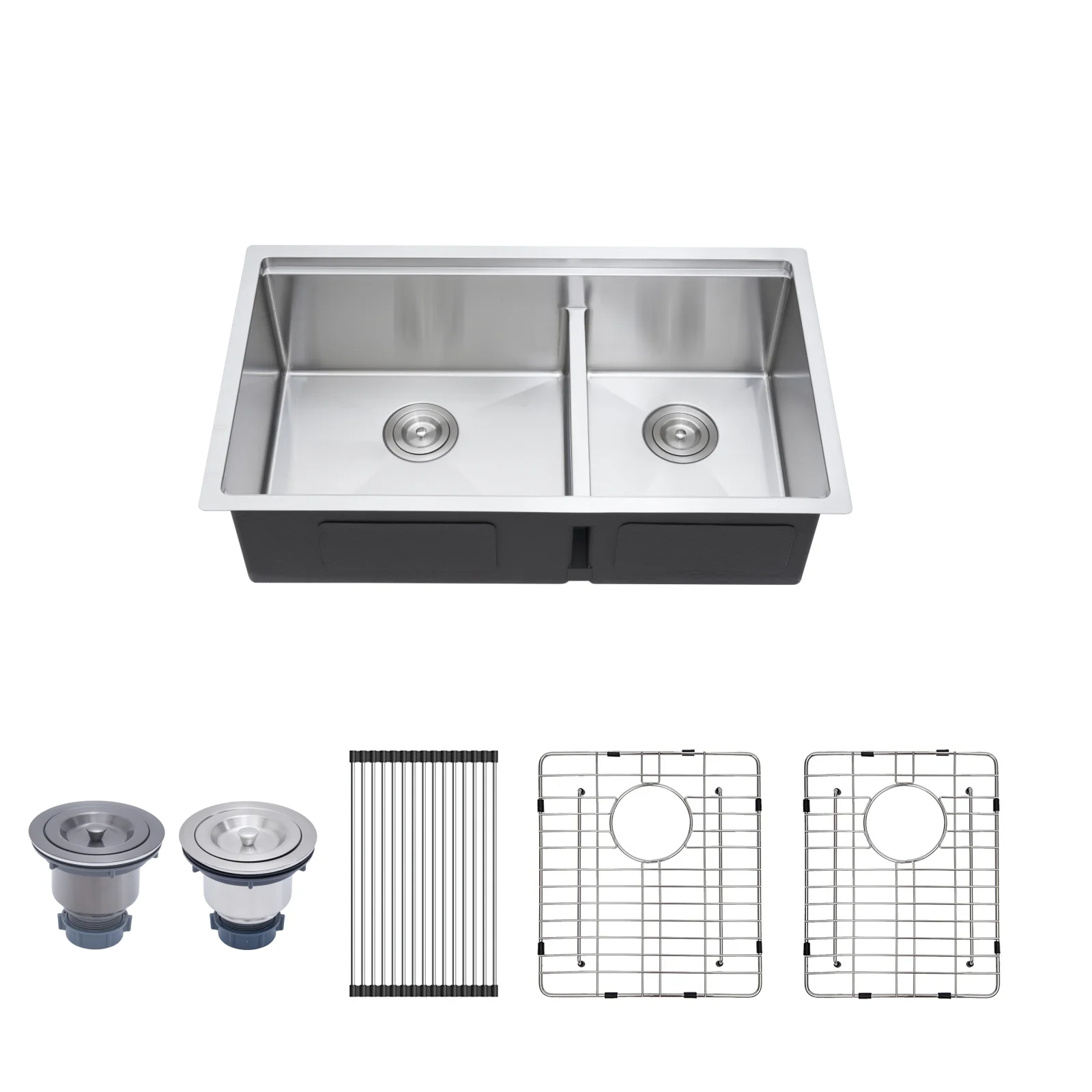
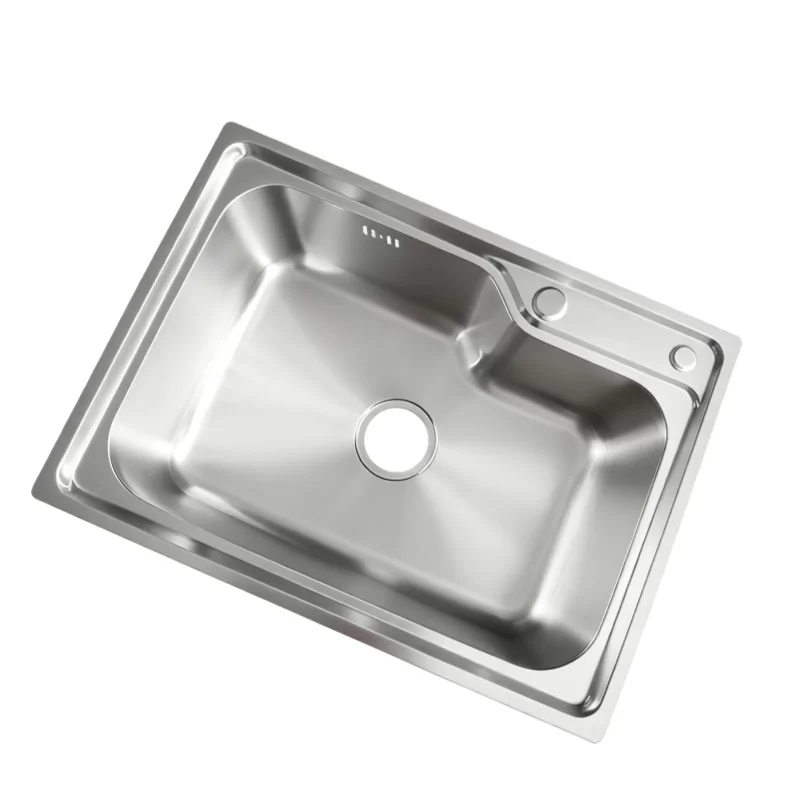
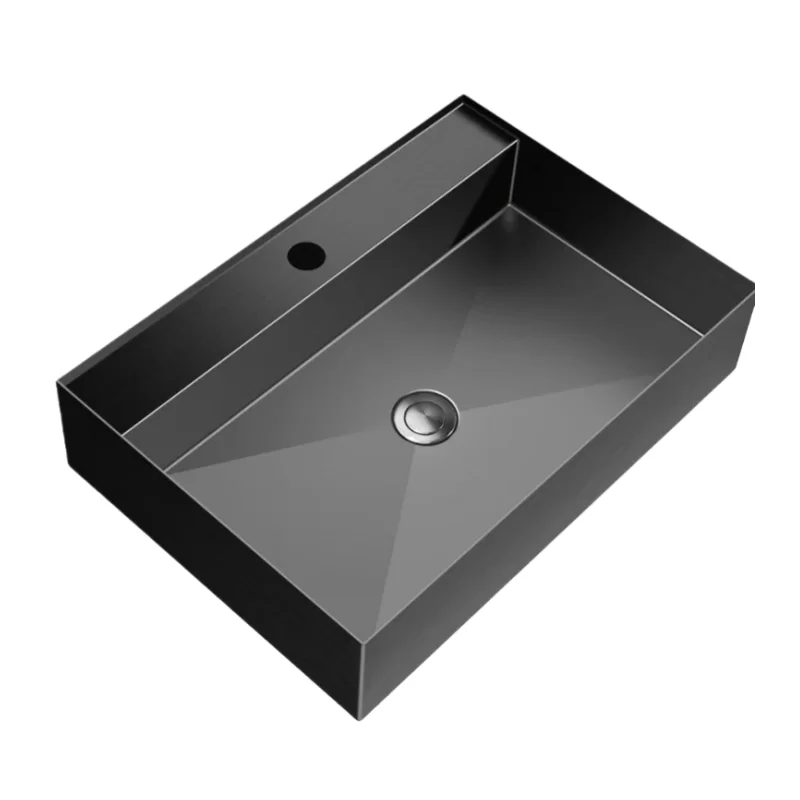
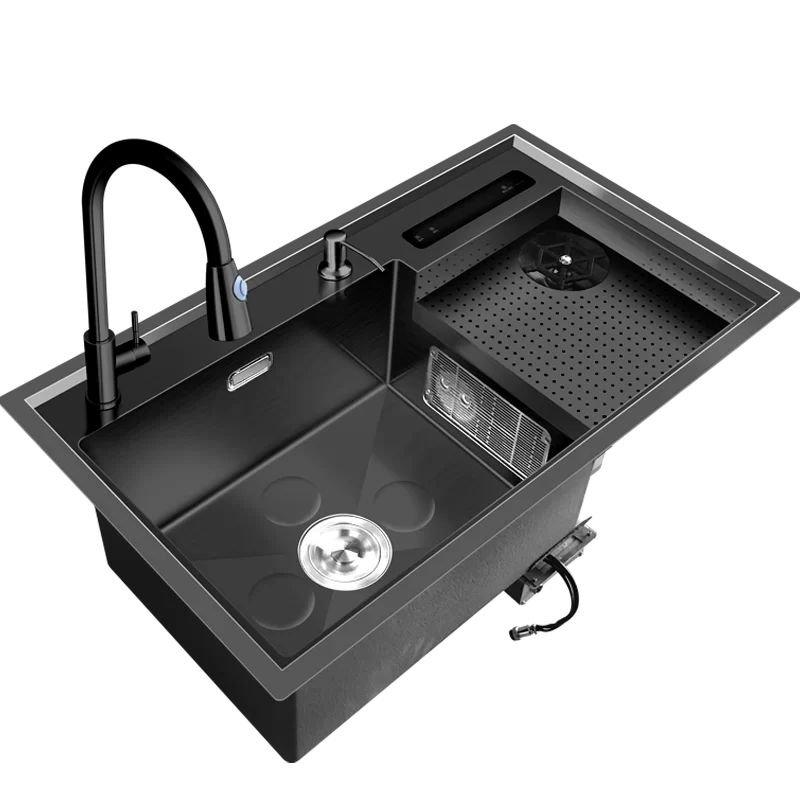
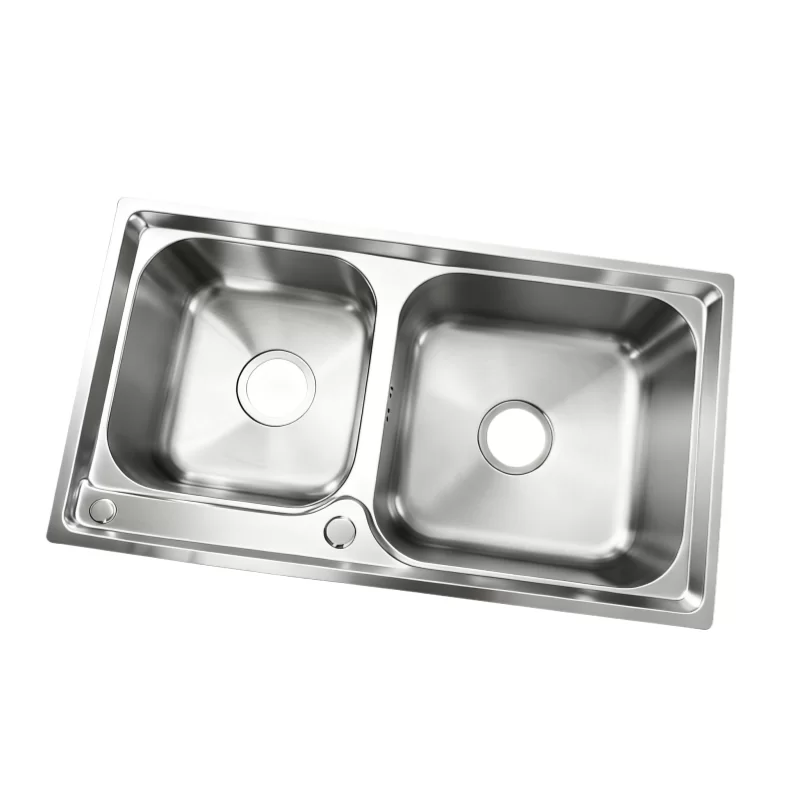
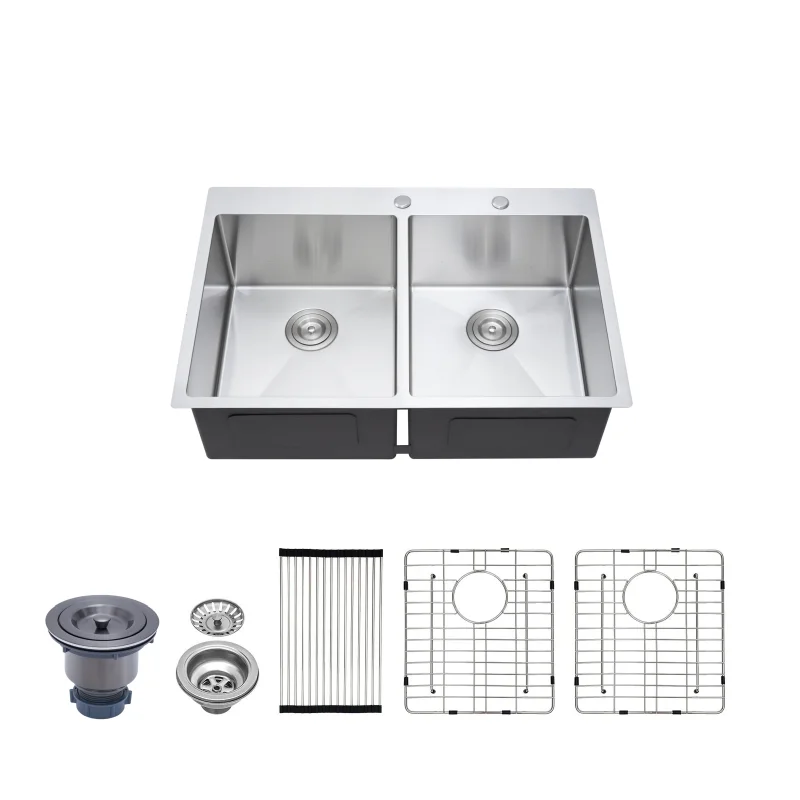
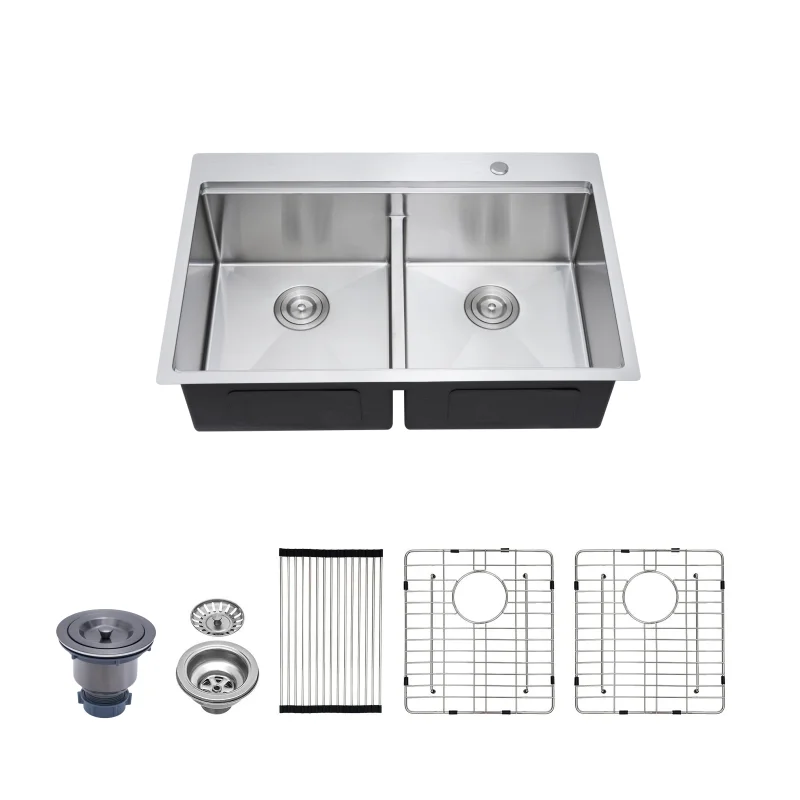
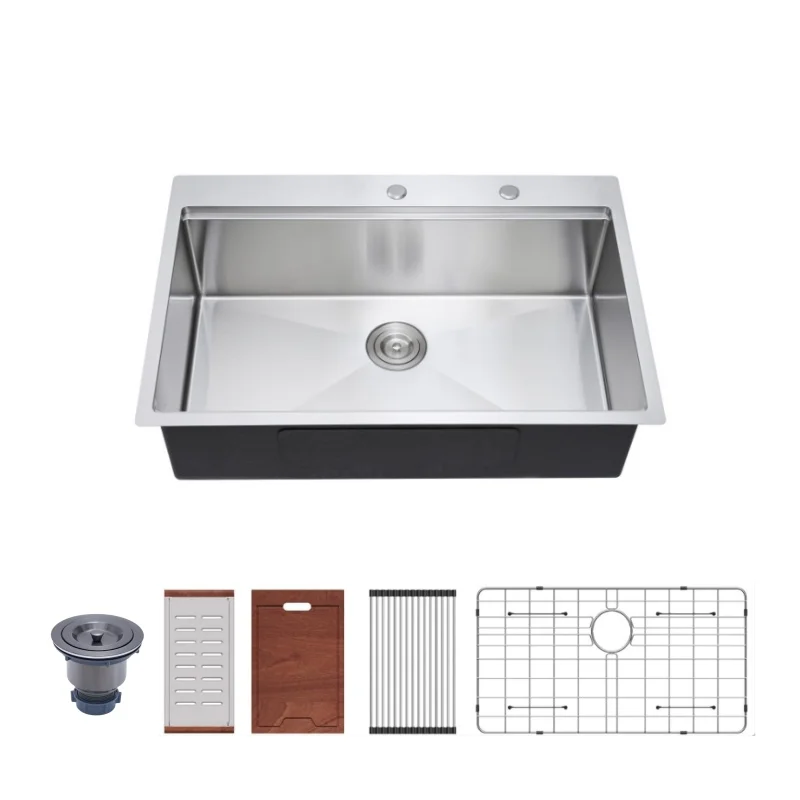
In an era dominated by mass production, the allure of a truly bespoke item resonates deeply with those who appreciate quality, durability, and a distinct narrative. The handcrafted kitchen sink stands as a testament to this philosophy, transcending its utilitarian function to become a focal point of design and a cornerstone of kitchen longevity. Unlike their machine-stamped counterparts, each handcrafted sink is a unique creation, meticulously formed by skilled artisans whose expertise is evident in every curve, weld, and finish. This artisanal approach imbues the sink with an unparalleled character, setting a kitchen apart and reflecting the homeowner's discerning taste. It's not merely about washing dishes; it's about investing in a piece of functional art that enhances the entire culinary experience. From the selection of premium materials to the precise execution of complex designs, the journey of a handcrafted sink from raw material to finished masterpiece is one defined by precision, passion, and an unwavering commitment to excellence. This introductory exploration aims to illuminate the multifaceted appeal of these magnificent fixtures, delving into what distinguishes them, why they command a premium, and how they contribute immeasurably to both the aesthetics and functionality of a modern kitchen space. We begin by understanding the foundational principles that elevate these sinks beyond the ordinary, preparing to explore their technical prowess, economic impact, and profound design versatility.
The Unrivaled Technical Advantages of Artisan Craftsmanship
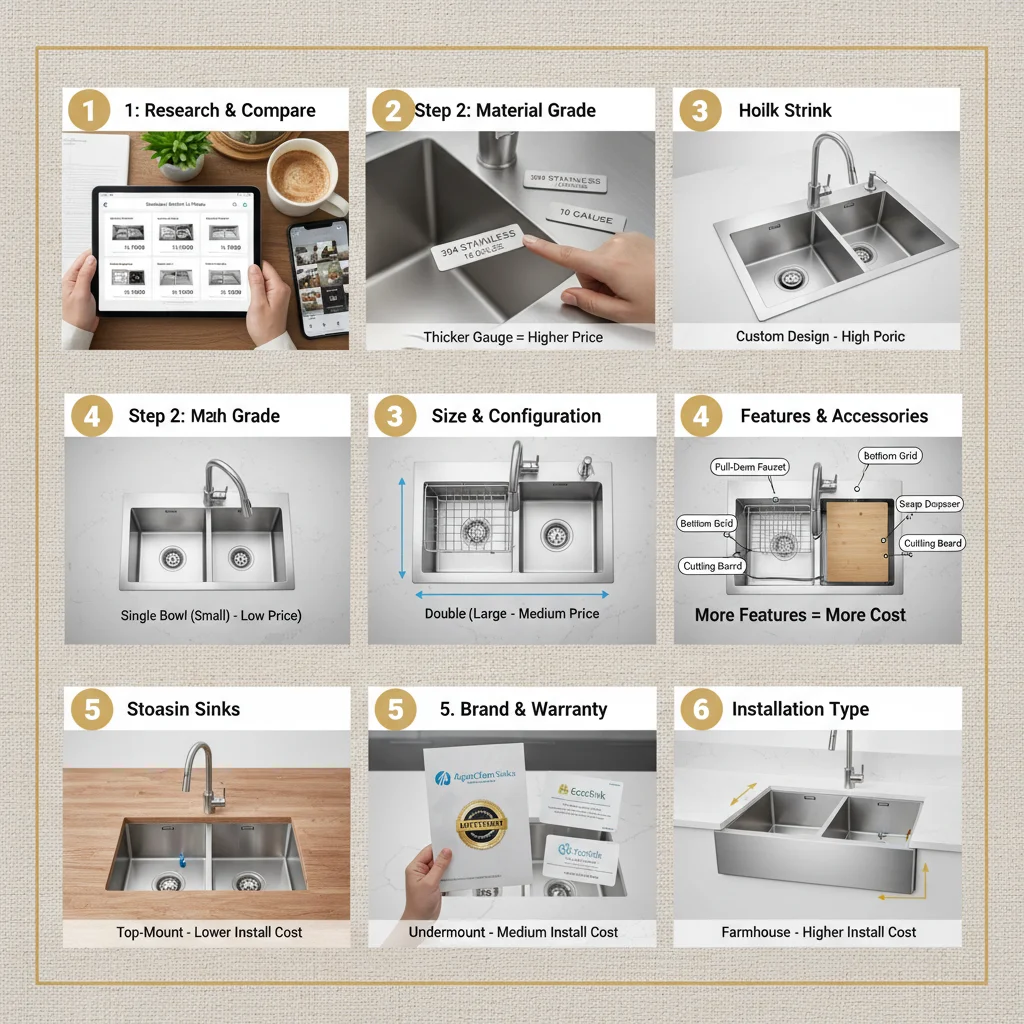
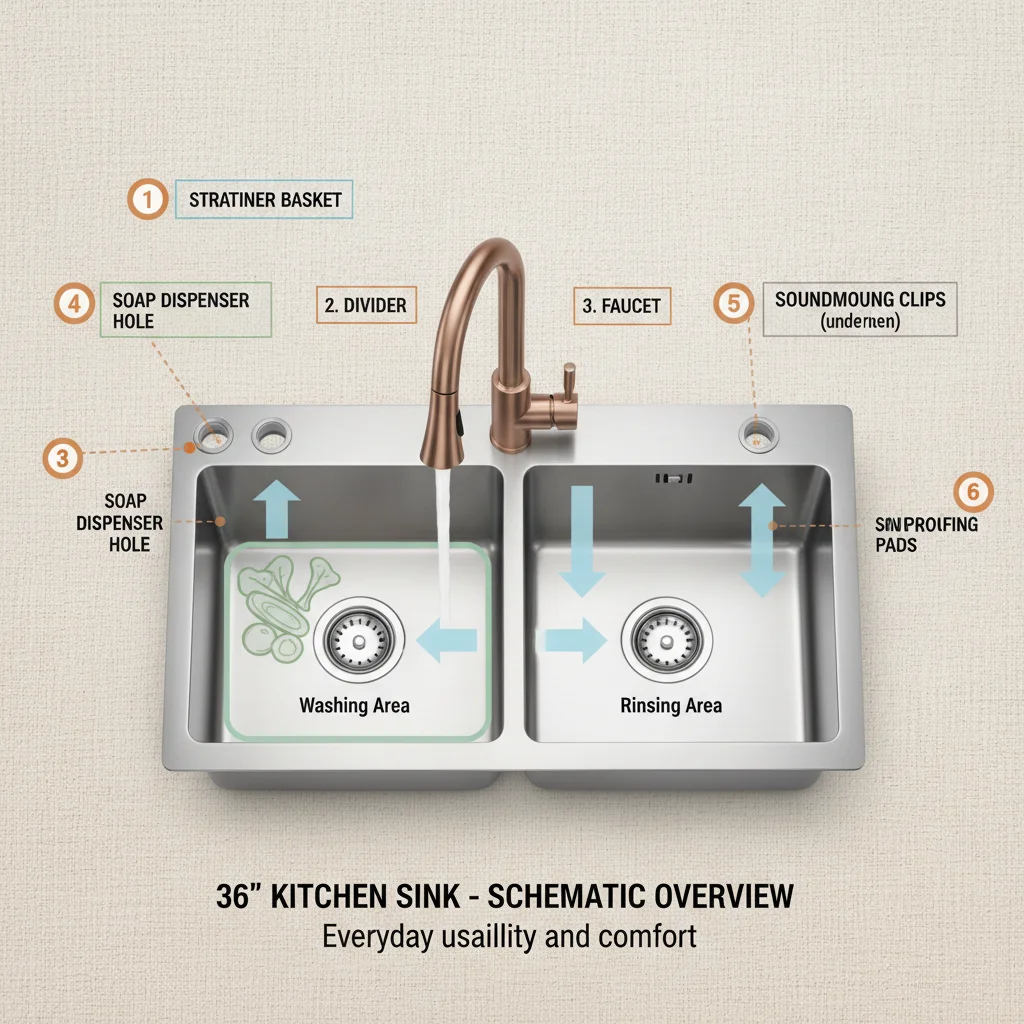
The distinction of a handcrafted sink extends far beyond its visual appeal, rooted deeply in superior technical execution and the inherent advantages of meticulous human artistry over automated processes. Consider, for instance, the material gauge: while many mass-produced sinks utilize thinner, more pliable metals (typically 20-22 gauge), premium handcrafted models frequently employ heavier 16-gauge or even 14-gauge stainless steel, copper, or brass. This substantial thickness not only contributes to exceptional durability and resistance to dents and dings but also significantly reduces noise during use, a subtle yet impactful enhancement to the kitchen environment. The fabrication process itself is a masterclass in precision. Artisans employ TIG welding (Tungsten Inert Gas) for seamless bowl integration, a method renowned for producing stronger, cleaner welds than spot welding or other automated techniques. These flawless seams eliminate potential weak points and crevices where grime and bacteria can accumulate, promoting a more hygienic surface. Furthermore, the hand-finishing process, whether it’s a brushed satin, hammered, or polished effect, is applied with a level of detail that machines struggle to replicate consistently. This ensures a uniform finish that not only looks exquisite but also aids in stain resistance and ease of cleaning. Integral features such as precisely sloped bottoms for efficient drainage, thoughtfully designed corner radii for maximum basin volume and ease of maintenance, and advanced sound-deadening pads are often standard in handcrafted units, reflecting a design philosophy centered on optimal user experience. These aren't merely additions; they are carefully integrated elements that speak to a profound understanding of kitchen ergonomics and practical longevity, setting a new benchmark for performance and resilience.
Beyond Aesthetics: The Data-Driven Impact on Kitchen Value
While the visual appeal of a finely crafted sink is undeniable, its impact extends into tangible, data-backed advantages, particularly concerning home value and long-term investment. Industry analysis indicates that kitchens and bathrooms are primary drivers of home resale value, with high-quality fixtures acting as significant differentiators. A recent report by the National Association of Home Builders (NAHB) suggested that upscale kitchen amenities can increase a home's value by an average of 5-10%. Within this context, a handcrafted sink isn't just an amenity; it’s a statement of quality and a signal of comprehensive home maintenance and aesthetic integrity. Anecdotal evidence from real estate agents frequently points to premium kitchen features as decisive factors for potential buyers, often tipping the scales in competitive markets. Furthermore, the longevity of a handcrafted sink provides a compelling return on investment. While a conventional sink might have an effective lifespan of 10-15 years before showing significant wear, a well-maintained handcrafted model, particularly those made from high-gauge stainless steel or solid copper, can easily exceed 20-30 years, often outliving the kitchen around it. This durability translates into reduced replacement costs and sustained aesthetic appeal over decades. Beyond monetary value, there's the 'user satisfaction' metric, often overlooked but crucial. Studies on kitchen ergonomics and user experience consistently show that well-designed, durable, and aesthetically pleasing fixtures contribute significantly to overall homeowner satisfaction, fostering a greater sense of pride and enjoyment in the living space. This profound sense of quality and permanence subtly yet effectively communicates value, both perceived and actual, making the initial investment a shrewd decision for any homeowner looking to enhance their property's market standing and their daily living experience.
Crafting Your Vision: Bespoke Customization Options for Your Dream Kitchen
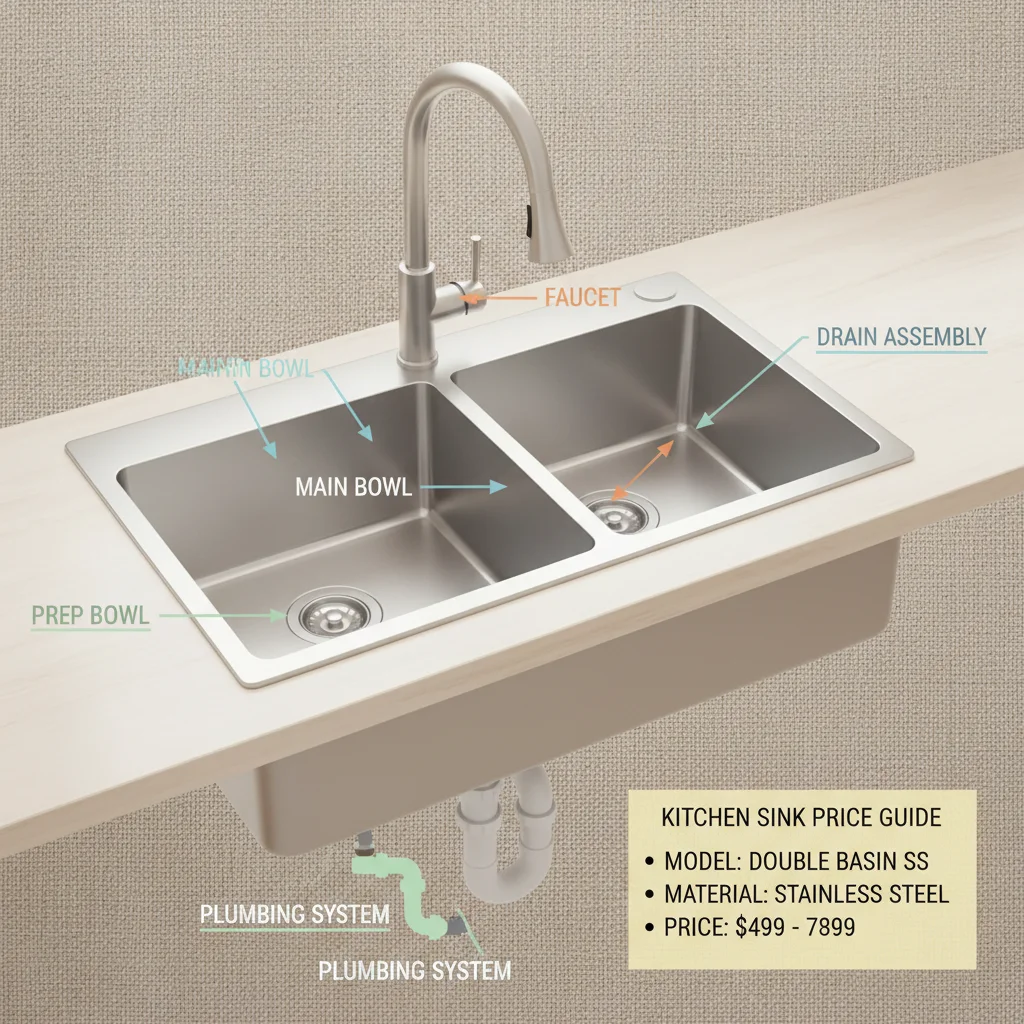
One of the most compelling advantages of opting for a handcrafted sink lies in the unparalleled freedom of customization it affords. Unlike standard off-the-shelf models, a bespoke approach allows homeowners and designers to tailor every aspect of the sink to precise specifications, ensuring a perfect integration with the kitchen's aesthetic and functional demands. This level of personalization extends across a multitude of features, transforming a mere utility into a cohesive element of the overall design narrative. Material selection is paramount: beyond the ubiquitous stainless steel (available in various finishes like brushed, satin, or polished), options expand to include solid copper with its living patina, durable fireclay, elegant natural stone (marble, granite, soapstone), or even exotic metals like bronze and zinc. Each material offers distinct visual and tactile qualities, allowing for unique expression. Furthermore, bowl configurations can be custom-designed—from spacious single bowls ideal for large pots and pans, to versatile double bowls with equal or unequal divisions, and innovative low-divide options that offer the best of both worlds. Drain placement can be central, rear, or offset to optimize under-sink cabinet space. The apron front, a signature feature of farmhouse sinks, can be customized in terms of height, profile (straight, curved, fluted), and even integrated with decorative elements. Additional personalized touches include integrated ledges for cutting boards, drying racks, or colanders; specialized faucet hole drilling; and even custom sound-dampening solutions. These meticulous details, decided during the design phase, ensure that the final product is not just a sink, but a perfectly engineered and aesthetically harmonious component of your dream kitchen, reflecting personal style and maximizing daily utility with unmatched precision.
Transformative Applications: Real-World Case Studies Illustrating Design Versatility
The adaptability of handcrafted sinks makes them suitable for an extraordinary range of kitchen styles and functional requirements, truly transforming ordinary spaces into extraordinary culinary havens. Let's explore a few illustrative case studies:
· The Modern Minimalist Kitchen: In a sleek, contemporary space characterized by clean lines, monochromatic palettes, and integrated appliances, a custom 16-gauge stainless steel single-bowl sink with sharp 90-degree corners and a precisely brushed finish becomes the epitome of understated luxury. Its seamless integration with a quartz countertop, aided by an undermount installation, reinforces the minimalist aesthetic, while its generous proportions accommodate professional-grade cookware. The handcrafted quality ensures that even in its simplicity, the sink commands attention through its flawless finish and robust construction, resisting the wear and tear that might compromise a lesser fixture. The absence of distracting visual elements allows the inherent quality of the material and craftsmanship to shine, aligning perfectly with the 'less is more' philosophy.
· The Rustic Farmhouse Kitchen: For a kitchen steeped in country charm, featuring reclaimed wood beams, shaker cabinetry, and an oversized island, a fireclay or hammered copper apron-front sink is an undeniable centerpiece. Imagine a large, single-basin fireclay sink with a fluted front, evoking a sense of heritage and robust utility. Alternatively, a hand-hammered copper sink with its rich, evolving patina introduces warmth and character, acting as a living art piece that ages gracefully with the home. The handcrafted nature ensures that the material’s inherent qualities – the slight variations in the fireclay glaze or the unique indentations of the hammered copper – are celebrated, adding authenticity and a tactile dimension that mass-produced alternatives simply cannot replicate. These sinks become historical anchors, grounding the modern conveniences in a tradition of quality and enduring style.
· The Industrial Chic Loft: In an urban loft setting with exposed brick, metal accents, and concrete floors, a raw yet refined aesthetic calls for a sink that can hold its own. A custom zinc or brushed stainless steel sink with an integrated draining board and exposed welds could be the perfect fit. The robust, almost utilitarian appearance, combined with the superior construction of a handcrafted piece, resonates with the industrial theme. The precise fabrication ensures that despite its rugged appeal, it remains a highly functional and hygienic workstation. The metal's natural properties and the hand-applied finish blend seamlessly with other industrial materials, creating a cohesive and visually striking environment that is both functional and artful.
· The Traditional European-Inspired Kitchen: Characterized by ornate details, rich wood, and perhaps marble countertops, this style demands fixtures of classical elegance. A custom-carved natural stone sink, perhaps from Carrara marble or soapstone, or a highly polished, heavy-gauge stainless steel sink with subtly rounded corners, would complement such an environment beautifully. The ability to customize the sink's dimensions and profile allows it to blend harmoniously with intricate cabinetry and architectural elements. The handcrafted nature guarantees a level of finish and detail that echoes the luxurious craftsmanship prevalent throughout European design traditions, ensuring the sink is not merely functional but a contributing element to the kitchen's timeless grandeur.
These examples underscore that a handcrafted sink isn't a mere addition but an integral design element capable of dictating or enhancing the overall ambiance and functionality of any kitchen, proving its worth across a spectrum of design philosophies.
Investing in Lasting Beauty: The Enduring Value Proposition of a Handcrafted Kitchen Sink
Ultimately, the decision to choose a handcrafted kitchen sink is an investment—not just in a fixture, but in the enduring beauty, functionality, and intrinsic value of your home. It represents a deliberate choice to prioritize superior craftsmanship over mass-produced convenience, an embrace of longevity and bespoke elegance over fleeting trends. From the moment it is installed, a handcrafted sink begins its journey as a focal point, a conversation starter, and a reliable workhorse in the heart of the home. Its technical superiority, manifested in robust materials, flawless construction, and thoughtful design, translates into decades of trouble-free performance, outlasting and outperforming conventional alternatives. The data supports its positive impact on property value, serving as a tangible asset that appeals to discerning buyers. Moreover, the unparalleled customization options ensure a perfect synergy with your unique aesthetic vision, transforming a generic space into a highly personalized sanctuary. Beyond the tangible benefits, there is an intangible value: the satisfaction of owning a truly unique, artisan-made piece that tells a story of skill, dedication, and meticulous attention to detail. This isn't merely a purchase; it's an heirloom in the making, a testament to quality that will serve generations. In an increasingly disposable world, investing in a handcrafted kitchen sink is a powerful statement about valuing permanence, quality, and the art of functional design. It's a commitment to a kitchen that is not only beautiful today but remains a source of pride and utility for years to come, a true cornerstone of domestic life.
Frequently Asked Questions about Handcrafted Kitchen Sinks
Q1: What exactly defines a "handcrafted" kitchen sink compared to a regular one?
A1: A handcrafted kitchen sink is meticulously formed and finished by skilled artisans, often involving hand-welding, shaping, and polishing processes. Unlike mass-produced sinks that are typically stamped from a single sheet of metal by machines, handcrafted sinks often use heavier gauge materials, custom designs, and precise fabrication techniques like TIG welding for stronger, seamless construction. This results in superior durability, unique aesthetics, and higher customization potential.
Q2: Are handcrafted kitchen sinks more durable than standard sinks?
A2: Yes, generally. Handcrafted sinks often utilize thicker materials (e.g., 16-gauge or 14-gauge stainless steel versus 20-22 gauge for standard sinks), which provides greater resistance to dents, scratches, and everyday wear. The superior welding techniques and overall build quality contribute significantly to their extended lifespan and robust performance.
Q3: What materials are commonly used for handcrafted kitchen sinks?
A3: Popular materials include heavy-gauge stainless steel (known for its durability and hygiene), solid copper (prized for its antimicrobial properties and "living" patina), fireclay (for classic farmhouse styles), and sometimes natural stone, bronze, or zinc for specialized designs. Each material offers distinct aesthetic and functional characteristics.
Q4: Can I customize the size and features of a handcrafted kitchen sink?
A4: Absolutely. Customization is one of the primary benefits. You can often specify precise dimensions, bowl configurations (single, double, low-divide), drain placement, apron front designs, integrated ledges for accessories, and even specific finishes or textures. This allows the sink to perfectly match your kitchen's unique layout and aesthetic.
Q5: How do I maintain a handcrafted kitchen sink?
A5: Maintenance varies by material. Stainless steel sinks typically require regular cleaning with mild soap and water, avoiding abrasive cleaners. Copper sinks benefit from gentle cleaning to preserve or encourage their natural patina. Fireclay sinks are very durable but should avoid sudden impacts. Always refer to the manufacturer's specific care instructions for your chosen material to ensure longevity and preserve its finish.
Q6: Are handcrafted kitchen sinks worth the higher cost?
A6: For many homeowners, the investment is justified by several factors: superior durability and longevity (reducing replacement costs), enhanced aesthetic appeal and customization options (contributing to higher home value), better functionality (e.g., quieter operation, better drainage), and the satisfaction of owning a unique, artisan-made product. They are considered a long-term investment in your home's quality and design.
Q7: What should I consider before purchasing a handcrafted kitchen sink?
A7: Key considerations include: your budget, the desired material and its unique properties (e.g., patina of copper, durability of stainless steel), the specific dimensions and configuration needed for your kitchen space, the level of customization required, installation requirements (especially for heavy materials like fireclay or stone), and the manufacturer's reputation and warranty. Consulting with a kitchen designer or the sink manufacturer directly can also provide valuable insights.